
Multiple outlets describe the World Cup as a snapshot of emerging directions in elite soccer, focusing on tactical and role-based changes. They point to increasing emphasis on “super-subs,” where teams rely on impactful substitutions to change games after earlier phases of play. Both sources also highlight counter-pressing as a prominent feature of modern elite performance, with teams quickly attempting to regain the ball after losing possession. Another theme is the evolving responsibilities of goalkeepers, often described as “quarterback” keepers, who contribute to build-up play through positioning and distribution rather than only shot-stopping. Overall, the coverage frames these developments as part of a broader shift toward faster transitions, more flexible in-game tactical adjustments, and greater involvement of players—particularly goalkeepers—in how teams initiate attacks. The articles do not provide a single match-by-match analysis, but they converge on these recurring patterns observed at the tournament and how they reflect where high-level soccer may be headed.
World Cup Highlights Trends Shaping Elite Soccer Tactics and Goalkeeping
Multiple outlets describe the World Cup as a snapshot of emerging directions in elite soccer, focusing on tactical and role-based changes. They point to increasing emphasis on “super-subs,” where team...

- Outlets describe the World Cup as an indicator of where elite soccer is heading.
- Teams increasingly use impactful substitutes, often characterized as “super-subs.”
- Counter-pressing—pressing immediately after losing possession—is presented as a key trend.
- Goalkeepers are described as becoming more involved in build-up play, often termed “quarterback” keepers.
- Coverage presents these changes as tactical shifts seen across the tournament rather than isolated moments.
The World Cup has revealed more than entertaining games — it has offered a snapshot of where elite soccer is heading.
2 hours agoThe World Cup has revealed more than entertaining games — it has offered a snapshot of where elite soccer is heading.
2 hours ago
Tottenham goalkeeper Antonin Kinsky signs improved contract
Tottenham Hotspur goalkeeper Antonin Kinsky signs a new, improved contract with the Premier League club, according to BB...

Damir Dzumhur confronts opponent Arthur Fery and umpire after disputed let at Wimbledon
At Wimbledon, Damir Dzumhur confronts British wildcard Arthur Fery and chair umpire Greg Allensworth during a heated fir...
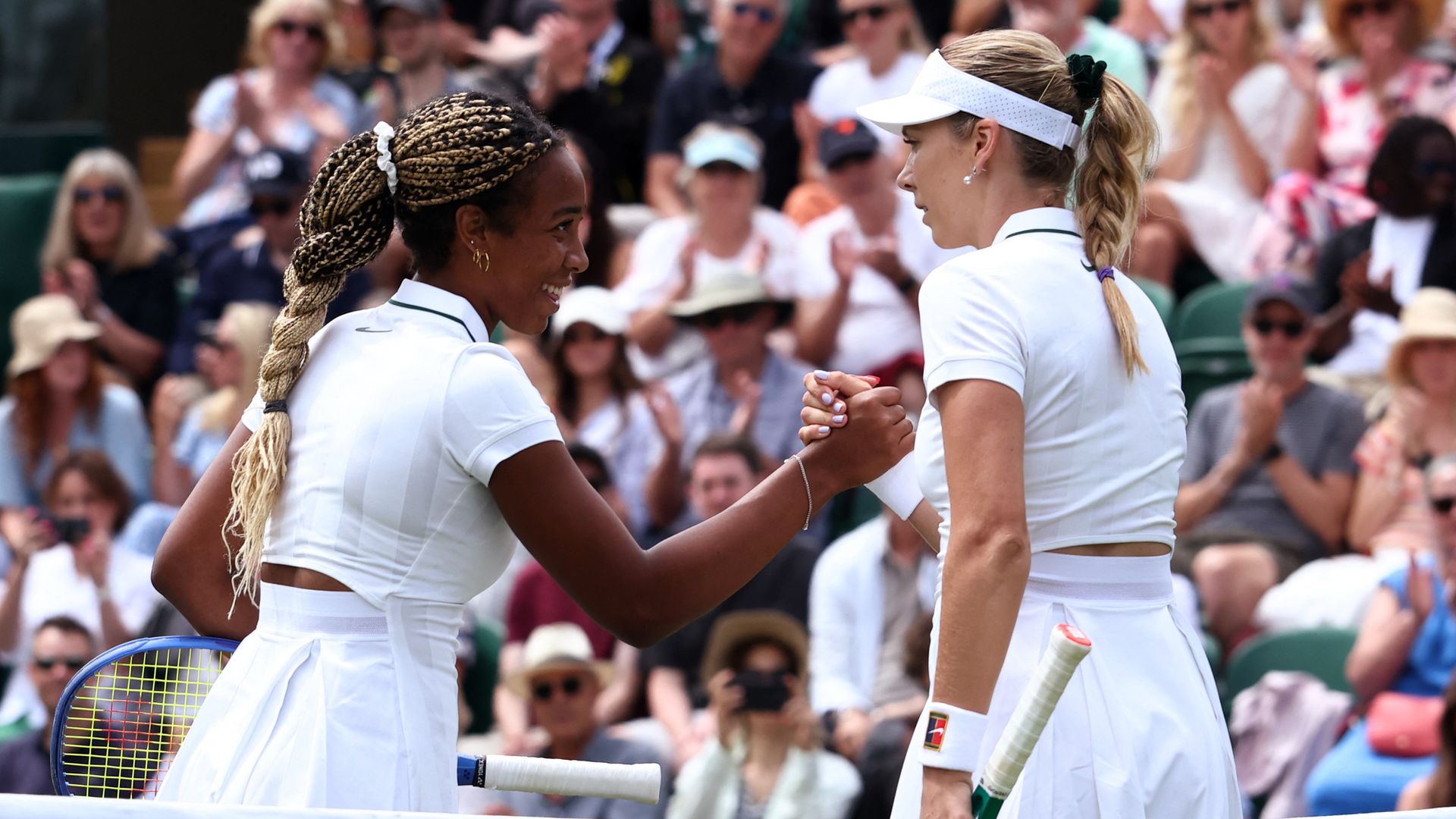
Katie Boulter eliminated from Wimbledon by teenage qualifier Tyra Caterina Grant
British number two Katie Boulter is eliminated from Wimbledon after a first-round straight-sets defeat to 18-year-old qu...