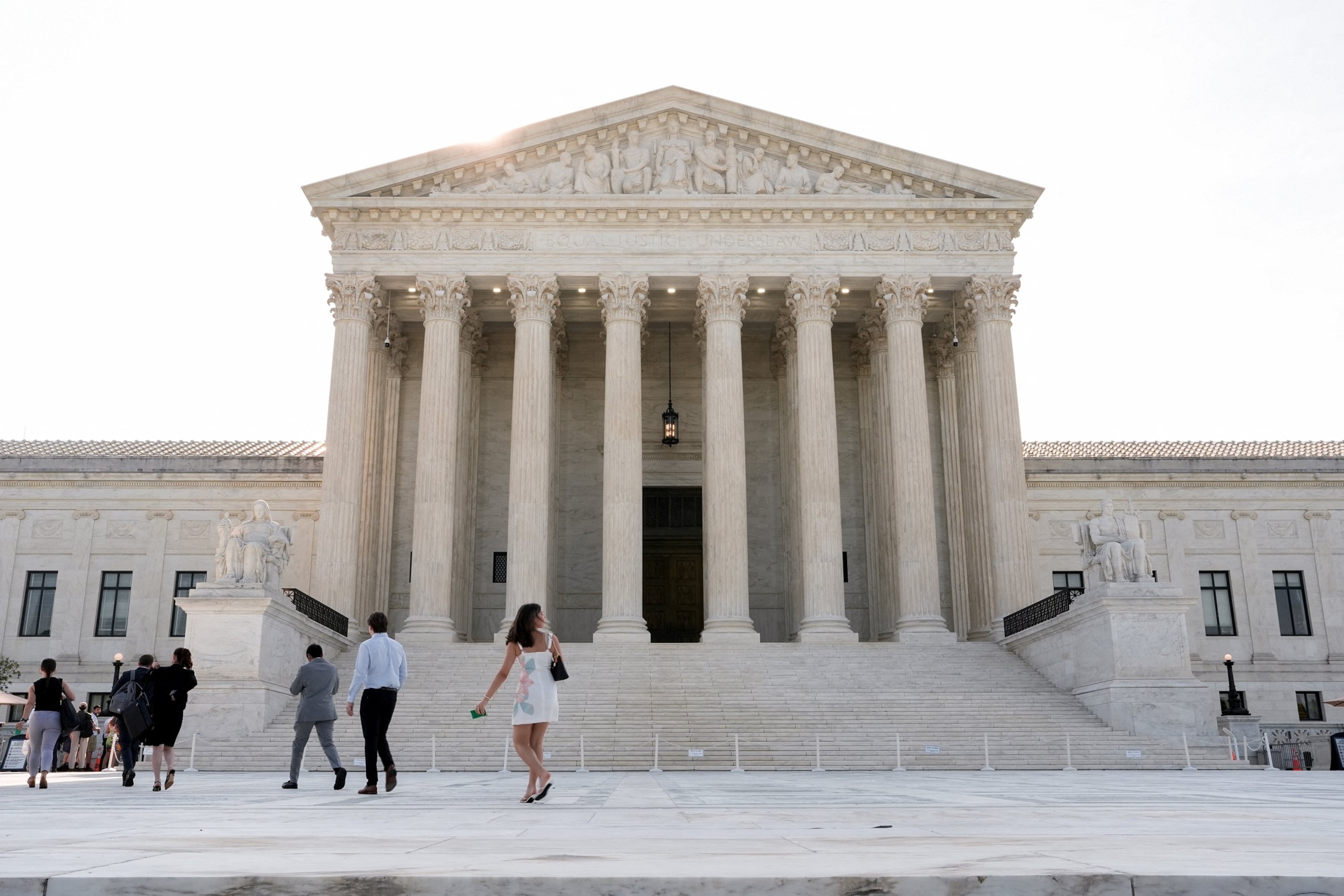
The U.S. Supreme Court on Tuesday struck down long-standing limits on how much political parties may spend in coordination with federal candidates, ruling that the Federal Election Campaign Act violates the First Amendment. Multiple outlets report the decision was issued by a 6–3 conservative majority and focused on spending coordination between political parties and candidates in congressional races, with the ruling also described as affecting federal presidential election activity.
The Court’s decision overturns decades of precedent that had constrained party spending and coordination rules. PBS NewsHour and others describe the law as more than 50 years old. Legal and politics coverage emphasizes that the ruling lifts federal caps on coordinated expenditures, allowing parties to spend unlimited amounts on activities such as advertising and related campaign expenses when coordinated with candidates.
The change is expected to have an impact ahead of the November midterms, with some outlets noting that the ruling could benefit one or the other party, though the core holding concerns constitutional limits on regulating campaign spending. Dissenting justices are reported as Sonia Sotomayor, Elena Kagan, and Ketanji Brown Jackson.