


European Central Bank Governing Council member Olli Rehn says the conflict in the Middle East is driving inflation and simultaneously weighing on economic growth. Speaking in Sintra, Portugal, Rehn links higher energy costs and related pressures to a “stagflationary” effect—meaning inflation rises while expansion slows. He characterizes the energy shock as producing both sides of the tradeoff, with inflation being supported while consumption and activity are affected by the negative impact on the broader economy. The comments are reported in connection with discussions on the outlook for European monetary policy and inflation dynamics, though Rehn does not outline specific policy actions in the available accounts. Overall, the reports agree that the ECB official sees the current geopolitical-driven energy environment as a factor that keeps inflation pressures elevated while also limiting growth.
ECB’s Rehn Says Middle East Energy Shock Is Stagflationary
European Central Bank Governing Council member Olli Rehn says the conflict in the Middle East is driving inflation and simultaneously weighing on economic growth. Speaking in Sintra, Portugal, Rehn li...
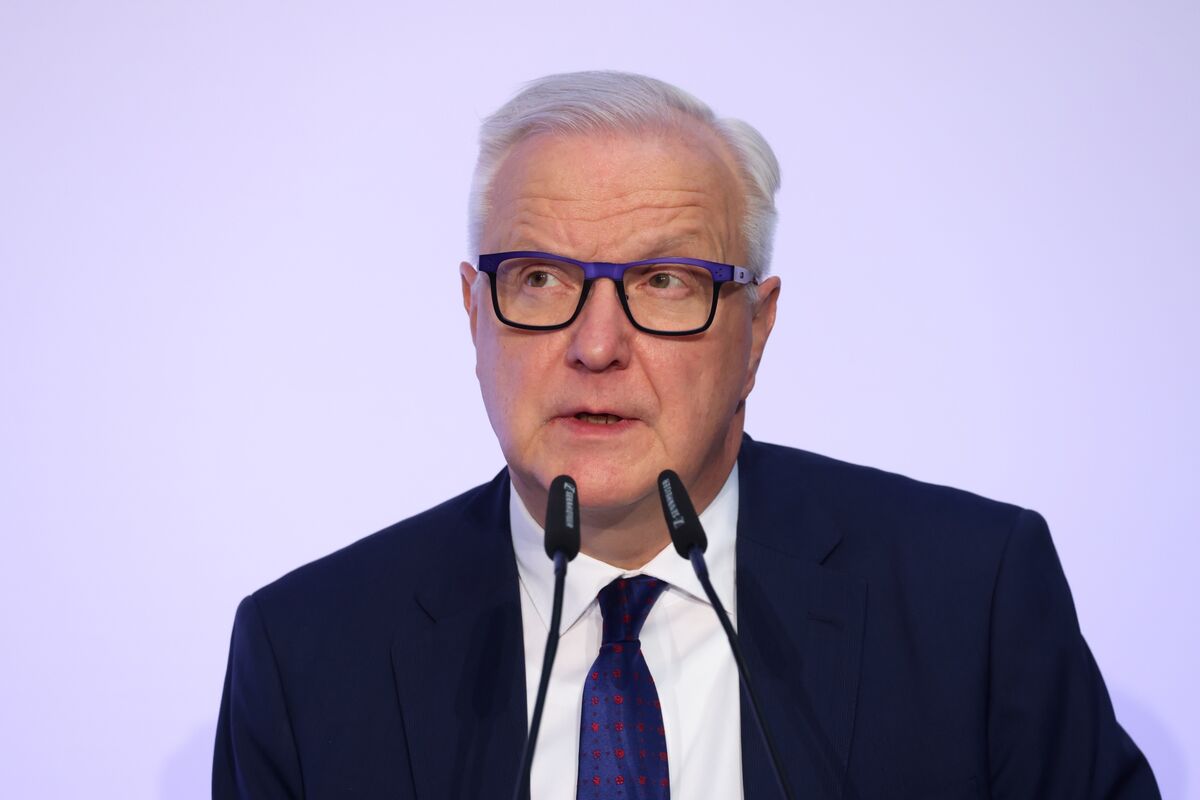
- ECB Governing Council member Olli Rehn says the Middle East conflict is stoking inflation.
- Rehn says the energy shock also weighs on economic expansion.
- He characterizes the impact as “stagflationary.”
- Rehn makes the remarks in Sintra, Portugal.
- The reporting presents the same core assessment of inflation and growth effects.
European Central Bank Governing Council member Olli Rehn said the conflict in the Middle East is stoking inflation while weighing on economic expansion. Rehn spoke with Francine Lacqua on Tuesday in Sintra, Portugal. (Source: Bloomberg)
1 month agoThe conflict in the Middle East is stoking inflation while weighing on economic expansion, according to European Central Bank Governing Council member Olli Rehn.
1 month agoThe conflict in the Middle East is stoking inflation while weighing on economic expansion, according to European Central Bank Governing Council member Olli Rehn.
1 month ago
Veteran journalist Dotun Oladipo dies at 56, Eagle Online publisher
Dotun Oladipo, a veteran Nigerian journalist and publisher of Eagle Online, dies at 56. Multiple outlets report that he...

Tree Island Steel appoints Brian Liu as new chief operating officer
Tree Island Steel appoints Brian Liu as its new chief operating officer (COO), according to multiple outlets. The compan...

S&P/TSX swings as oil moves; U.S. stocks trade higher and mixed
Canada’s main S&P/TSX composite index moves sharply between sessions, with reports describing both declines and gains, o...