


Several outlets report that all-you-can-eat buffet restaurants are fading, attributing the decline largely to changes in consumer behavior during and after the COVID-19 pandemic. The story is framed as part of a broader shift away from earlier decades’ “café society” style dining, when buffets were a popular, widespread option in places such as Las Vegas. One source notes that buffet dining gained early prominence in the post–World War II era, with contemporary local coverage describing large public interest in the opening of what was presented as America’s first all-you-can-eat buffet. While the historical context illustrates how buffets became culturally embedded, current reporting emphasizes that COVID-era health concerns and resulting adjustments to how people eat out have continued to shape demand. Across coverage, the decline is presented as gradual rather than sudden, with fewer customers willing to return to the buffet format and businesses facing ongoing operational challenges tied to pandemic-era norms. Overall, the sources link the reduced viability of buffets to the lasting impact of COVID on restaurant patronage and perceptions of shared, self-serve dining.
All-you-can-eat buffets decline as COVID-era dining habits persist
Several outlets report that all-you-can-eat buffet restaurants are fading, attributing the decline largely to changes in consumer behavior during and after the COVID-19 pandemic. The story is framed a...
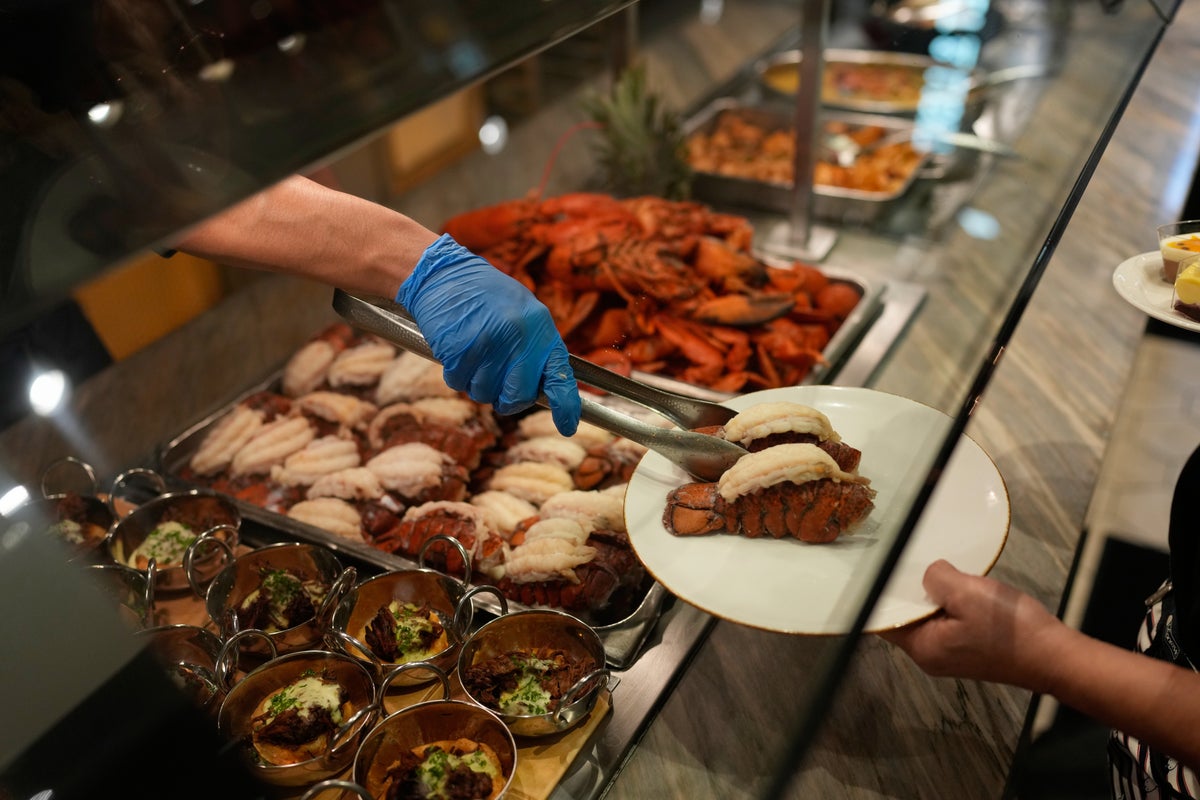
- All-you-can-eat buffets are declining in popularity.
- COVID-19 is cited as a major reason for the shift away from the buffet format.
- Reporting links the decline to lasting changes in consumer dining habits after the pandemic.
- Buffets are described as having been widely popular in earlier decades, including in post–World War II America.
- Some accounts use Las Vegas and early buffet history to illustrate the format’s past prominence.
A year after the end of World War II, Las Vegas watched ‘officialdom and ‘cafe society’ turn out for the opening of America’s first all-you-can-eat buffet,’ a local paper wrote
1 month ago
Procam launches ‘HDOR – 100 Days of Running’ initiative to build lasting movement habits
Procam launches “HDOR – 100 Days of Running,” an initiative framed around completing 100 days of running or movement to...

Jets rookie Chip Trayanum taken to hospital after neck injury vs. Giants
New York Jets rookie running back Chip Trayanum is taken to a hospital after sustaining a neck injury on the final play...

Jury Deliberations Continue in Lindsay Clancy Trial After No Verdict
A jury in Plymouth, Massachusetts resumes deliberations on whether Lindsay Clancy should be held criminally responsible...