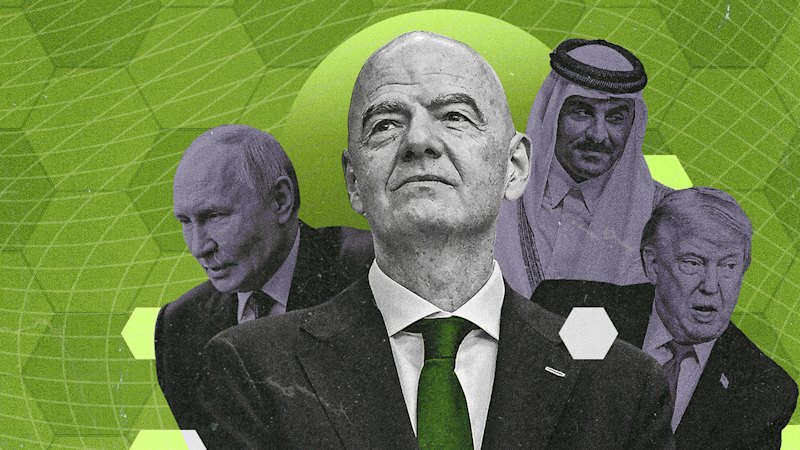
Several outlets focus on the ethical implications of watching the FIFA World Cup. While all refer to the tournament in highly positive terms, they centre on the “price” behind major sporting events: the possibility that audiences benefit from arrangements shaped by corruption, exploitation, or other human-rights and governance failures. The pieces ask whether viewers have responsibility to recognize the moral compromises involved in consuming global entertainment from home, particularly when the scale of attention and participation can help normalize or sustain problematic systems.
Rather than reporting new events, the articles use the World Cup as a prompt for broader reflection on how fans, sponsors, broadcasters, and rights holders interact with the politics of international sport. They suggest that enjoyment of the matches can coexist with scrutiny of the supply chain and financial structures that enable the tournament, though they do not agree on any single solution. Overall, the coverage frames the World Cup as both a cultural spectacle and an opportunity to examine what is traded for access, visibility, and commercial success.