


South Korea’s revised Information and Communications Network Act—often referred to as the “fake news” law—takes effect on July 7 (next Tuesday). The law applies a single legal standard to a range of online posts, including viral YouTube videos, one-star reviews on delivery apps, and contentious comments in parenting communities. It introduces punitive damages for “major online information producers” if they post content authorities classify as unlawful. Those targeted include individuals on platforms such as YouTube and TikTok who meet certain scale thresholds, such as having at least 100,000 subscribers or averaging more than 100,000 monthly views over a defined three-month period, and who have published at least three pieces of content in that timeframe. The enforcement decree also specifies who may be sued for punitive damages over illegal or fabricated information. In addition, major internet platforms—including Naver, Kakao, Google and Meta—face potential high penalties if they fail to appropriately police and remove or restrict unlawful content. While the changes are framed around addressing harmful misinformation, civil liberties advocates cited in coverage raise concerns that the rules could lead to broader censorship or heightened restrictions on online speech.
South Korea’s revised “fake news” law expands liability for major online publishers
South Korea’s revised Information and Communications Network Act—often referred to as the “fake news” law—takes effect on July 7 (next Tuesday). The law applies a single legal standard to a range of o...
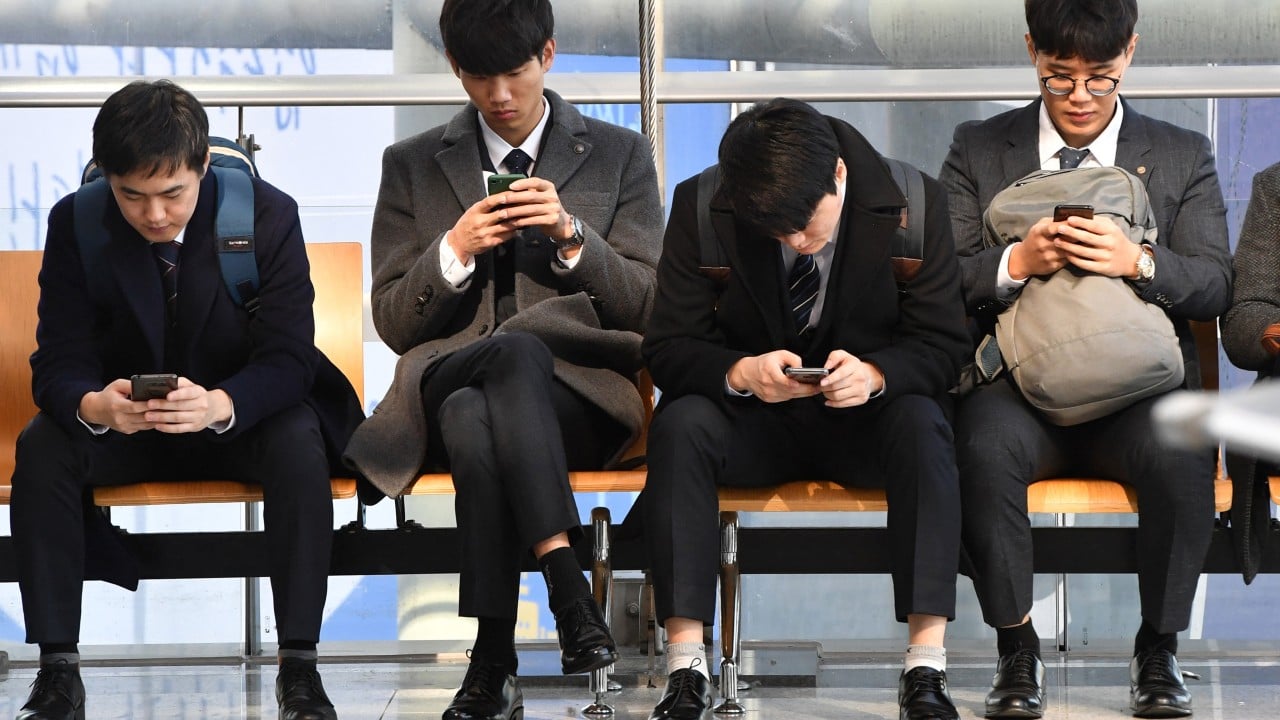
- South Korea’s revised Information and Communications Network Act takes effect on July 7, applying to a wide range of online posts.
- The law introduces punitive damages for major online information producers who post content authorities classify as unlawful or fabricated.
- Individuals are covered if they publish at least three items over a three-month period and exceed thresholds such as 100,000 subscribers or 100,000 average monthly views.
- Online platforms including Naver, Kakao, Google and Meta face steep penalties if they do not police unlawful content.
- Coverage also highlights free-speech and censorship concerns alongside the law’s stated goal of limiting harmful misinformation.
A viral YouTube video, a one-star review on a delivery app, a heated post on a parenting community – all of these will fall under the same legal standard in South Korea starting next Tuesday. The revised Information and Communications Network Act, widely known as the “fake news” law, introduces punitive damages for YouTubers with more than 100,000 subscribers and high-traffic TikTok accounts if they display what authorities define as “unlawful” content. Platforms such as Naver, Kakao, Google and...
1 month agoA viral YouTube video, a one-star review on a delivery app, a heated post on a parenting community — all of these will fall under the same legal standard starting July 7. Korea's revised Information and Communications Network Act, widely known as the "fake news" law, introduces punitive damages for YouTubers with more than 100,000 subscribers and high-traffic TikTok accounts if they display what authorities define as "unlawful" content, while platforms such as Naver, Kakao, Google and Meta stand to face steep penalties if they fail to police such content. High-traffic influencers targeted The enforcement decree spells out who can be sued for punitive damages over illegal and fabricated information. Individuals on online platforms like YouTube or TikTok who have posted at least three pieces of content over the past three months and either have more than 100,000 subscribers or average more than 100,000 monthly views in that period will fall under the definition of major online information producers. If they are found to have deliberately spread false information that causes harm in order
1 month ago
Multiple Medium technology posts highlight free AI tools users claim save hours weekly
Several Medium technology articles promote lists of free AI tools, with authors saying the tools help them save time on...

Traitors 2: Shahneel Gill and Krystle D’Souza feud ends after Shahneel’s eviction
Shahneel Gill is evicted from *The Traitors 2* after the other contestants turn on her during a key discussion, and the...

Judge rejects University of Washington bid to dismiss Asian-American admissions bias lawsuit
A judge in California denies the University of Washington’s motion to dismiss a lawsuit alleging racial discrimination i...