


Several outlets describe how Big Tech increasingly uses employee perks—such as benefits and other workplace incentives—to attract and retain talent, framing it as part of a broader “talent war.” In contrast, the coverage points to Nvidia’s long-term growth strategy and compensation practices. The articles say Nvidia has become one of the world’s most valuable companies, reaching a valuation close to $5 trillion, while adopting a model where employees do not receive every benefit in the same way as firms that emphasize free or subsidized perks. The reporting highlights an example often cited in discussions of Nvidia’s culture and compensation: employees typically pay for their own lunch, while the company’s broader compensation approach—particularly stock-related plans—has been described as a major driver of employee value over time. Across the coverage, the comparison is used to illustrate different approaches to employee motivation and retention: one centered on immediate perks, and another placing greater emphasis on compensation that can become more valuable as the company grows. The sources broadly present the contrast without detailing specific current policy changes or outcomes.
Nvidia’s employee compensation model contrasts with Big Tech’s perk-driven hiring push
Several outlets describe how Big Tech increasingly uses employee perks—such as benefits and other workplace incentives—to attract and retain talent, framing it as part of a broader “talent war.” In co...

- Big Tech companies increasingly use employee perks to attract and retain workers amid a talent competition.
- The articles cite Nvidia’s rise to a valuation close to $5 trillion.
- Nvidia’s compensation approach is described as involving a stock plan that can become highly valuable to employees.
- One example mentioned is that employees at Nvidia typically pay for their own lunch.
- The coverage contrasts Nvidia’s model with perk-focused strategies used by other large technology firms.
At the world’s most valuable company, lunch isn’t free—but a generous stock plan has been far more lucrative.
1 month ago
Apple refreshes the Mac mini with M6 and M5 Pro chips and new pricing
Apple updates its Mac mini lineup with new M6 and M5 Pro configurations, keeping the same compact design. Multiple outle...
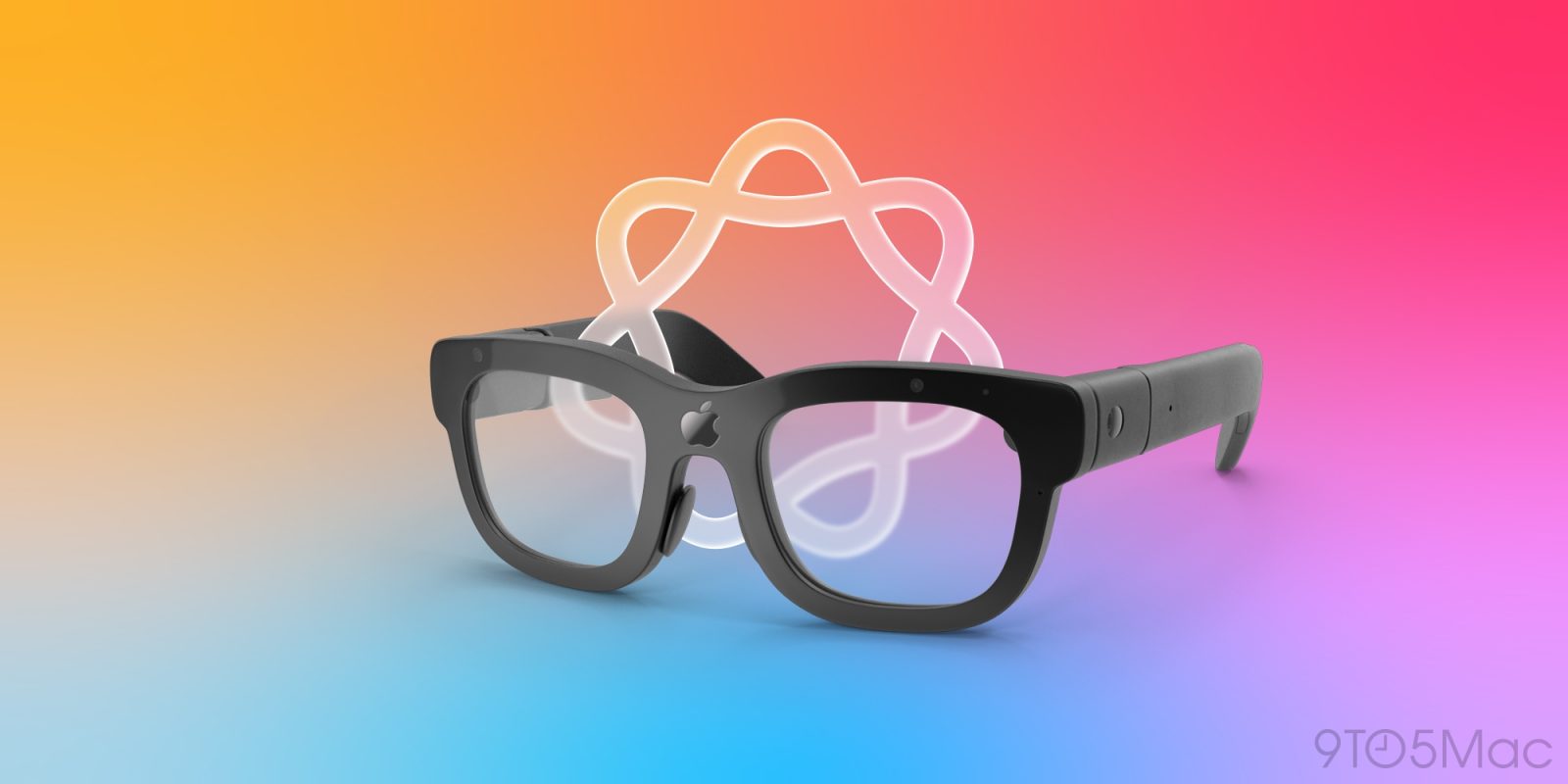
Apple is expected to launch first AI-powered smart glasses next year
Apple is expected to debut its first pair of AI-powered smart glasses next year, according to reports. The glasses are d...

NTA schedules AIAPGET 2026 re-exam for 49 Jaipur candidates after power failure
The National Testing Agency (NTA) announces a re-examination for 49 candidates who are unable to complete the AIAPGET 20...