


Multiple outlets examine how street buskers in Melbourne make money amid a cost-of-living crisis, when fewer people carry loose change and discretionary spending is reduced. The articles focus on practical ways performers adjust to changing audience habits, including shifting how they request or receive payments and relying less on traditional “spare change” contributions. With more residents prioritising essentials, buskers report that tips can be less frequent and smaller, prompting performers to seek alternative income methods and venues. The pieces describe the challenges street musicians face in maintaining earnings and visibility in high-foot-traffic areas, as well as the need to connect with listeners who may have less cash on hand. Overall, the coverage presents busking as both a cultural presence and a source of income, while highlighting how economic conditions influence how passers-by respond to performances and how buskers plan to sustain themselves in the current climate.
Melbourne buskers adapt to earn money during cost-of-living pressures
Multiple outlets examine how street buskers in Melbourne make money amid a cost-of-living crisis, when fewer people carry loose change and discretionary spending is reduced. The articles focus on prac...
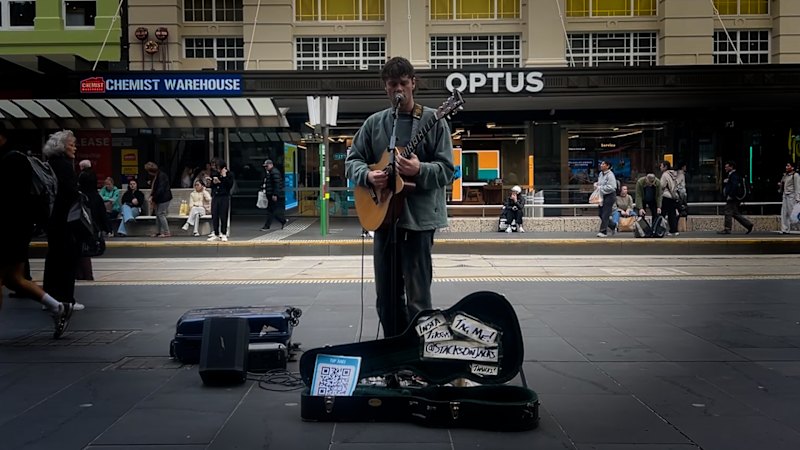
- Melbourne street buskers face reduced earnings during the cost-of-living crisis.
- People have less spare change, affecting traditional cash tipping.
- Buskers adjust their approach to payment and audience engagement in response.
- The articles describe ongoing challenges for performers relying on public tips for income.
- Busking remains a visible part of Melbourne’s street culture despite economic pressures.
How do you make money busking during a cost-of-living crisis when spare change is scarce?
1 month agoHow do you make money busking during a cost-of-living crisis when spare change is scarce?
1 month agoHow do you make money busking during a cost-of-living crisis when spare change is scarce?
1 month ago
Death toll rises in Nepal and Tibet floods as more than 1,000 people reported missing
Deadly flash floods in Nepal and Tibet kill dozens as the reported death toll rises and search-and-rescue efforts contin...

Shailene Woodley Says Her ‘Amazing Spider-Man 2’ Scenes Were Cut
Shailene Woodley recalls being disappointed after learning that her filmed scenes for 2014’s The Amazing Spider-Man 2 we...

Bayern Munich beat Stuttgart 5-1 in Bundesliga opener with Olise and Diaz scoring
Bayern Munich defeat Stuttgart 5-1 in their Bundesliga season opener at home on Friday. Michael Olise and Luis Diaz each...