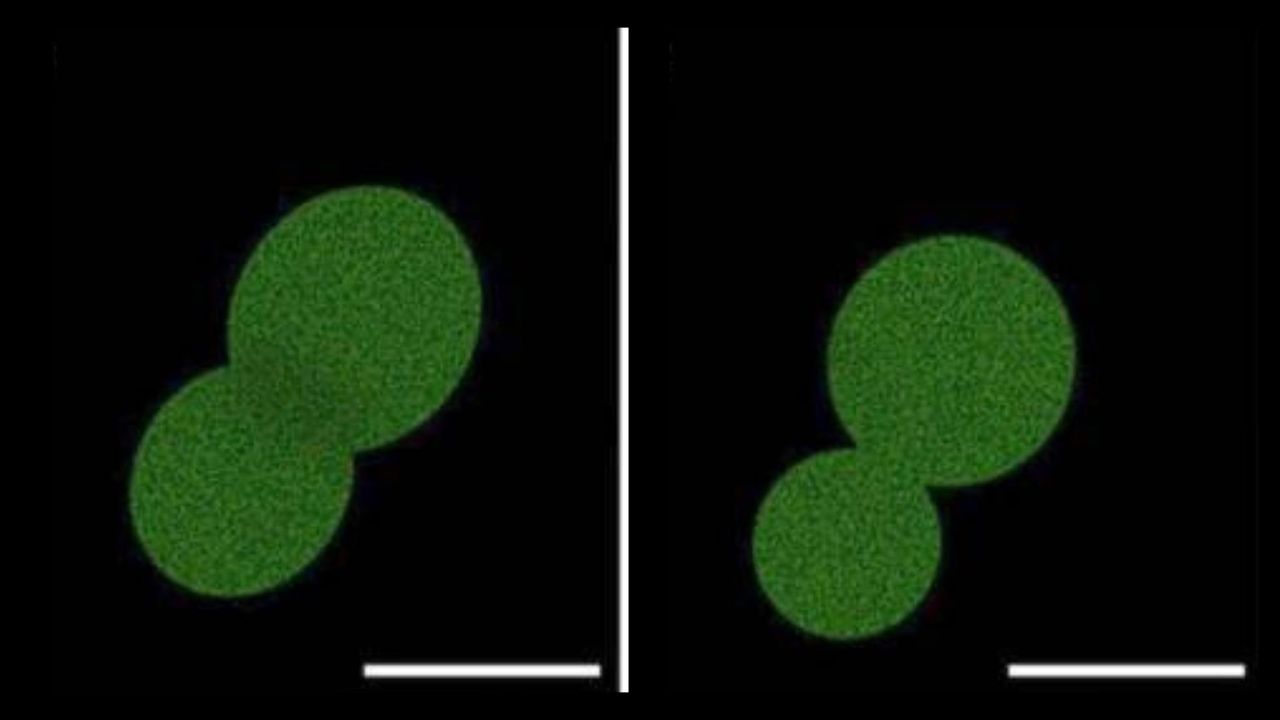
Scientists report creating “SpudCell,” a lab-made chemical system designed to imitate several hallmark behaviors of living cells. Multiple outlets describe it as built from non-living components and described as cell-like or lifelike because it can take in nutrients (“feed”), grow, copy genetic material (DNA), and divide. Some reports also say it can undergo selection, suggesting an ability to change based on environmental pressures. The studies are presented as a step toward synthetic biology’s broader goal of constructing biological functions from basic chemical parts.
However, outlets consistently caution that SpudCell is not considered a living organism. Scientific American and other explainers point to internal structural requirements found in real cells that SpudCell does not fully reproduce, meaning it lacks key features that would qualify it as truly alive under common definitions. The New York Times and The Conversation emphasize that the work is both a scientific demonstration and a prompt to refine questions about what “life” means and what is required to build a fully self-sustaining synthetic cell. Researchers are described as looking to increase its independence and self-sufficiency.