
Multiple outlets discuss the meaning of “ceasefire” amid ongoing talks and public debate about conflicts in the Middle East. While the term suggests an immediate end to fighting, sources emphasize that ceasefires often work differently in practice. They can be temporary arrangements, limited in scope, or subject to conditions, including verification mechanisms and agreements on what actions are considered violations. The articles note that ceasefire announcements may reduce certain types of hostilities without guaranteeing long-term peace, especially when broader political disputes remain unresolved. Each outlet highlights the gap between public expectations—such as a full cessation of violence and a return to normal life—and the reality that enforcement can be difficult and attacks may continue even during negotiations. The reporting also places the discussion in a wider global context, where ceasefire language is used by governments and international actors in diplomatic messaging, sometimes ahead of further talks. Overall, the sources portray ceasefires as tactical tools in negotiation processes rather than a guaranteed path to lasting peace.
What “ceasefire” means as Middle East negotiations and expectations shift
Multiple outlets discuss the meaning of “ceasefire” amid ongoing talks and public debate about conflicts in the Middle East. While the term suggests an immediate end to fighting, sources emphasize tha...
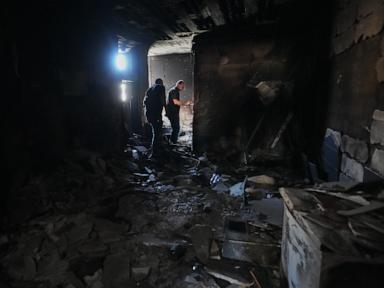
- “Ceasefire” typically refers to an agreed stop (or reduction) of fighting, but terms and scope can vary by agreement.
- Ceasefires in the Middle East are presented as part of negotiation or diplomacy, not necessarily as permanent peace arrangements.
- Enforcement and verification are central issues and can affect whether fighting truly stops.
- Public expectations of an immediate, lasting end to violence may not match what ceasefires deliver in practice.
- Broader political conflicts and disputes beyond battlefield ceasefire terms can continue despite announced pauses in fighting.
Ceasefires in the Middle East are not bringing the peace many people expect
1 hour agoCeasefires in the Middle East are not bringing the peace many people expect
2 hours ago
Templeton Emerging Markets and Dragon Funds publish Q1 2026 performance commentary
Two separate Q1 2026 commentaries from Templeton-branded closed-end funds outline their recent performance and market co...

Dundee University executives receive nearly £300,000 after stepping down
The University of Dundee’s principals who stepped down are reported to have been paid almost £300,000 in total. Accordin...

Lagos State warns of more heavy rains as it demolishes shanties
Lagos State authorities warn that more heavy rainfall and flash floods are likely in the coming weeks. According to repo...