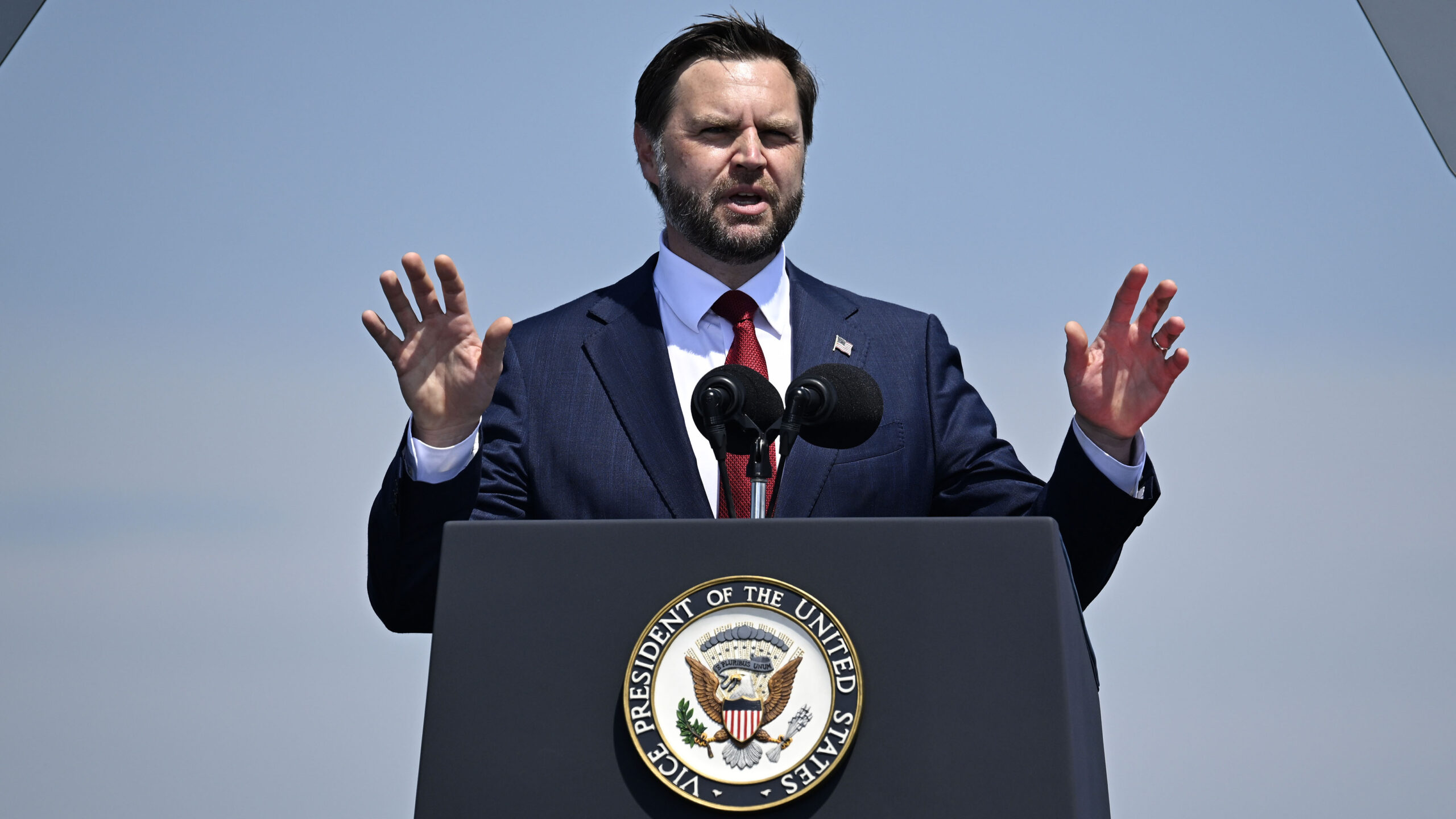
In the wake of the Supreme Court’s ruling upholding birthright citizenship, some Trump administration figures and Republican lawmakers renew calls to restrict what they describe as “birth tourism.” The Supreme Court decision, issued in a 6–3 vote, leaves in place constitutional citizenship for children born on U.S. soil and effectively blocks a Trump executive action aimed at narrowing birthright citizenship.
Reporting across outlets says the administration and allies are now focusing on alternative strategies rather than revisiting the birthright citizenship ruling directly. Some proposals discussed include seeking congressional legislation that would limit citizenship by requiring at least one parent to be a U.S. citizen or lawful permanent resident. Other discussion includes proposals tied to restricting entry of pregnant women and targeting related concerns in U.S. territories.
Sources also note the administration’s justification has faced scrutiny, with government lawyers telling the Supreme Court that the prevalence of “birth tourism” is not well known, and available data indicating it affects less than 1% of births annually. Overall, coverage frames the current debate as shifting from executive action to legislative or entry-related measures.