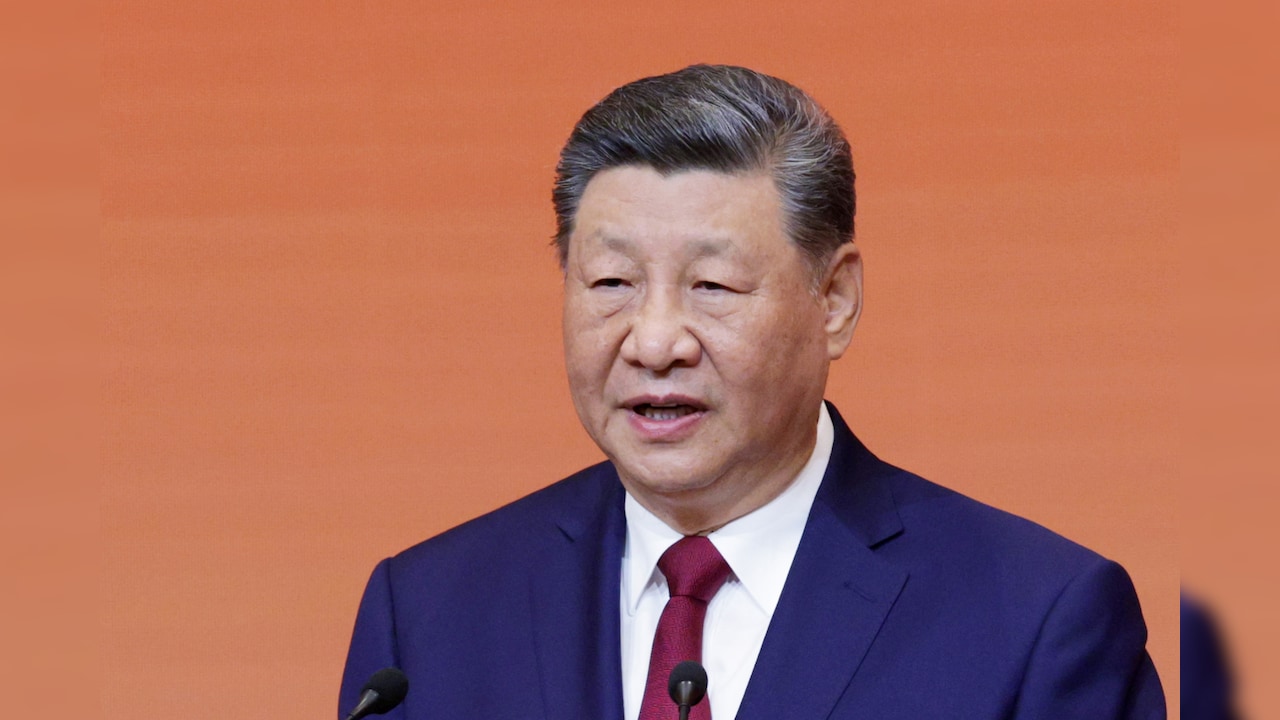
China’s newly implemented “Ethnic Unity” law is drawing criticism from rights groups and several Western governments while Beijing defends it as protecting minorities. Multiple outlets describe the Law on Promoting Ethnic Unity and Progress, which came into effect this month, as aimed at strengthening a “shared Chinese national identity” among China’s 56 officially recognized ethnic groups. The government says the framework will promote social harmony and help minorities, asserting that it is not designed to target them.
Critics, including rights organizations and officials in the United States and European Union, argue the law could accelerate forced assimilation or restrict cultural and political rights for groups such as Tibetans and Uyghurs. Some analyses frame the legislation as a policy shift from addressing specific ethnic issues toward a broader mandate for integration, and they link it to wider concerns about China’s ideological and political influence. Several sources also highlight a contentious element that they say could allow liability for individuals or organizations outside mainland China if they are deemed to undermine ethnic unity.
The outlets collectively note that the law is part of a longer trend in Xi Jinping-era ethnic policy, including measures and discussions that began earlier in the decade.