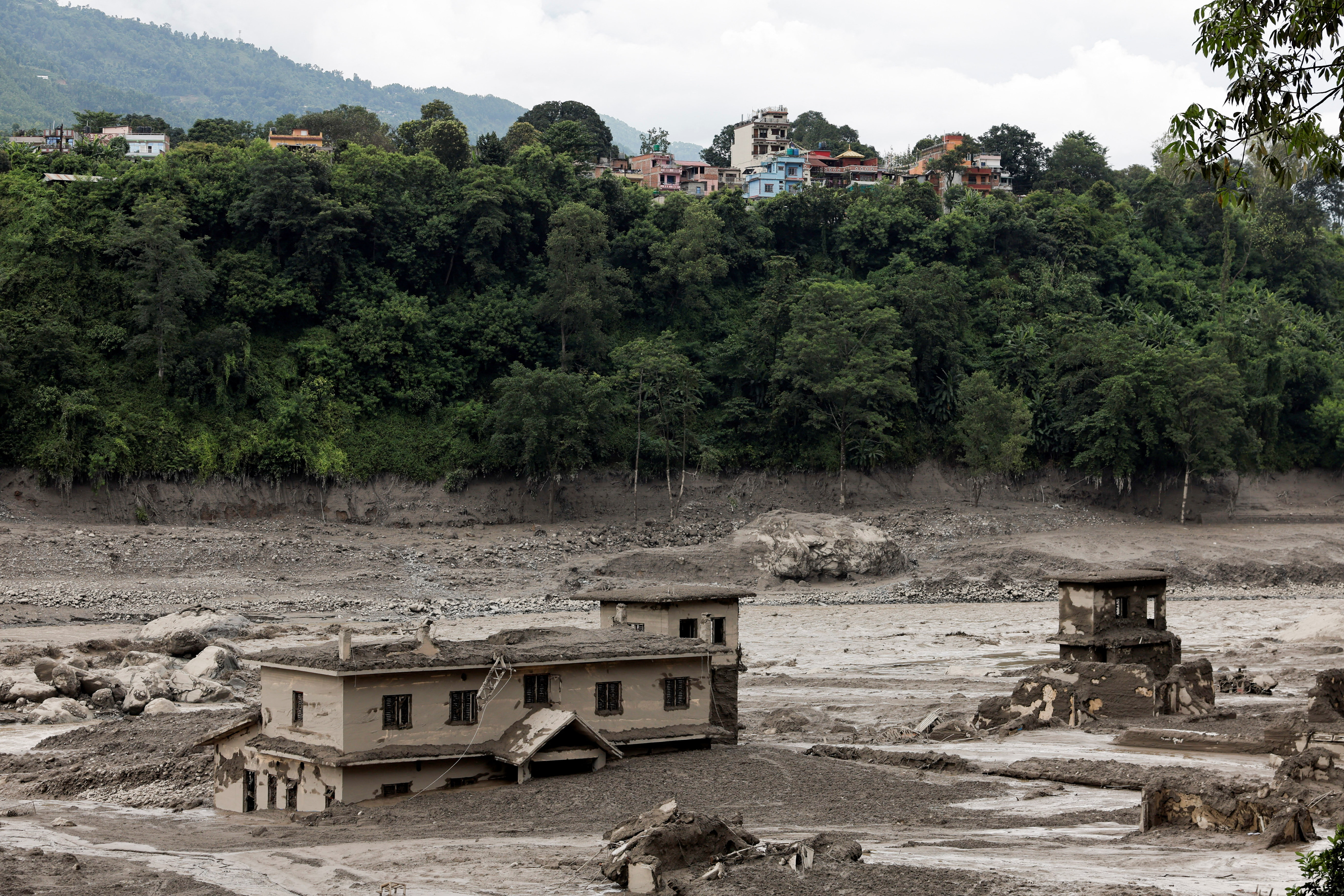
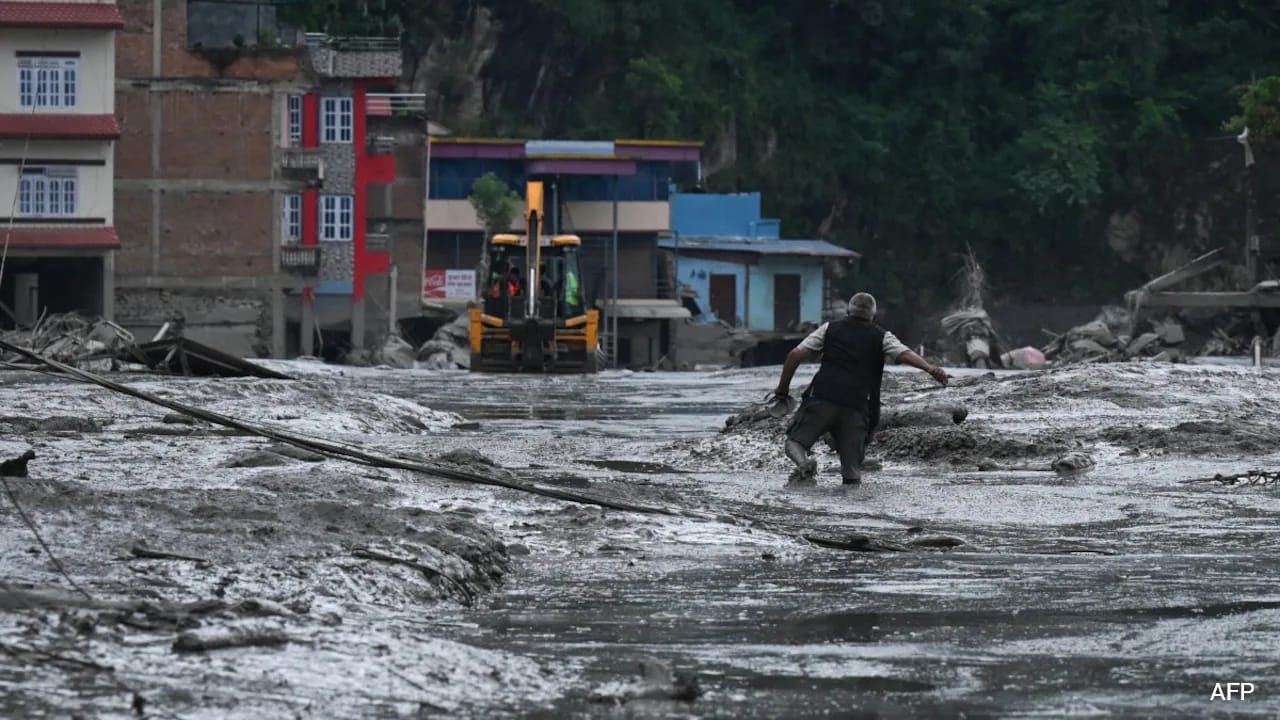
After a destructive earthquake in Venezuela, residents report that government rescue and relief efforts are moving slowly, prompting widespread frustration. Multiple outlets describe how everyday citizens and volunteer groups step in to search for survivors, provide first aid, and distribute food, water, and other necessities in the affected areas.
Accounts from volunteers emphasize hands-on participation, including digging through debris to look for people trapped after the quake. As officials and formal institutions work to coordinate relief, citizens say they are filling gaps in local capabilities and logistics, often organizing themselves quickly once information about damage and missing persons spreads.
Coverage also highlights that the growing reliance on volunteer efforts is linked to anger toward the government’s disaster response. While the outlets do not dispute that official channels are involved, they present a picture of uneven or delayed on-the-ground support, leading communities to take on roles typically handled by emergency services and relief organizations. The reporting reflects a broader trend of grassroots organization following large-scale disasters, with volunteers acting as a bridge between urgent local needs and available resources.