


Madonna’s 15th studio album, “Confessions II,” is released as a spiritual follow-up to her 2005 project “Confessions on a Dance Floor,” and multiple reviews describe it as a return to form. Critics characterize the record as house- and club-oriented, built to flow like a DJ set, with a sequencing that gradually shifts into more reflective material toward the end. Several outlets point to how the album draws on Madonna’s past—both musically and thematically—while also presenting more personal, confessional content than her recent work. Reviewers cite a renewed focus on her origin story and the New York club scene, including references in songs such as “Everybody” and tracks that evoke that era. Collaboration and guest contributions also feature in the coverage, including Sabrina Carpenter on “Bring Your Love” and a duet with Madonna’s daughter Lourdes Leon on “The Test.” Across outlets, the critical consensus is largely positive, with many calling it her best album in about two decades (often noting it does not fully surpass the original 2005 album).
Madonna’s “Confessions II” receives widespread praise as a 2005 follow-up
Madonna’s 15th studio album, “Confessions II,” is released as a spiritual follow-up to her 2005 project “Confessions on a Dance Floor,” and multiple reviews describe it as a return to form. Critics ch...
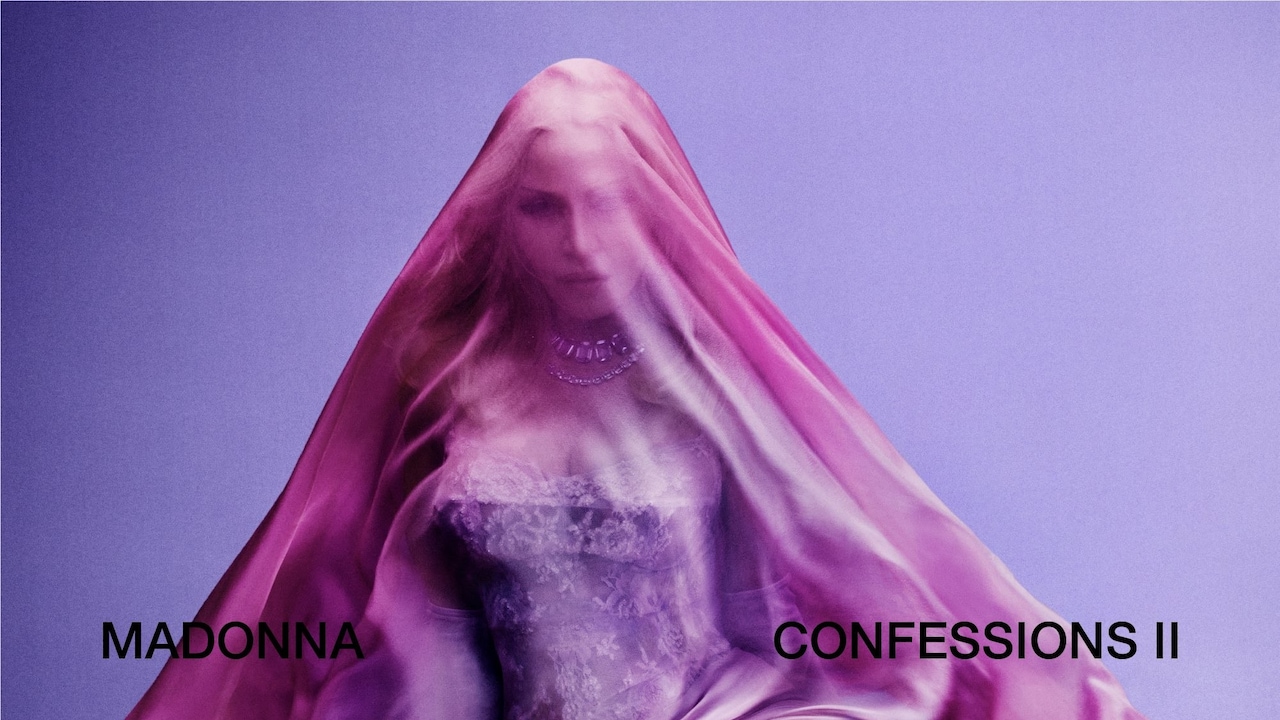
- “Confessions II” is Madonna’s 15th studio album and is described as a spiritual sequel to 2005’s “Confessions on a Dance Floor.”
- Critics broadly praise the album’s dancefloor/club sound and its track sequencing, likened to a DJ set.
- Multiple reviewers say the album is more personal and confessional than her more recent releases, while still drawing heavily on her past.
- Featured collaborations cited in reviews include Sabrina Carpenter on “Bring Your Love” and Lourdes Leon on “The Test.”
- Reviews commonly rate “Confessions II” among Madonna’s strongest albums in decades, though several note it may not surpass the 2005 original.
Confessions II might be a spiritual sequel to Confessions on a Dancefloor, but the new album is both sonically different and much more confessional.
1 month agoMadonna has made a dramatic return to the pop world with her new album Confessions IIMadonna has admitted she’s been taken aback by the reaction to her latest album Confessions II.Not only has the Queen of Pop’s musical offering been met with rave reviews from both critics and fans, it’s also currently the number one album on both sides of the Atlantic, as well as in numerous other territories.Posting on Instagram on Monday evening, the Grammy winner said that “words cannot express how grateful and surprised I am by the incredible reception” Confessions II has received.“Thank you to everyone who has been a part of this and who has helped make this dream come true. Especially my fans,” she continued. “The goodwill and positivity has been incredible. I’m still pinching myself. I can’t believe it’s number one all around the world.”Madonna added: “My dream was to make people dance this summer!! To bring people JOY! Dreams do come true. Thanks and love!”Confessions II serves as a follow-up to Madonna’s 2005 release Confessions On A Dance Floor, still considered a seminal album in her back catalogue by many fans.Her 15th album was preceded by the lead single Bring Your Love, a collaboration with Sabrina Carpenter, which the pair debuted on stage at Coachella earlier this year, when Madonna made a guest appearance during the Please Please Please singer’s headlining slot.On Friday, it was confirmed that Confessions II had become Madonna’s first release to top the UK albums chart since 2012’s MDNA.Even more excitingly, Confessions II cut Danceteria was revealed to be Madonna’s first solo top 40 in more than a decade (though in that time, she did chart with collaborations with other artists, while her 1985 number one Into The Groove also returned to the charts earlier in 2026 following a resurgence in popularity on TikTok).Confessions II is also the Like A Prayer singer’s first album to give her multiple top 40 hits since 2008’s Hard Candy.READ MORE:Fans Think Madonna Is 'Dragging' Ex-Husband Sean Penn On New Album Confessions IIMadonna Claims She And Daughter Lourdes Leon 'Healed' Their Relationship On New SongOur Guide To Every Celebrity Cameo Featured In Madonna's Confessions II Short Film
1 month agoConfessions II, Madonna’s fifteenth studio album, was released on 3 July to critical acclaim.
1 month agoMadonna’s “Confessions II,” her first new album in seven years, found an appreciative audience awaiting her return. The album bowed with 134,000 equivalent album units, more than enough to push her past the still highly successful Olivia Rodrigo record to land on top of the Billboard 200 album chart. Billboard reported Sunday that the debut […]
1 month agoMadonna performing live in New York last monthThe Queen of Pop has reclaimed her throne at the top of the charts.Last week, Madonna unveiled her 15th album Confessions II, a follow-up to her seminal release Confessions On A Dance Floor, which debuted 21 years earlier.After receiving a wave of unanimously positive reviews, it’s now been revealed that Confessions II is the UK’s number one album, becoming her 13th release to reach this accolade.It’s also Madonna’s first time topping this chart since her 2012 album MDNA.However, that’s not the only reason the Like A Prayer singer has cause for celebration heading into the weekend.The Official Charts Company has also confirmed that the Confessions II cut Danceteria has debuted at number 38 in the UK singles chart, becoming her first solo top 40 on this side of the Atlantic since 2014’s Living For Love (we should note that in that time, she’s also gone top 40 thanks to collaborations with The Weeknd and Sabrina Carpenter, while her 1985 hit Into The Groove also returned to the UK charts earlier this year after going viral on TikTok).Danceteria is inspired by Madonna’s days as a staple in the New York club scene before her ascent to fame in the early 80s, and namechecks many of the people she rubbed elbows with in those days, including artists Jean-Michel Basquiat and Keith Haring, musicians Nile Rodgers and David Byrne and her close friend Debi Mazar.There had already been a lot of hype around the track in the lead-up to its release, after it was prominently featured in Madonna’s Confessions II short film last month, in a sequence featuring a host of celebrity cameos including Benedict Cumberbatch, Game Of Thrones’ Gwendoline Christine, DJ Honey Dijon and supermodel Kate Moss.It’s now become her 74th top 40 single in the UK, and the second song from Confessions II to do so following the success of the Sabrina Carpenter duet Bring Your Love earlier in the year.As a result, Confessions II has become Madonna’s first studio album to have two of its songs go top 40 since 2008′s Hard Candy.Now Confessions II is out in the world, fans will no doubt be wondering if Madonna is planning to take her new material on the road.During her recent chat with Graham Norton for the BBC, the Grammy winner teased that her plans for 2027 were to “do promo tours for a while”, then “in the summertime” do “something bigger”, which many have interpreted as a nod to her performing at Glastonbury next year.The Sun reported in June that the US singer is currently weighing up her options as to how best bring Confessions II to life on stage, while she’s also due to headline the World Cup’s first ever halftime show next week.READ MORE:Fans Think Madonna Is 'Dragging' Ex-Husband Sean Penn On New Album Confessions IIGraham Norton Gets Candid About How 'Scary' It Is To Interview MadonnaMadonna Claims She And Daughter Lourdes Leon 'Healed' Their Relationship On New Song
1 month agoRecent albums have not performed well but Confessions II received widespread praise. Here are the reactions so far…
1 month ago
Indonesia warns against open burning as wildfire haze spreads to Malaysia and Brunei
Indonesia is intensifying efforts to fight wildfires and peat fires as smoke and haze spread across parts of Southeast A...

Nepal-Tibet flash floods leave hundreds dead and more than 1,400 missing, officials report
Catastrophic flash floods strike along Nepal’s border with Tibet, killing hundreds of people and leaving large numbers m...

Anne Hathaway joins Tom Cruise in Paramount’s ‘Days of Thunder’ sequel, set for 2028
Tom Cruise announces that Anne Hathaway will co-star in Paramount Pictures’ sequel to “Days of Thunder,” titled “Days of...