


A planned eight-month scientific expedition will depart from Norway to investigate life in the Arctic Ocean as changing climate and pollution alter northern waters. Six scientists and six crew members will travel to Kirkenes, a remote town in northern Norway near the Russian border, in order to begin work aboard the French-built Tara polar research station. The vessel is designed to operate in extreme conditions, including prolonged darkness during the polar night and temperatures that can fall as low as about -50°C (-58°F). After arriving in Norway on 14 August, the team will wait for suitable conditions and for an icebreaker to create a path before departure. The expedition then proceeds as the station enters the pack ice and is effectively frozen in, with the ship drifting slowly across the Arctic region toward Greenland. The voyage includes overwintering onboard the vessel during the long polar night period, with the aim of collecting observations and sampling to look for new species and better understand Arctic ecosystems and microbial life in an environment that is difficult to access and has been comparatively less studied.
Tara polar expedition sets out from Norway to study Arctic life from drifting ice
A planned eight-month scientific expedition will depart from Norway to investigate life in the Arctic Ocean as changing climate and pollution alter northern waters. Six scientists and six crew members...
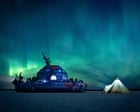
- An eight-month Tara polar expedition is planned to study life in the Arctic Ocean.
- The team includes six scientists and six crew traveling to Kirkenes, Norway near the Russian border.
- The research platform is the French-built Tara polar floating station designed to freeze into pack ice.
- The expedition will depart after arriving in Norway on 14 August, once conditions and an icebreaker route are ready.
- The station overwintering as it drifts from the Arctic pack ice toward Greenland, with temperatures reported as low as about -50°C.
An eight-month expedition will set off soon from Norway on a mission to find new species before the climate crisis and pollution changes the northern ocean for everSix scientists and six crew will travel next month to Kirkenes, a remote Arctic town in Norway near the Russian border, to begin an odyssey to one of the most inhospitable, inaccessible and least-studied regions on Earth. There, they will climb onboard a futuristic, floating laboratory – the French-built Tara polar station.They will enter a harsh and isolating environment: months of complete darkness and temperatures as low as -50C (-58F). Arriving in Norway on 14 August, they will await good conditions and an icebreaker to open a route for them before setting off on an eight-month voyage, overwintering through long, intense polar nights onboard a 26-metre-long, 16-metre-wide vessel built to be frozen into the pack ice, which will drift slowly over the north pole to Greenland. Continue reading...
1 month ago
Nepal begins burying unidentified flood victims, using DNA for later identification
Nepal authorities start burying unidentified and unclaimed victims of deadly floodwaters and mudslides after the tsunami...

Glacier retreat in Nepal is linked to climate change impacts, outlets report
Multiple outlets report on concerns about Nepal’s increasing disaster risk as Himalayan glaciers continue to retreat. Th...

Vietnamese coffee farmers switch to durian as Chinese demand grows
Vietnam’s coffee farmers in the Central Highlands are shifting from coffee to durian, driven by rising demand from China...