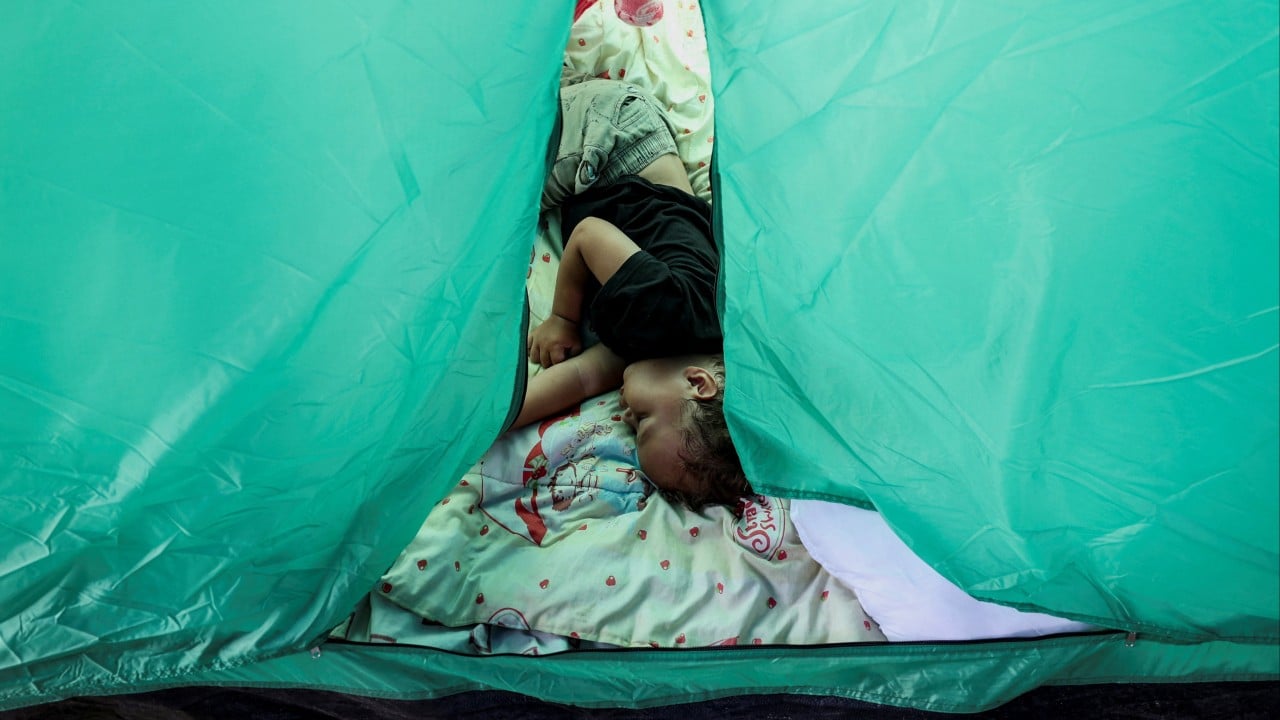
One week after powerful earthquakes struck northern Venezuela, health facilities in La Guaira are under severe strain as hospitals approach capacity and basic services are disrupted. Reports citing UN agencies say all eight health facilities assessed in La Guaira are struggling to cope with the fallout, with medical systems overwhelmed by injuries and ongoing needs. In Caracas, multiple hospitals and clinics are also described as having suffered major damage; one outlet reports nine of 21 facilities in the capital were severely or critically affected. At the same time, displaced people are increasingly reliant on shelters, where sanitation, access to clean water, and other conditions are deteriorating.
Health agencies warn that these circumstances increase the likelihood of disease outbreaks among survivors. Concerns highlighted across sources include overcrowding in shelters, limited access to essential medical care, and shortages of food and clean water. The World Health Organization’s Americas branch and PAHO assessments link the elevated risk to disruptions in routine healthcare and the challenges of infection control in temporary accommodation. By late in the week, the number of displaced people reported by one outlet reaches just under 18,000, with more than 80 shelters opened.