
Multiple reports say the Supreme Court finishes its term with several significant decisions addressing race, discrimination, and how historical context relates to the law. The outlets describe the rulings as “fraught” and “reflective,” emphasizing that the Court is directly engaging with issues that involve unequal treatment and the interpretation of legal standards in light of past harms. While specific case details are not provided in the excerpts, the coverage characterizes the term as shaped by major opinions that review legal claims connected to racial equality and discriminatory conduct. The reports also suggest the Court’s approach involves careful legal reasoning that weighs statutory or constitutional frameworks against the broader social and historical background relevant to the disputes before it. Taken together, the sources indicate the Court’s end-of-term agenda includes decisions that affect how discrimination is assessed and how legal principles are applied to matters involving race and historical considerations, with the Court communicating its conclusions through detailed, precedent-setting opinions.
Supreme Court issues major rulings on race, history, and discrimination
Multiple reports say the Supreme Court finishes its term with several significant decisions addressing race, discrimination, and how historical context relates to the law. The outlets describe the rul...
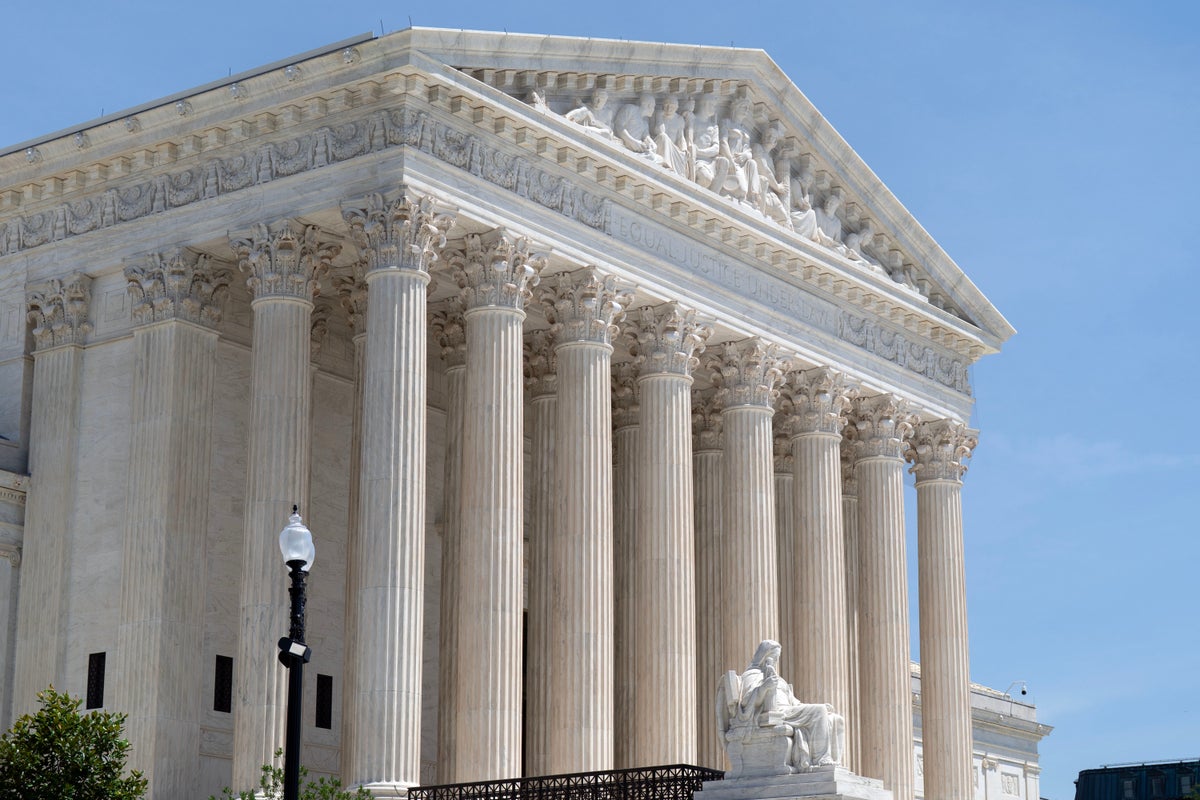
- The Supreme Court issues major rulings during the term focused on race-related issues.
- The decisions address discrimination and how the law applies to claims involving unequal treatment.
- The reporting describes the rulings as reflective and involving sensitive or contentious matters.
- The Court’s reasoning is presented as engaging with historical context alongside legal standards.
The Supreme Court has wrapped up a term with significant rulings on race and discrimination
3 hours ago
FG announces NYSC uniform reform: Adire fabric to replace khaki
The Federal Government announces reforms for the National Youth Service Corps (NYSC) that include changing the corps mem...

Von der Leyen announces EU economic and political support during Armenia visit
European Commission President Ursula von der Leyen makes a strategic trip to Armenia focused on the South Caucasus peace...

Watchdog finds Defra breached environmental law over emergency use of banned pesticide
The UK environmental watchdog has found that the Department for Environment, Food and Rural Affairs (Defra) breached env...