
Nepal’s cities are vaccinating children at lower rates than rural areas, officials say, citing persistent gaps in reaching all eligible children. In urban settings, healthcare workers face difficulties covering “floating” populations, including people who move frequently for work or other reasons. Officials also point to slum communities, where dense living conditions and limited access to services can hinder consistent immunization. Migrant workers and their families are described as another group that can be missed during routine outreach and follow-up. The reporting highlights that these challenges contribute to lower full vaccination coverage in cities compared with rural areas, where programs may be easier to coordinate through more stable communities. While efforts continue to expand coverage, officials indicate that overcoming urban barriers—such as mobility, informal housing, and service access—remains central to improving vaccination outcomes. The overall picture is that inequities in where children live affect how reliably vaccination schedules are completed.
Nepal cities report lower child vaccination coverage than rural areas
Nepal’s cities are vaccinating children at lower rates than rural areas, officials say, citing persistent gaps in reaching all eligible children. In urban settings, healthcare workers face difficultie...

- Officials say Nepal’s cities have lower child vaccination coverage than rural areas.
- Floating or highly mobile populations make it harder to reach children consistently in cities.
- Slum dwellers are identified as a group facing barriers to full vaccination coverage.
- Migrant workers and their families are cited as being at risk of missed immunizations.
- Urban access and follow-up challenges are presented as ongoing obstacles to completing vaccination schedules.
Officials say floating populations, slum dwellers, and migrant workers are among the biggest hurdles to achieving full vaccination coverage in urban areas.
Officials say floating populations, slum dwellers, and migrant workers are among the biggest hurdles to achieving full vaccination coverage in urban areas.

WHO begins clinical trial of two treatments for Bundibugyo Ebola in DR Congo
The World Health Organization (WHO) is starting a clinical trial in the Democratic Republic of Congo (DRC) to evaluate t...

Southport taxi driver Gary Poland loses licence after fleeing stabbing scene
A taxi driver, Gary Poland, has had his licence revoked following the July 2024 Southport stabbing attack in which Axel...
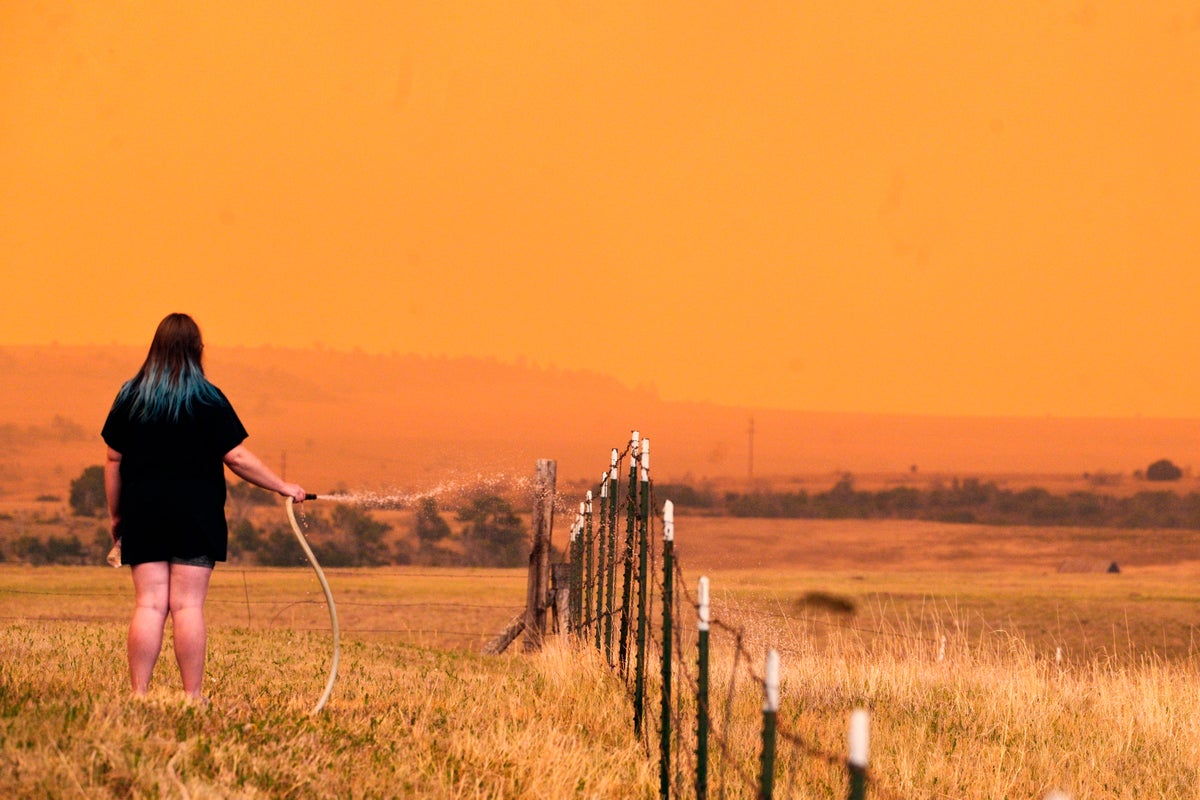
Wildfires spread in the West as residents face repeat evacuations
Multiple outlets report that fast-moving wildfires are spreading across parts of the western United States, driving grow...