


Multiple outlets explain that life forms in aquatic environments can differ from classic land-plant rules. One recurring point is that seaweeds are often described as plantlike, but they are not true plants; they belong to algae-like groups that use different biological strategies than vascular land plants. The articles also emphasize that aquatic flora can be highly adapted to underwater conditions, shaping how photosynthesis, nutrient uptake, and growth work in water rather than on land. Another shared theme is ecological importance: aquatic primary producers help support food webs and contribute to ecosystem function, including habitat provision for other organisms. Across the coverage, the authors argue that understanding aquatic flora requires looking beyond terrestrial categories and recognizing the diversity of forms and life strategies present in water. Together, the sources present a set of educational, science-based facts intended to clarify common misconceptions—particularly the distinction between seaweeds and true plants—and to highlight how varied and influential aquatic flora are in marine and freshwater environments.
Seaweeds and other aquatic flora: six surprising facts explained
Multiple outlets explain that life forms in aquatic environments can differ from classic land-plant rules. One recurring point is that seaweeds are often described as plantlike, but they are not true...
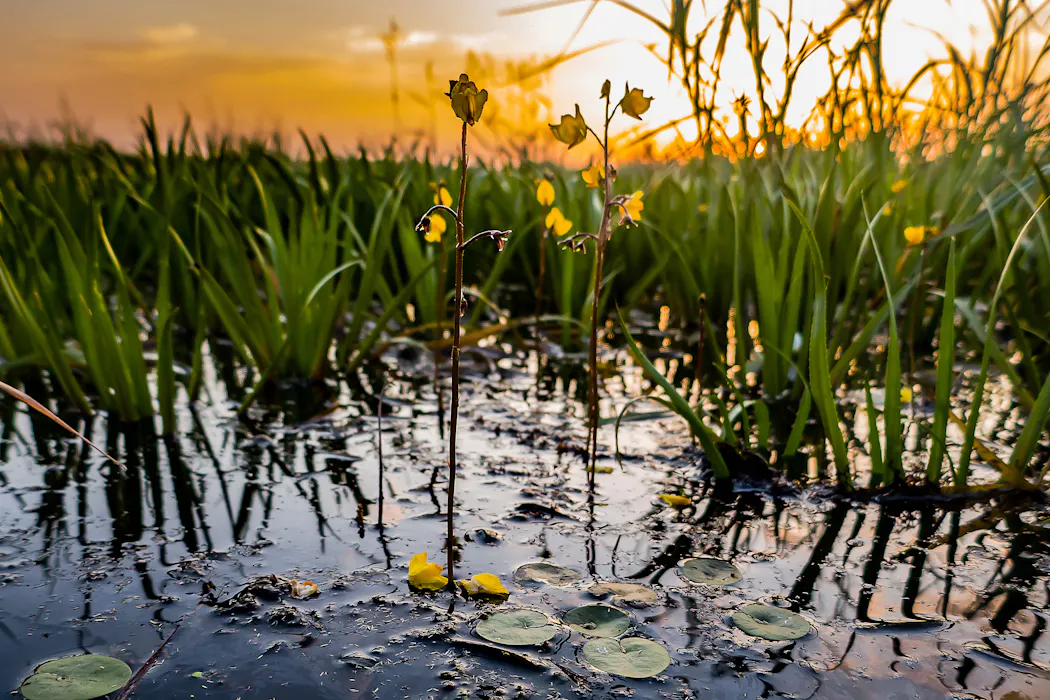
- Seaweeds are not true plants; they are algae-like organisms.
- Aquatic flora can follow different biological rules than land plants.
- Aquatic flora are adapted to underwater conditions for survival and growth.
- Seaweeds and other aquatic primary producers support ecosystems and food webs.
- The coverage focuses on correcting common misconceptions about aquatic plant life.
Hidden beneath the water's surface is a botanical world that is among nature's most innovative and ecologically important.
1 month agoThe rules for plants can be different in water.
1 month ago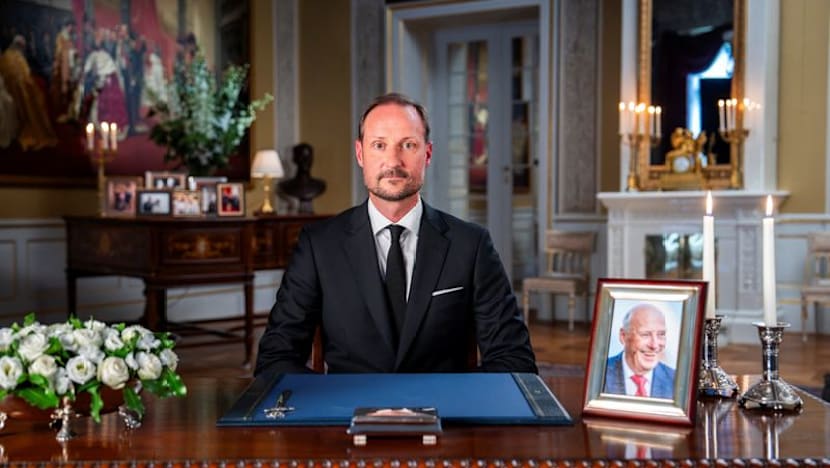
Norway’s King Haakon VIII honors late father Harald in first sovereign speech
Norway’s new King Haakon VIII delivers an emotional first address to the nation after becoming sovereign, paying tribute...

Shooting at Swiss rave near Aarau kills one and injures five
A shooting at a rave event in northern Switzerland near Aarau takes place in the early hours of Sunday, leaving one pers...

PC Andrew Harper killers to remain jailed after Andy Burnham changes early release scheme
Police officer PC Andrew Harper’s killers are set to remain in jail after Prime Minister Andy Burnham announces changes...