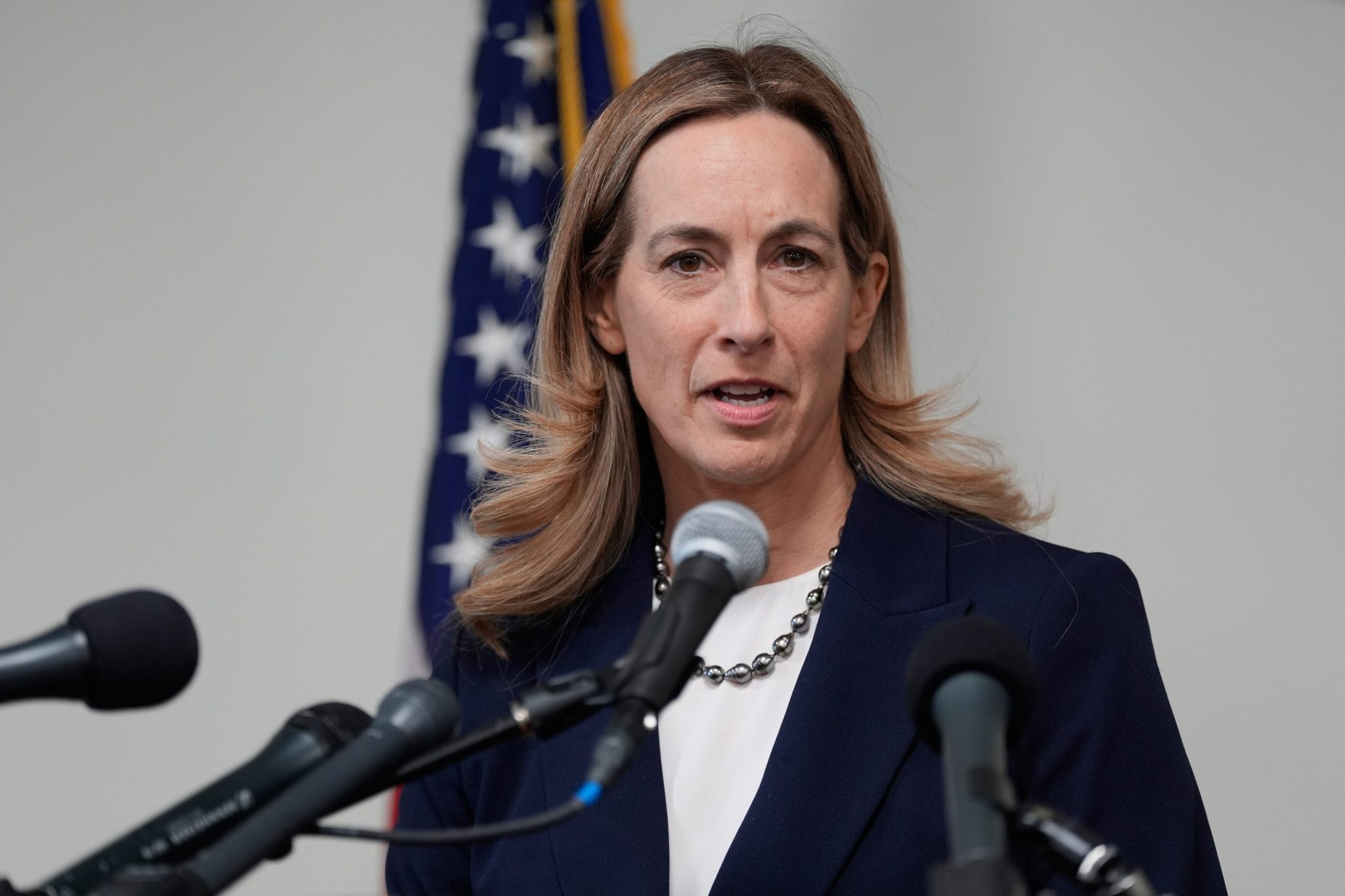
New Jersey is implementing new employer fees tied to workers and dependents enrolled in Medicaid, part of an effort by Democratic state leaders to help fund the joint federal-state program as federal changes are expected to increase costs for states and reduce coverage. Gov. Mikie Sherrill signed the measure after earlier approving a budget that relies on raising $145 million in the current year from the program.
Under the law, companies with at least 50 employees covered by Medicaid are billed per covered employee and their dependents. Fees begin at $325 per year for employers with 50 to 249 Medicaid beneficiaries and rise to $725 annually for employers with at least 500 recipients.
Similar employer-charge proposals are under consideration in other states. California’s recent legislation directs state officials to develop options for a fee next year. Connecticut’s Gov. Ned Lamont has also called for action that would be built into the state budget. Democratic lawmakers in these states cite federal policy changes that could require states to spend more to cover gaps.
Business groups and some left-leaning policy organizations oppose the charges, arguing employers may be penalized for factors they cannot control, and that fees could discourage hiring or Medicaid enrollment. Supporters say the approach improves fairness and shifts some costs from taxpayers to employers benefiting from Medicaid-covered workers.