


Fire shelters are widely used safety equipment for wildland firefighters when they face rapidly intensifying fires they cannot outrun. Multiple outlets explain that, while shelters can provide critical protection from extreme heat and flames during a wildfire’s most dangerous period, they do not ensure survival in every situation. The coverage focuses on the limits of shelters: firefighters still must decide when to deploy them and whether conditions allow them to remain inside long enough and in a survivable environment. It also notes that factors such as fire behavior, wind shifts, heat intensity, and how quickly a fire reaches a shelter can influence outcomes. In other words, shelters serve as a last-resort defense rather than a guarantee. The articles emphasize that firefighters rely on shelters as part of broader safety practices, rather than treating them as a fail-safe measure. Overall, the reporting presents fire shelters as essential protective gear that improves odds in extreme scenarios, while underscoring that survival depends on the specific conditions encountered.
Fire shelters help protect wildland firefighters, but survival is not guaranteed
Fire shelters are widely used safety equipment for wildland firefighters when they face rapidly intensifying fires they cannot outrun. Multiple outlets explain that, while shelters can provide critica...
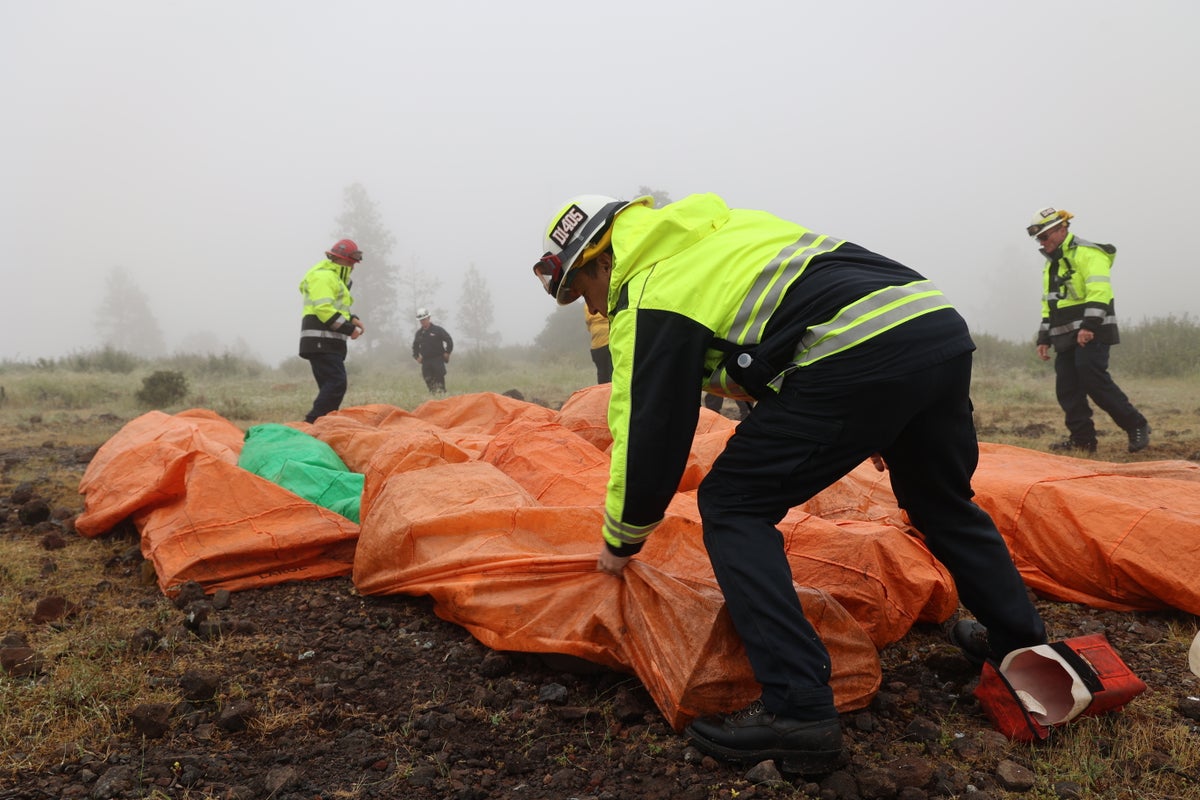
- Fire shelters are a key safety tool used by wildland firefighters during extreme wildfire conditions.
- Using a fire shelter can protect firefighters from heat and flames.
- Deploying a shelter does not guarantee survival.
- Fire outcomes and conditions influence whether shelter use is effective.
- Fire shelters function as part of broader wildfire safety practices, not a fail-safe.
Fire shelters are a key piece of equipment for wildland firefighters, but their use doesn't ensure survival
1 month ago
Iranian attacks reportedly damage US intelligence sites across the Middle East
Iranian missile and drone strikes damage US intelligence facilities and surveillance equipment across the Middle East, a...

Lampard praises Awoniyi after Coventry’s 4-2 Carabao Cup win over Plymouth
Coventry City manager Frank Lampard praises Taiwo Awoniyi after the club beats Plymouth Argyle 4-2 in a Carabao Cup seco...

Bodycam shows Jed York arrested in Ohio after alleged solicitation
San Francisco 49ers owner Jed York is arrested in Ohio, and police bodycam footage captures the incident. According to o...