


A study reported by multiple outlets finds that prolonged sedentary periods are linked to a higher risk of dying from cancer. Researchers tracked more than 90,000 people over about a decade and examined time spent sitting or lying down while awake in continuous stretches. The findings suggest that being sedentary for more than 30 minutes at a time each day is associated with an increased risk of cancer death, rather than total sitting time alone. Several reports also state that the risk rises further with each additional hour of continuous inactivity. Articles note that the data focus on cancer mortality and highlight the potential importance of breaking up long periods of sitting. In discussing implications, outlets suggest that even light activity—such as standing or moving briefly during the day—may help reduce risks associated with prolonged sedentary behaviour. Coverage varies mainly in how it describes practical takeaways, but the central result is consistent across sources: long, uninterrupted sitting or lying periods correlate with higher cancer death risk.
Sitting more than 30 minutes at a time linked to higher cancer death risk
Key Points
- Researchers track more than 90,000 people over around a decade.
- Sitting or lying down while awake for more than 30 minutes at a time is linked to higher cancer death risk.
- The associated risk increases with each additional hour of continuous inactivity.
- The findings emphasize breaking up long sedentary periods rather than focusing only on total sitting time.
- Light movement during breaks in sitting is discussed as a possible way to reduce sedentary-related risk.
15 sources
4 months ago
49 views

This summary is generated automatically from the reporting of the outlets listed on this page. Follow their links for the full coverage.
How Outlets Covered This Story
Related Stories

BepiColombo enters orbit around Mercury after eight-year journey, following reported software glitch
BepiColombo, a joint European mission, enters orbit around Mercury after an eight-year cruise, becoming only the second...
23 sources
3 days ago

Lean verification materials for a purported Riemann Hypothesis proof shared online
Several Hacker News posts highlight published materials related to a “Lean proof” of the Riemann Hypothesis. The links i...
2 sources
2 days ago
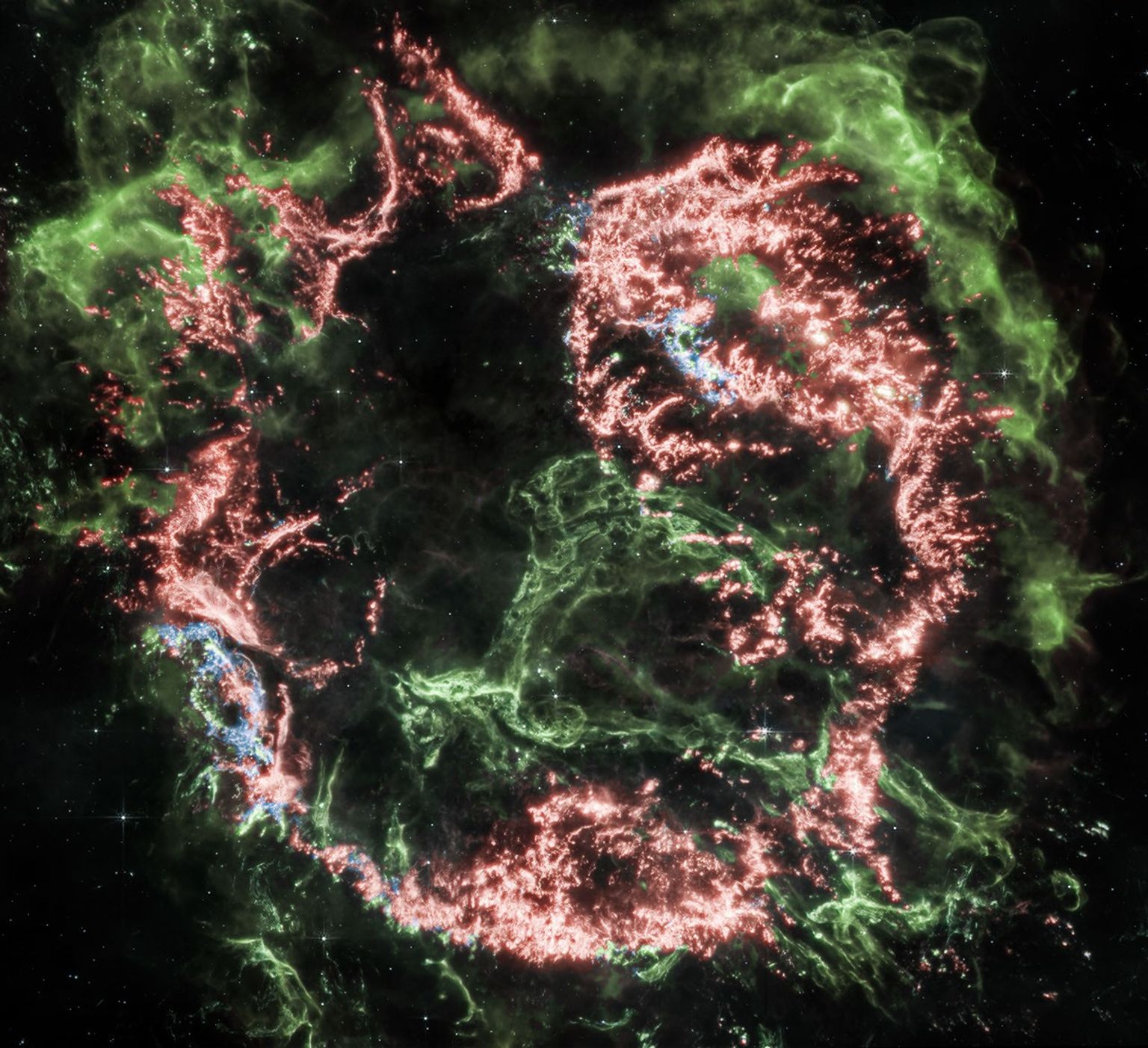
NASA’s James Webb maps dust and gas layers in Cassiopeia A supernova remnant
NASA’s James Webb Space Telescope observes the Cassiopeia A (Cas A) supernova remnant, showing how gas and dust left ove...
2 sources
7 hours ago