


Multiple outlets report that Russia’s economy is showing signs of strain as President Vladimir Putin’s government relies on heavy wartime spending to sustain the war in Ukraine. One report characterizes this approach as a “wartime spending model” that resembles “military Keynesianism,” designed to keep activity and output moving despite external pressures. The analysis argues that the model is increasingly costly and is beginning to lose momentum, with “sputtering” growth conditions described as an early warning sign. The same account links these economic pressures to broader risks, suggesting the approach is pushing Russia toward an “economic, political, and military” deterioration over time. While the reporting relies on assessments of economic performance and the structure of government spending, it does not provide a single, unified data set across sources. Instead, it synthesizes a theme: sustained high defense-related expenditures carry longer-term financial and operational trade-offs, which may affect economic stability and the government’s room to maneuver. Overall, the coverage presents a cautious view that Russia’s wartime economic strategy is becoming harder to sustain.
Reports say Russia’s economy is weakening amid wartime spending
Multiple outlets report that Russia’s economy is showing signs of strain as President Vladimir Putin’s government relies on heavy wartime spending to sustain the war in Ukraine. One report characteriz...
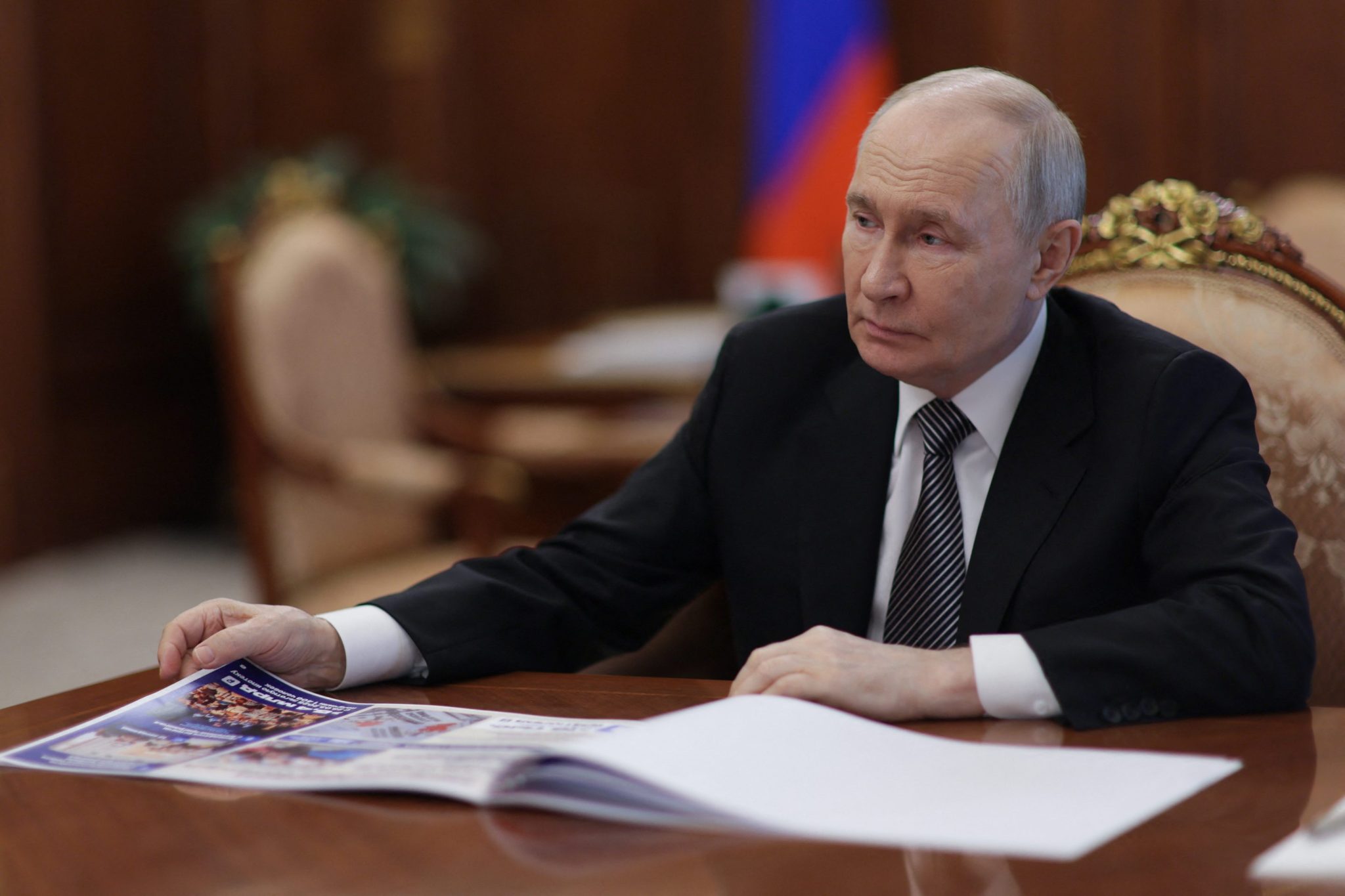
- Reports describe Russia’s economy as weakening or “sputtering.”
- Sources attribute the pressure in part to sustained wartime or defense-heavy spending tied to the war in Ukraine.
- One source characterizes the spending approach as resembling “military Keynesianism.”
- The reports warn of potential long-term risks extending beyond the economy to political and military conditions.
- Coverage frames the issue as early signs that Russia’s model may be losing effectiveness.
Putin built an economy based on “military Keynesianism” to survive the war in Ukraine. It’s showing signs of fatigue.
1 month ago
Iran says US sanctions and war pressure cut trade while Tehran vows to continue
Iranian officials acknowledge that war-related pressure and intensified U.S. sanctions are weighing on the country’s eco...

Jim O’Neill criticizes wealth and capital gains tax rises in Labour’s first Budget
Lord Jim O’Neill, a senior Labour ally, says it would be “stupid” to raise capital gains tax in the government’s first B...

Lorraine Kelly confirms her ITV return date after a lengthy break
Lorraine Kelly confirms when she will return to ITV after taking a lengthy break from her morning show. Both outlets rep...