


Japan’s annual labor-management wage negotiations, known as shunto, conclude with average pay increases topping 5% for a third consecutive year, according to reports. The outcome indicates continued upward wage momentum after prior rounds also delivered gains above that threshold. The results are closely watched for their implications for Japan’s broader inflation and monetary policy outlook. Multiple outlets note that the wage developments support the view that household pay growth remains firm, which can strengthen demand and help sustain inflation consistent with the central bank’s target. The reporting also links the wage outcome to expectations for the Bank of Japan’s policy direction. Specifically, the results are described as reinforcing the Bank of Japan’s stance to continue raising interest rates. Overall, sources present the settlement as a sign of economic resilience, while keeping attention on whether wage growth can remain sustained and translate into lasting price pressures and broader cost increases. The articles agree on the headline number—average gains above 5%—and the broader interpretation regarding monetary policy.
Japan’s 2026 wage talks deliver third straight year of pay gains above 5%
Japan’s annual labor-management wage negotiations, known as shunto, conclude with average pay increases topping 5% for a third consecutive year, according to reports. The outcome indicates continued u...
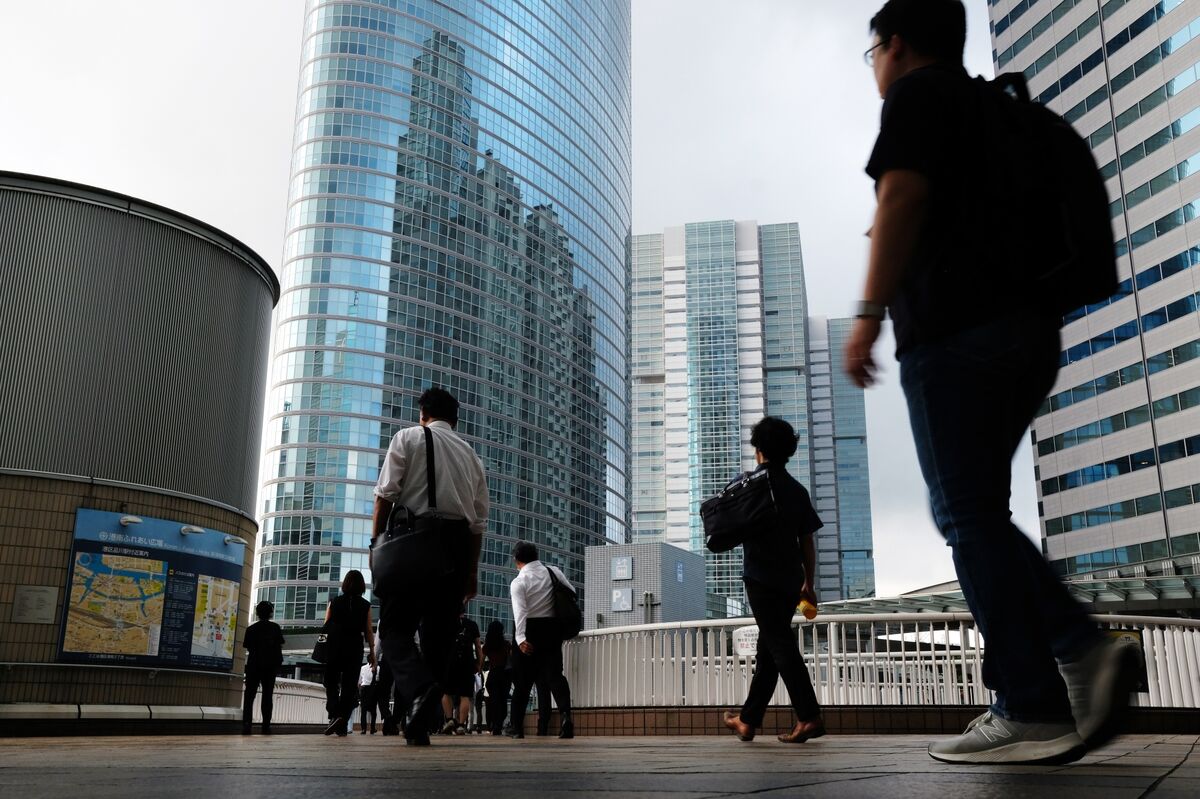
- Japan’s 2026 shunto wage negotiations conclude with average pay gains above 5% for the third consecutive year.
- The wage outcome is described as indicating ongoing economic resilience.
- Reports connect the wage growth to implications for inflation and consumer demand.
- The results are said to reinforce expectations that the Bank of Japan continues raising interest rates.
- All cited sources present the same core figure: average gains topping 5%.
Japan’s annual wage negotiations concluded with average pay gains topping 5% for a third year, underscoring the economy’s resilience and reinforcing the Bank of Japan’s stance to keep raising interest rates.
1 month agoJapan’s annual wage negotiations concluded with average pay gains topping 5% for a third year, underscoring the economy’s resilience and reinforcing the Bank of Japan’s stance to keep raising interest rates.
1 month ago
Nepal warns of more floods as Bhote Koshi water levels rise
Nepal issues fresh flood warnings as water levels rise in the Bhotekoshi (also spelled Bhote Koshi) River, urging reside...

Top 10 Indian firms’ market valuations diverge, with Bajaj Finance gains and HDFC Bank losses
India’s most-valued listed companies see wide swings in market capitalisation over the past week, with results varying s...

Warsh says Fed may need further action to counter persistent above-target inflation
Multiple outlets report that former Federal Reserve governor Kevin Warsh says the Fed still has work to do to fight infl...