


The reports describe a case in which a woman initially presents with symptoms resembling a migraine, but later develops facial numbness that raises concern for a stroke. The articles say the symptoms almost lead clinicians to discharge her with a presumed migraine rather than investigate for stroke. As her condition evolves, medical assessment focuses on ruling out stroke and ensuring urgent care. The story is used alongside broader health information, with all sources citing that an estimated 55,000 Australians experience a stroke each year. They note that outcomes can vary depending on where people live, reflecting differences in access to timely treatment and care pathways. Although the outlets differ in detail, they present the same overall sequence: migraine-like symptoms, delayed recognition risk, subsequent facial numbness, and the need for clinicians to consider stroke even when presentation is atypical. The articles emphasize that prompt evaluation of neurologic symptoms is important to avoid missing serious conditions, especially when symptoms can initially look like other illnesses.
Woman’s migraine-like symptoms prompt stroke concerns after facial numbness
The reports describe a case in which a woman initially presents with symptoms resembling a migraine, but later develops facial numbness that raises concern for a stroke. The articles say the symptoms...
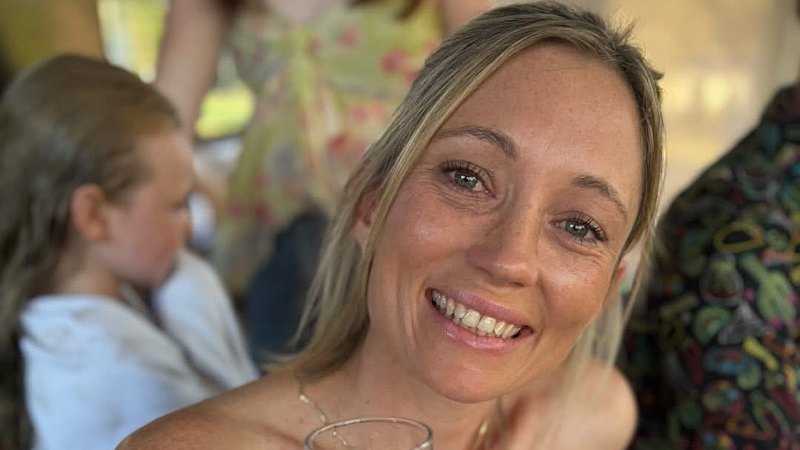
- A woman has migraine-like symptoms and later experiences whole-face numbness.
- Doctors almost treat the episode as a migraine and consider sending her home.
- Facial numbness triggers concern for stroke and leads to further medical evaluation.
- All sources cite an estimate of about 55,000 strokes in Australia each year.
- The sources state stroke outcomes can vary by location, reflecting differences in access to timely care.
An estimated 55,000 Australians suffer stroke each year, with varying outcomes depending on where they live.
1 month agoAn estimated 55,000 Australians suffer stroke each year, with varying outcomes depending on where they live.
1 month agoAn estimated 55,000 Australians suffer stroke each year, with varying outcomes depending on where they live.
1 month ago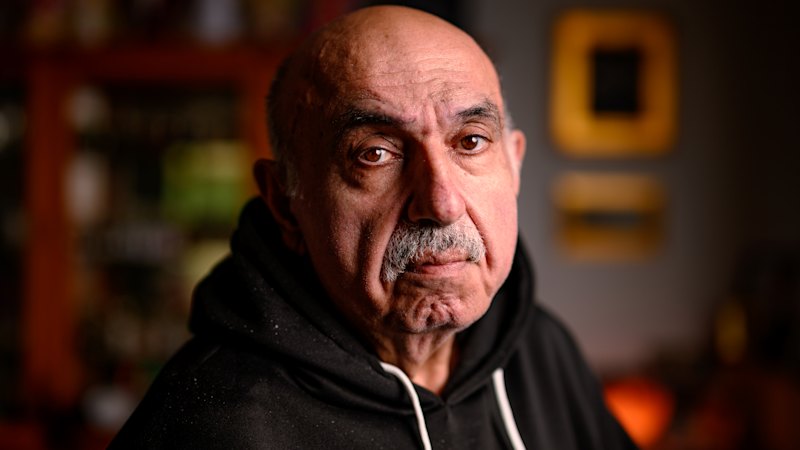
Man waits over 77 hours in Sydney emergency, leaves without completing treatment
A 70-year-old man spends more than 77 hours in Bankstown emergency department after his left leg swells to almost double...

Man dies after train hits van at level crossing in Burscough
A man dies after a train strikes a van at a level crossing in Burscough. British Transport Police (BTP) says it is calle...

David Beckham praises Scottish wilderness expert during Scotland birthday trip
David Beckham praises a Scottish wilderness expert after a birthday trip to Scotland, sharing positive comments about th...