


Asia’s energy importers are using the ongoing conflict in the Persian Gulf to reassess energy security, according to multiple reports. Even with no lasting peace deal in place, about four months of war have prompted policymakers and market participants across Asia to focus on resilience measures. The main lessons center on building larger supply buffers, which can help countries manage disruptions and price spikes if shipping lanes or production are affected. Sources also point to the need for a wider range of fossil-fuel suppliers to reduce reliance on any single source of oil, gas, or coal. In addition, the region is emphasizing the importance of diversifying the overall power-generation mix, including balancing fossil fuels with alternative energy sources to lessen exposure to fuel-specific risks. While the reports do not cite detailed policy timelines or specific company actions, they converge on the same general priorities: strengthen contingency inventories, diversify supply contracts and origins, and adjust energy portfolios to improve flexibility during geopolitical shocks. The overall theme is that ongoing regional instability is accelerating planning for continuity of energy access.
Asia draws lessons on energy security from the Iran crisis
Asia’s energy importers are using the ongoing conflict in the Persian Gulf to reassess energy security, according to multiple reports. Even with no lasting peace deal in place, about four months of wa...
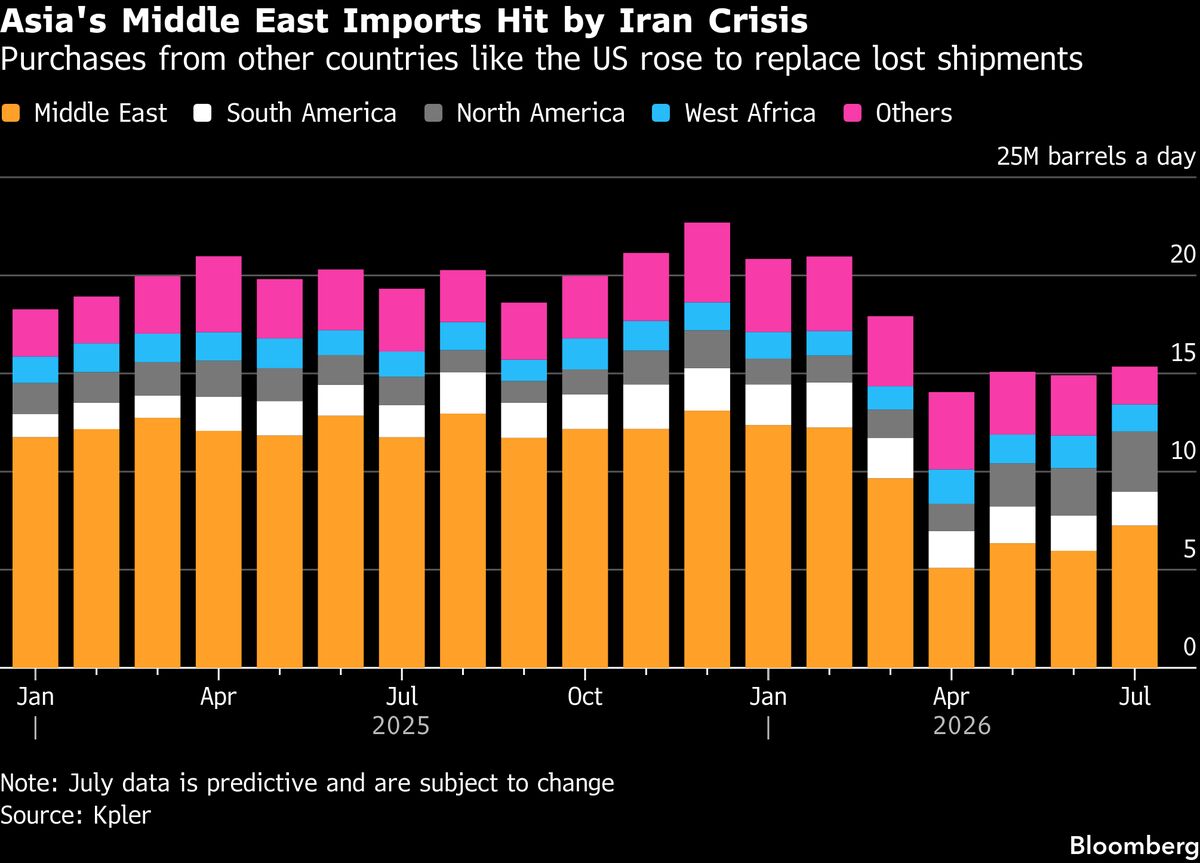
- No lasting peace deal is in place in the Persian Gulf, amid ongoing war.
- Asian energy users are drawing lessons from roughly four months of conflict.
- They emphasize the need for bigger energy supply buffers to manage disruption risk.
- They call for greater diversity of fossil-fuel suppliers to reduce reliance on single sources.
- They highlight improving the mix of power sources to increase resilience.
The region is realizing that it needs bigger buffers, a greater diversity of fossil-fuel suppliers, and a better mix of power sources overall.
1 month agoThere is still no lasting peace deal in the Persian Gulf, but energy-hungry Asia is already drawing energy lessons from four months of war: it needs bigger buffers, a greater diversity of fossil-fuel suppliers, and a better mix of power sources overall.
1 month agoThere is still no lasting peace deal in the Persian Gulf, but energy-hungry Asia is already drawing energy lessons from four months of war: it needs bigger buffers, a greater diversity of fossil-fuel suppliers, and a better mix of power sources overall.
1 month ago
Treasury staff member’s father says safeguarding failures contributed to death
The father of Chloe Moffat, a 26-year-old Treasury worker who died by suicide in May 2025, says the department failed in...

Gatwick first-half profits fall as passenger numbers drop amid Iran war
Gatwick Airport reports lower first-half profits, attributing the decline to fewer passengers using its terminals amid t...

Multiple company earnings calls report 2026 results across diverse sectors
Companies including Grab, Booking Holdings, Upstart, WillScot, Pet Valu, Cadre, Centuri, HMC Capital, GT Capital, Hovnan...