


Reports describe how football takes root in Rander, a locality in Surat, in the early 1900s. According to the accounts, traders travelling along the Burma route stop in Kolkata and bring the sport back to the community, helping establish local play. The sources state that participation cuts across religious lines, with both Hindu and Muslim residents playing on the same side. They also describe football as a shared community event that endures beyond periods of unrest. Even during times of riots, the locality’s own football “World Cup” continues, anchored by the Hansia Shield, which is repeatedly mentioned as the tournament that keeps the tradition active. One source also references the prominence of local leadership in football, noting that three brothers have captained a Baroda football team, illustrating the regional connections and involvement of players and organizers beyond Rander itself. Overall, the pieces present football in Rander as a century-long community tradition shaped by early transportation and trading networks, inclusive participation, and resilience in the face of social disruptions.
Rander’s long-running football culture traced to early 1900s trade links
Reports describe how football takes root in Rander, a locality in Surat, in the early 1900s. According to the accounts, traders travelling along the Burma route stop in Kolkata and bring the sport bac...
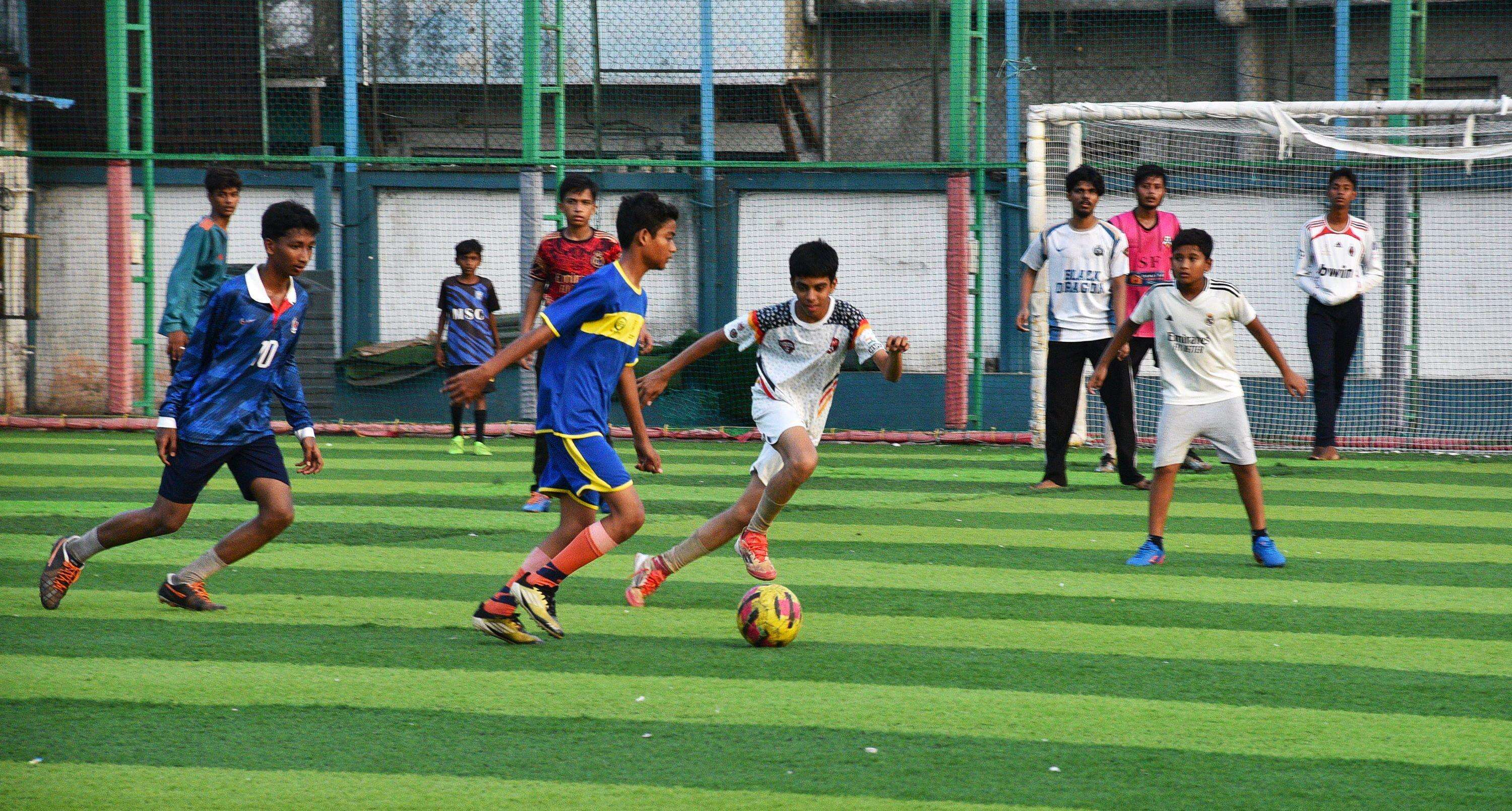
- Football reaches Rander in the early 1900s, carried by traders linked to the Burma route who had played or learned the sport in Kolkata.
- The community’s football culture includes both Hindu and Muslim residents playing together.
- Rander maintains its own annual football competition described as a “World Cup,” centered on the Hansia Shield.
- Local tradition is described as continuing even during periods of riots.
- Sources also mention local football leadership, including three brothers who captained a Baroda team.
Football Came To This Surat Locality In The Early 1900s Through Traders Who Picked It Up During Their Halts In Kolkata On The Burma Route. Hindu or Muslim, Everyone Here Plays On The Same Side. Even Riots Could Not Stop Rander’s Own ‘World Cup’ — The Hansia Shield
1 month agoFootball Came To This Surat Locality In The Early 1900s Through Traders Who Picked It Up During Their Halts In Kolkata On The Burma Route. Hindu or Muslim, Everyone Here Plays On The Same Side. Even Riots Could Not Stop Rander’s Own ‘World Cup’ — The Hansia ShieldThree brothers captained the Baroda football team
1 month ago
Francis Uzoho bids farewell after leaving AC Omonia for Omonia 29is Maiou
Nigerian Super Eagles goalkeeper Francis Uzoho leaves Cypriot club AC Omonia after his move to Omonia 29is Maiou. He pos...

Cowboys trade with Steelers to acquire offensive tackle Broderick Jones
The Dallas Cowboys acquire offensive tackle Broderick Jones from the Pittsburgh Steelers in a trade ahead of the 2026 NF...
Australian families wait for word on loved ones missing after Nepal flash floods
Families of Australians missing after deadly flash floods in Nepal are waiting anxiously for updates, with communication...