


Ric Perna, who worked for years in a factory producing cancer-detection machines, says his job exposed him to a toxic workplace chemical that led to the development of a terminal blood cancer. Both outlets report that Perna was unaware of the link between the chemical exposure and his illness during his employment. They state that Perna pursued compensation, arguing that his cancer should qualify for a fair payout due to the severity and terminal nature of his condition. WorkSafe’s position, as described in the articles, is that Perna’s illness does not meet the level of severity required to be assessed as “sick enough” for a fair payout. The reports provide the broad outline of Perna’s work history, his diagnosis, and the dispute over the compensation outcome, while describing WorkSafe as questioning whether the threshold criteria are satisfied. The two sources align on the central facts: Perna has terminal cancer, he attributes it to workplace chemical exposure, and WorkSafe challenges the compensation level on grounds related to severity.
WorkSafe disputes compensation claim for man with terminal cancer
Ric Perna, who worked for years in a factory producing cancer-detection machines, says his job exposed him to a toxic workplace chemical that led to the development of a terminal blood cancer. Both ou...
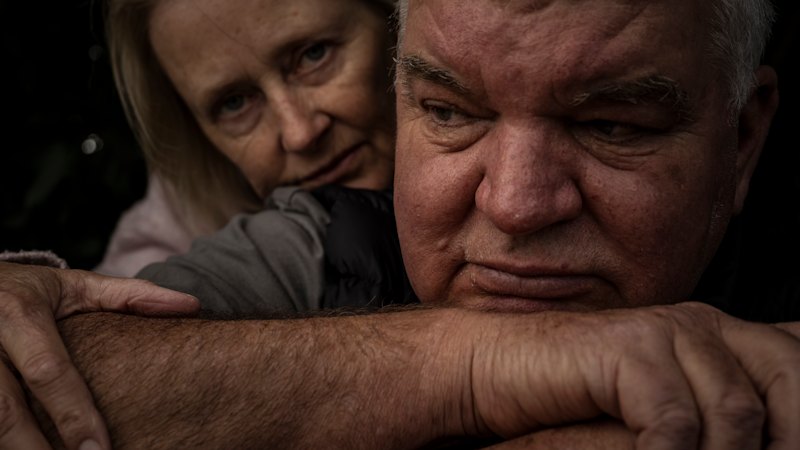
- Ric Perna has terminal blood cancer, according to reports.
- Perna worked for years in a factory making cancer-detection machines.
- Both outlets say Perna attributes his cancer to exposure to a toxic workplace chemical.
- WorkSafe disputes Perna’s compensation claim, saying his condition is not sufficient to receive a fair payout.
- The reporting describes a dispute focused on whether severity meets compensation thresholds.
Ric Perna spent years at a factory making cancer-detection machines, unaware that a toxic workplace chemical was causing a terminal blood cancer to develop in his own body.
1 month agoRic Perna spent years at a factory making cancer-detection machines, unaware that a toxic workplace chemical was causing a terminal blood cancer to develop in his own body.
1 month ago
Laurel Hill, daughter of Smart Missile, targets Wagga win
Laurel Hill, a mare sired by dual Group 1 winner Smart Missile, is tipped as a strong contender for victory at Wagga on...

Toto Wolff says he is not disappointed by Verstappen’s Red Bull contract extension
Mercedes team principal Toto Wolff says he is “not at all” disappointed by Max Verstappen signing a new Red Bull contrac...

Luke Gosling steps aside as Solomon byelection concerns continue
Northern Territory MP Luke Gosling has stepped aside, but political uncertainty remains around the federal seat of Solom...