


Recovered or newly exposed remnants of Second World War coastal defenses continue to surface on beaches and shorelines, prompting questions about why the structures were built and how they survive. The reporting focuses on wartime fortifications designed to strengthen Britain’s coastal defenses during the war, including physical features intended to slow, deter, or disrupt enemy landings. As tides, storms, and erosion shift sand and sediment, parts of these defenses can become visible again after being buried for decades. The articles explain that many coastal defense elements were constructed to be durable and to function in exposed coastal conditions, which helps them endure even as the surrounding landscape changes. The emergence of these remains is therefore not a sign that new construction is occurring, but rather the result of natural coastal processes revealing what was previously laid in place. The coverage also frames the relics as historical evidence of wartime planning and engineering, linking their continued presence to ongoing coastal erosion and sediment movement that periodically brings them back into view.
Why WW2 beach relics still appear along coastlines
Recovered or newly exposed remnants of Second World War coastal defenses continue to surface on beaches and shorelines, prompting questions about why the structures were built and how they survive. Th...
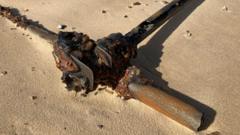
- Second World War coastal defenses are being exposed on beaches as sand and sediment shift.
- Erosion, tides, and storms can uncover wartime structures that had been buried for decades.
- The relics are remnants of fortifications built to strengthen coastal defenses during the war.
- The structures’ materials and coastal placement help some elements last long enough to reappear.
- Their visibility is largely driven by natural coastal processes rather than recent construction.
As the remains of wartime coastal defences emerge, the BBC looks at how and why they were built.
1 month ago
Liquefied petroleum gas tanker pays record fare for priority Panama Canal transit
A liquefied petroleum gas (LPG) tanker pays a record transit fee for priority passage through the Panama Canal, accordin...
Trump announces U.S. agreement for majority control of Venezuela’s 65 billion barrels of oil reserves
President Donald Trump says the United States has entered an agreement with Venezuela that would give the U.S. majority...

Two police officers named after fatal A66 crash near Middlesbrough
Two police officers, PCs Matthew Blades, 37, and Tom Clough, 38, are killed in a crash on the A66 near Middlesbrough. Th...