


South Korea plans to create a “Future Response Fund” financed by additional tax revenue generated by the AI-driven semiconductor boom, South Korean officials say. Reporting based on remarks from presidential chief of staff Kang Hoon-sik and President Lee Jae Myung, the government says record profits and strong global demand for advanced AI memory chips at companies including Samsung Electronics and SK hynix are boosting tax receipts. Officials say the fund is intended to convert the windfall into long-term investment resources rather than spending the extra revenue “carelessly.” The proposed uses include financing major national projects tied to AI and semiconductors and strengthening the country’s long-term industrial competitiveness. Sources also describe support for broader social and economic goals, including reducing inequality and helping people in their 20s and 30s with priorities such as housing access, startup support, and employment. Yonhap is cited by multiple outlets as reporting on the plan. The government says it will decide on allocation details at an upcoming fiscal strategy meeting before seeking public feedback; officials do not provide a target size for the fund.
South Korea to create “Future Response Fund” from AI chip tax windfall
South Korea plans to create a “Future Response Fund” financed by additional tax revenue generated by the AI-driven semiconductor boom, South Korean officials say. Reporting based on remarks from presi...
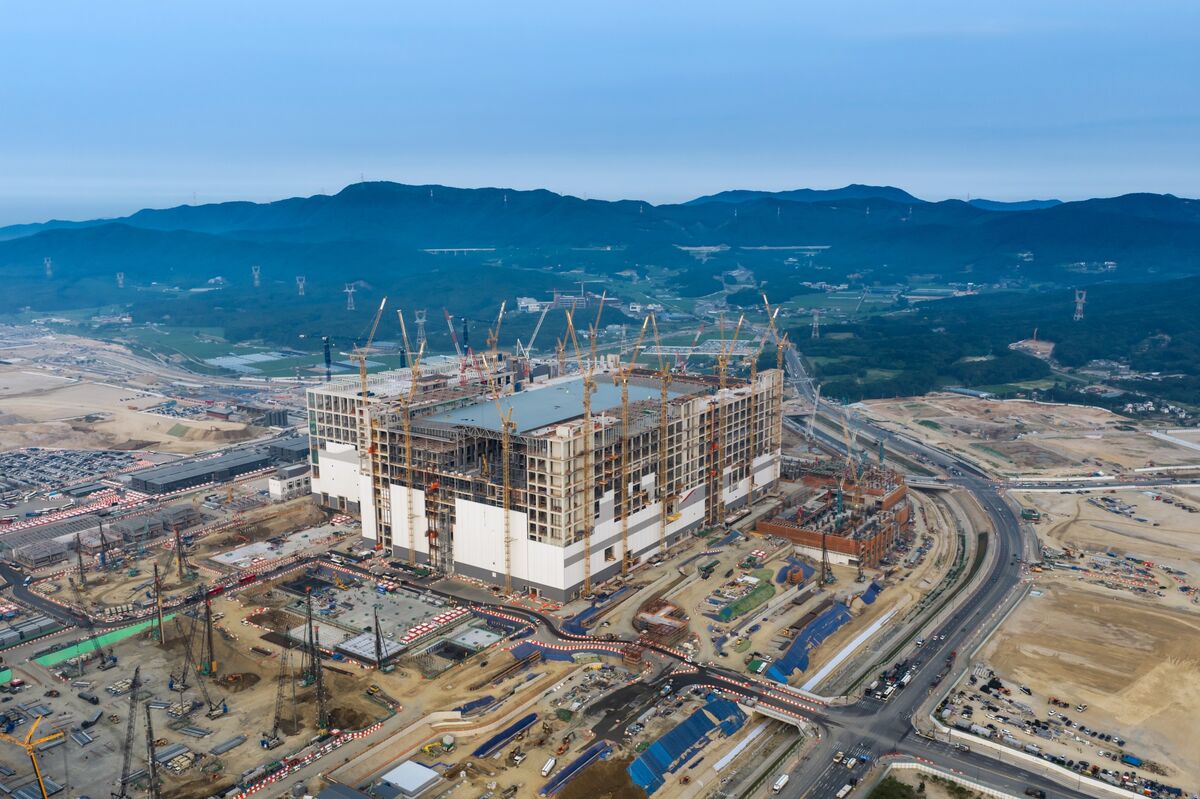
- South Korea’s government plans a new “Future Response Fund” financed by additional tax revenue from the AI semiconductor boom.
- Officials link the windfall to higher profits and tax receipts from leading chipmakers, including Samsung Electronics and SK hynix.
- The fund is intended to support long-term national projects related to AI and semiconductors and to strengthen future competitiveness.
- Planned uses also include measures aimed at younger people and reducing inequality, including housing, startup support, and jobs.
- The government says it will set allocation plans at a fiscal strategy meeting and then seek public feedback; no fund size is stated in the reports.
South Korea expects to reap a record tax windfall from the artificial intelligence-driven semiconductor boom, giving President Lee Jae Myung’s government fresh fiscal firepower to fund an ambitious investment agenda.
1 month agoPresident Lee Jae Myung said Monday that the government will use additional tax revenue expected from the ongoing semiconductor boom to create a "future response fund" aimed at investing in future industries and policies for younger generations. The president made the remarks during a meeting on state financial strategies, as the country is expected to collect higher tax revenue thanks to chipmakers' record high earnings driven by the artificial intelligence (AI) semiconductor boom. "Large-scale extra tax revenues will be used as strategic financial resources to prepare for the future," Lee said.
1 month agoSouth Korea's government plans to use additional tax revenue generated by the country's artificial intelligence (AI) semiconductor boom to establish a fund for public infrastructure and future-focused projects, according to the presidential office.AI chip boom boosts revenueThe surge in global demand for advanced memory chips used in AI data centres has driven record profits for leading chipmakers Samsung Electronics and SK hynix, contributing to stronger economic growth and significantly higher government tax revenues.During a meeting between the government and the ruling party on Sunday, presidential chief of staff Kang Hoon-sik said the proposed "future response fund" would finance major projects centred on AI and the semiconductor sector."The excess tax revenue generated from the semiconductor boom at this critical moment for Korea's future should not be spent carelessly," Kang said.He added that the fund would also be used to reduce inequality and help young people access housing, launch startups and secure employment. The government will decide how to allocate the funds at a fiscal strategy meeting later this month before seeking public feedback. Kang did not disclose the expected size of the fund.PM Modi Arrives In Indonesia To Strengthen Act East Policy And Indo-Pacific VisionInvestment in chip infrastructureIn an interview with the Dong-A Ilbo daily published on Monday, Kang said part of the fund would be directed towards expanding infrastructure supporting semiconductor manufacturing, including electricity and water supplies.Samsung's shares climbed more than 170% in the first half of the year, while SK hynix gained over 300%, pushing the combined market capitalisation of the two companies beyond $1 trillion.Samsung is expected to report strong preliminary second-quarter earnings on Tuesday. Meanwhile, SK hynix plans to raise 45 trillion won ($29 billion) through a Nasdaq listing.Last week, the two companies announced an 800 trillion won (around $520 billion) public-private investment to build a new semiconductor fabrication hub in southwestern South Korea.Also Watch:Debate over use of tax revenueThe AI-driven semiconductor boom has sparked debate over how the additional tax revenue should be utilised.In May, presidential chief policy secretary Kim Yong-beom proposed using the excess revenue to support startups, assist young people, expand basic income programmes for rural and fishing communities, and provide support for artists.The industry's rapid growth has also strengthened workers' demands for better wages. Samsung avoided a major strike in May after reaching an agreement with its largest labour union on employee bonuses.
1 month agoSouth Korea Plans Investment Fund From Chip Tax Revenue At a time when chip and memory companies are disproportionately receiving the benefits of hundreds of billions in capex, and a growing number of politicians are consider ways to socialize these outsized gains, Yonhap News reported that South Korea plans to create an investment fund using tax revenue from its burgeoning semiconductor industry to finance long-term economic growth. In a senior-level meeting of the government and the ruling party, presidential chief of staff Kang Hoon-sik said the additional revenue from the country’s chip industry should be invested for future growth, the news agency reported. “By launching the fund with the extra tax revenue, we aim to make bold investments for the future, including supporting the three mega projects, creating future growth engines, addressing K-shaped polarization, and supporting housing, startups and jobs for those in their 20s and 30s,” Kang said. South Korea recently unveiled its three mega projects initiative, which involves significant investment in semiconductors, physical AI and data centers. Investments of at least 1,350 trillion won ($880 billion) from companies including Samsung Electronics and SK Hynix will be made, as the government looks to strengthen the country’s long-term competitiveness and position itself as an AI powerhouse. Samsung Group and SK Group said they plan to build two chipmaking plants apiece in the southwest for a total of 800 trillion won, to rapidly expand production capacity to meet increasing demand. South Korea also announced 550 trillion won of investment from companies including internet leader Naver Corp. to build 8.4 gigawatts of AI data-center capacity by 2029. The country aims to double its memory production capacity within five years and secure world-class manufacturing capabilities to pull far ahead of competing nations, the industry ministry said in a statement. South Korea must move faster than its global rivals to secure leadership in chips, data centers and physical AI, President Lee Jae Myung said at a briefing where he called the Samsung and SK Hynix leaders “national heroes.” Kang said the mega projects will help create new growth engines to determine the country’s future over the next 20 to 30 years, Yonhap added. Tyler Durden Sun, 07/05/2026 - 20:58
1 month agoSouth Korea will seek to create a “future response fund” financed by the tax windfall from its semiconductor boom, Yonhap reported. The proceeds would flow into AI, advanced manufacturing, and other long-term growth engines. Presidential chief of staff Kang Hoon-sik said the fund would turn the extra tax revenue into investment resources for future generations. The government […] This story continues at The Next Web
1 month agoThe government plans to establish a new fund to effectively invest windfall tax revenue generated by the semiconductor industry’s artificial intelligence (AI)-driven boom, presidential chief of staff Kang Hoon-sik said Sunday. He explained that the fund is intended to finance future priorities and challenges, including the government's three industrial megaprojects unveiled last week, as well as support for people in their 20s and 30s. "We must not spend the additional tax revenue resulting from the semiconductor upturn carelessly at this critical moment that will determine Korea's future," Kang said during a high-level meeting between the government and the ruling Democratic Party of Korea (DPK) at the prime minister’s official residence in Seoul. He went on to say the Lee Jae Myung administration plans to establish what he called a "future response fund" to use additional tax revenue as a "source of investment for future generations." “The creation of the future response fund will lay the foundation for realizing an ‘irreplaceable Korea,’” he added, calling for close cooper
1 month ago
Impeachment process against Ondo House of Assembly Speaker Olamide Oladiji underway
The Ondo State House of Assembly spokesperson says the impeachment process against Speaker Olamide Oladiji is actively o...

Patriots and cornerback Christian Gonzalez remain apart in extension talks
New England Patriots cornerback Christian Gonzalez says he is frustrated that a long-term contract extension has not yet...

Two Frankfurt Airport Workers Die as Six Contract Malaria After Mosquito Bites
Two workers at Frankfurt Airport in Germany die after contracting malaria in an unusual cluster of cases. Airport operat...