


Several outlets report that a South Korean shipping magnate, Ga-Hyun Chung, played a key role in covert “shuttle runs” that move crude oil out of the Persian Gulf via the Strait of Hormuz during the Iran war. The accounts describe a UAE-backed project that uses Chung’s supertankers to keep oil flows moving despite wartime conditions, including periods when the US and Iran later sign interim steps toward peace. According to the reports, the operation is quickly described as highly successful, with UAE-linked flows moving toward pre-war levels by the time of the interim peace deal. Other coverage focuses on how maritime freight markets respond as the situation evolves. It says freight rates spike early, then soften after a peace agreement, while indications that more ships are entering the Gulf help reduce pressure—though rates remain elevated compared with historical norms. Across sources, the central elements are the covert shuttle-run operation through Hormuz, its reported role in maintaining or restoring flow volumes, and the related impact on tanker freight pricing.
Korean shipping magnate reportedly profits from covert Strait of Hormuz oil shipments
Several outlets report that a South Korean shipping magnate, Ga-Hyun Chung, played a key role in covert “shuttle runs” that move crude oil out of the Persian Gulf via the Strait of Hormuz during the I...
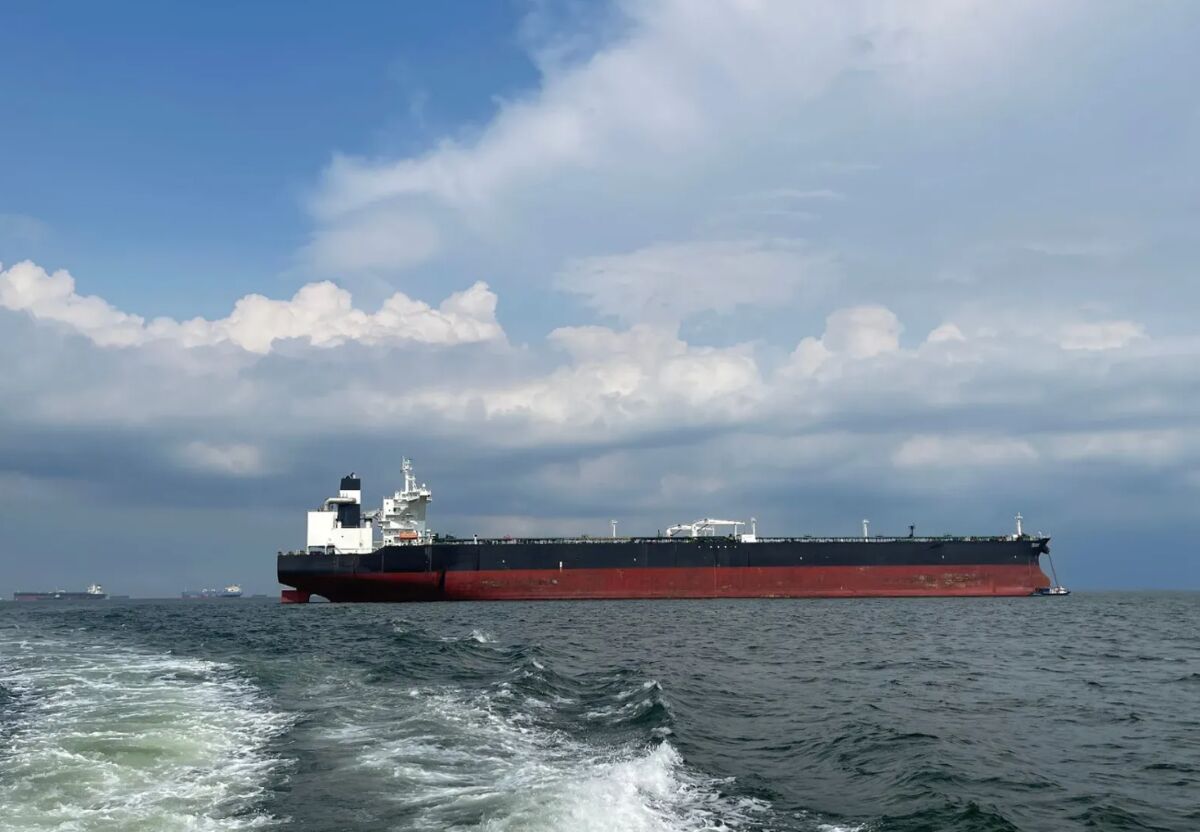
- Ga-Hyun Chung, a South Korean tanker magnate, is reported to oversee covert crude oil “shuttle runs” via the Strait of Hormuz.
- The shipments reportedly occur during the Iran war and are described as UAE-linked or UAE-backed.
- Multiple reports say the operation reaches a scale that brings oil flows close to pre-war levels by the time of the US–Iran interim peace deal.
- Tanker freight rates initially rise and then ease after a peace agreement as more ships enter the Gulf, though rates remain above historical norms.
- The reports collectively characterize the Hormuz shipments as clandestine or “dark,” rather than openly declared operations.
How a private Korean shipping magnate quietly built a supertanker empire and cashed in on the UAE's risky Hormuz oil shuttle runs
1 month agoFreight rates have dropped after an initial surge following the peace deal, as it becomes more apparent that more ships are entering the Gulf, but still remain high by historical standards.
1 month agoGa-Hyun Chung oversaw a successful covert project that sneaked crude oil out of the Persian Gulf through the vital waterway during the Iran war.
1 month agoThe UAE’s covert project using the South Korean shipping magnate’s tankers is so successful it is already approaching its pre-war rate of flows of oil.
1 month agoThe UAE’s covert project using the South Korean shipping magnate’s tankers is so successful it is already approaching its pre-war rate of flows of oil.
1 month agoThe UAE’s covert project using the South Korean shipping magnate’s tankers is so successful it is already approaching its pre-war rate of flows of oil.
1 month ago
KOSPI swings on Iran hopes and semiconductor sentiment as traders reassess gains
South Korean stocks trade higher and lower in sharp intraday moves as investors react to shifting signals from global ma...

Omnicom Group reports Q2 2026 results amid ongoing performance and outlook updates
Omnicom Group Inc. reports its Q2 2026 results through an earnings call and associated presentation, with management out...

U.S. disrupts Chinese hacking operation targeting DOJ, NASA, Federal Reserve and Senate
The United States says it has disrupted a Chinese-linked hacking operation that compromised or attempted to compromise U...