


Across East Africa’s coastline, climate change and industrial fishing are reducing fish stocks and threatening the livelihoods of people who depend on the ocean, according to multiple reports. The coverage describes how women in coastal communities are shifting to new income activities as traditional fishing becomes less reliable. In Kenya, women are reported to be developing community-based tourism ventures, restoring mangroves, and pursuing other nature-based enterprises. These changes are framed as both an immediate response to declining catches and part of a broader regional effort to strengthen coastal resilience. The reports also link the environmental pressures to wider economic impacts for coastal households, highlighting that women are particularly affected by reduced access to fish and related marine resources. While the accounts emphasize women-led adaptation strategies, they also describe the drivers of change—warming seas, changing marine conditions, and industrial fishing—and suggest that reducing pressure on coastal ecosystems and supporting alternative livelihoods are key to maintaining income for affected communities. The stories draw parallels across the region, portraying adaptation as an emerging pattern along East Africa’s coasts.
East African coastal women adapt to climate change and declining fish stocks
Across East Africa’s coastline, climate change and industrial fishing are reducing fish stocks and threatening the livelihoods of people who depend on the ocean, according to multiple reports. The cov...

- Climate change and industrial fishing are undermining livelihoods along East Africa’s coasts.
- Declining fish stocks reduce income for people who depend on fishing and marine resources.
- In Kenya, women are adopting alternative livelihoods such as community tourism.
- Some women also participate in mangrove restoration and other nature-based enterprises.
- The reported changes reflect a wider regional push to improve coastal resilience.
MALINDI, Kenya (AP) — Across East Africa’s coastline, climate change and industrial fishing are threatening the livelihoods of millions who depend on the ocean. In Kenya, women are turning to community tourism, mangrove restoration and other nature-based enterprises as declining fish stocks force them to adapt. Their experiences mirror a regional push to strengthen coastal […]
1 month agoAcross East Africa’s coastline, climate change and industrial fishing are threatening the livelihoods of millions who depend on the ocean
1 month ago
Iran says Strait of Hormuz will stay closed unless US meets stated conditions
Iran says the Strait of Hormuz will remain closed to shipping unless the United States agrees to a set of conditions. Ir...
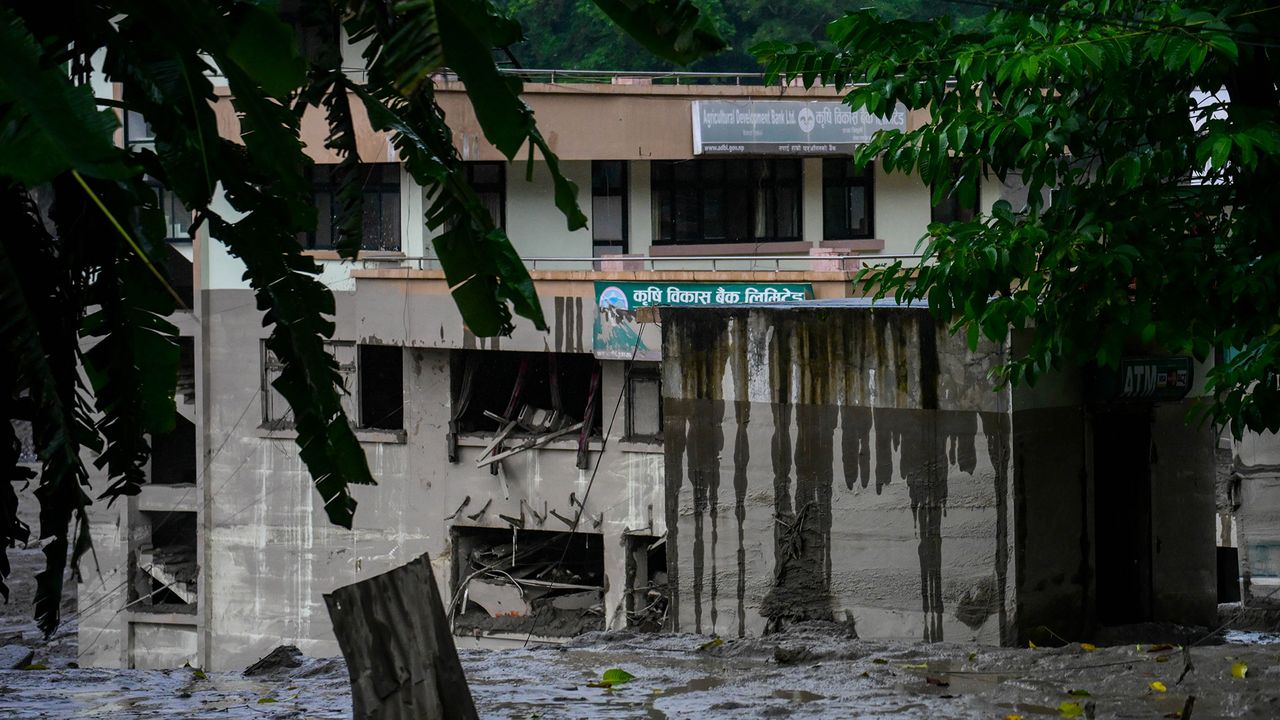
Glacial collapse in Nepal triggers floodwaters along Nepal–Tibet border
A large chunk of glacier ice collapses in Nepal’s mountainous border region with Tibet and rapidly releases water, debri...

Tropical Storm Dolly forms in the Atlantic, with heavy rain possible across the Caribbean
Tropical Storm Dolly forms in the Atlantic Ocean and forecasters say it could bring heavy rain to parts of the Caribbean...