
Multiple outlets discuss concerns that Zimbabwe’s higher education system may not be producing enough graduates with skills that the labour market demands, even as many employers report skills shortages. The articles frame the issue as a contradiction: large numbers of graduates complete university expecting their qualifications to lead to work, but many struggle to find meaningful employment. At the same time, employers continue to claim they lack certain competencies. The pieces raise the question of whether universities are aligning training with the needs of the economy, particularly as global education and work patterns shift. They also point to the relevance of broader changes associated with China’s approach to restructuring degrees, using it as context for considering how countries could update curricula and qualifications. Overall, the sources call attention to the need for stronger links between universities, employers, and labour-market planning so that graduate skills better match available and emerging job opportunities. The reporting presents the theme without offering a single specific policy outcome, instead focusing on the mismatch between graduate outcomes and employer expectations.
China’s degree restructuring highlights Zimbabwe’s challenge of matching graduates to jobs
Multiple outlets discuss concerns that Zimbabwe’s higher education system may not be producing enough graduates with skills that the labour market demands, even as many employers report skills shortag...

- Zimbabwe faces a mismatch between graduate outcomes and labour-market needs.
- Many graduates struggle to secure meaningful employment after university.
- Employers report skills shortages, suggesting needed competencies are not always available.
- The discussion uses China’s restructuring of degrees as context for possible education reforms.
- The articles question whether Zimbabwean universities align curricula with future economic requirements.
[New Zimbabwe] Every year, thousands of Zimbabwean graduates leave university with the hope that their qualifications will open the door to opportunity. Yet many encounter a labour market in which employers complain about skills shortages while graduates struggle to secure meaningful employment. This apparent contradiction raises an important question: are universities producing the graduates the economy needs?
1 hour agoEvery year, thousands of Zimbabwean graduates leave university with the hope that their qualifications will open the door to opportunity. Yet many encounter a labour market in which employers complain about skills shortages while graduates struggle to secure meaningful employment. This apparent contradiction raises an important question: are universities producing the graduates the economy needs? […] The post China Is Restructuring Degrees. Is Zimbabwe Preparing Graduates for the Future Economy? appeared first on NewZimbabwe.com.
6 hours ago
Indonesia and Singapore reaffirm free navigation in Strait of Malacca
Indonesia and Singapore reaffirm their commitment to keep the Strait of Malacca open for free passage amid renewed conce...

Clarivate agrees to sell Life Sciences and Healthcare segment for $600 million
Clarivate announces it is selling its Life Sciences and Healthcare segment for $600 million. The company says the transa...
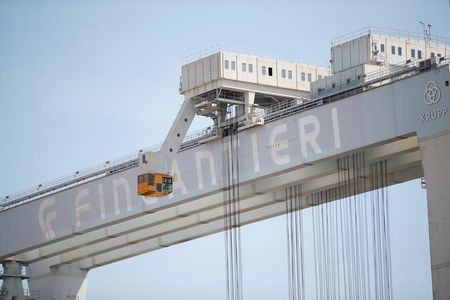
Fincantieri shares jump after €600 million underwater deal-making push
Shares in Italy’s shipbuilder Fincantieri rise sharply following reports of a major €600 million “underwater” push, acco...