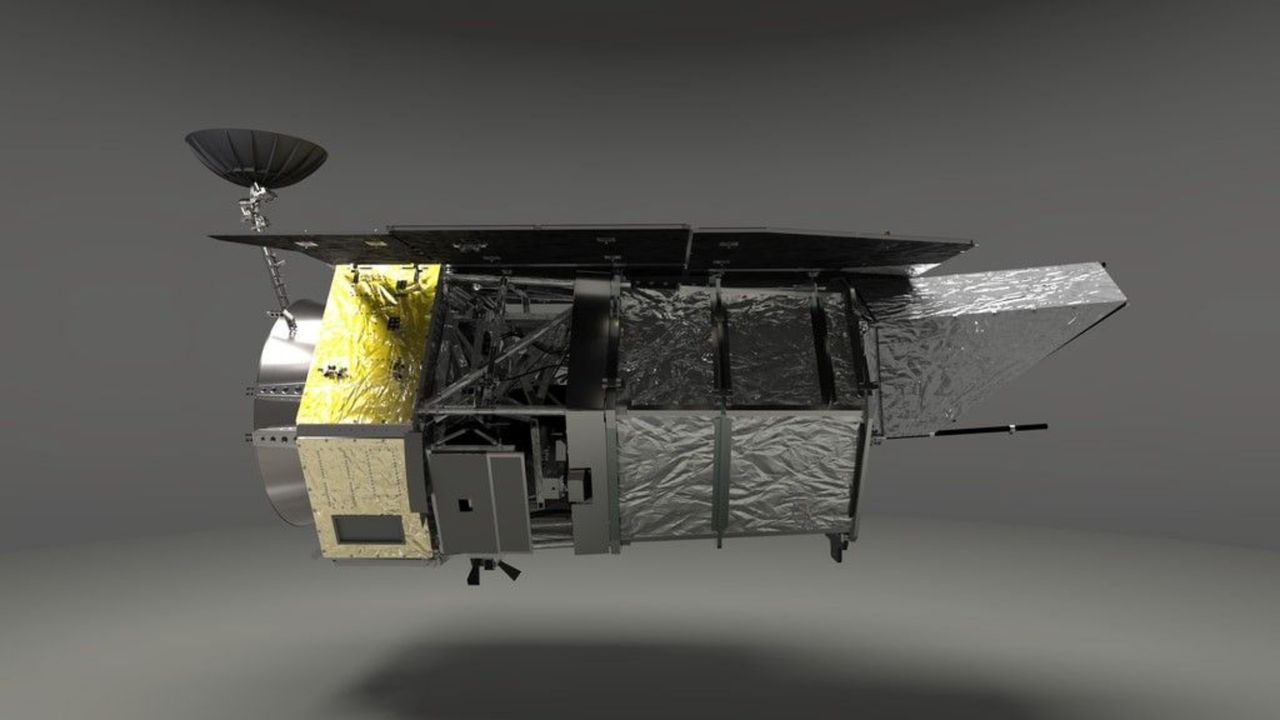
The European Space Agency’s Euclid space telescope reports the discovery of 31 ancient quasars—luminous, black hole–powered objects—from the universe’s first 800 million years. Although Euclid’s Wide Survey is not designed specifically to target the earliest quasars, the results show it is detecting them efficiently.
Several outlets describe these quasars as among the oldest and most distant ever observed. Two of the newly identified quasars are highlighted as the earliest seen so far, emitting intense light powered by supermassive black holes when the universe is estimated to be about 670 million years old, roughly 5% of its current age. The combined sample is said to increase the number of known quasars from the early universe and provide a larger dataset for studying how young galaxies formed and how their central black holes grew.
Multiple reports also note that the presence of these very early, rapidly growing supermassive black holes challenges existing models of black hole growth shortly after the Big Bang, contributing to an ongoing scientific puzzle.