


Canada selects Germany’s Thyssenkrupp Marine Systems (TKMS) as the preferred supplier for a major submarine procurement, choosing a bid led by the German defense firm for up to 12 conventional submarines. Multiple outlets describe the decision as one of Canada’s largest military purchases, announced as Canada increases defense spending to meet NATO targets. The competition included a rival proposal from a Korean consortium led by Hanwha Ocean, and some reporting also cites HD Hyundai Heavy Industries as part of the Korean bid. Canadian Prime Minister Mark Carney says the decision is exceptionally close and that both bidders met Royal Canadian Navy operational requirements. Several sources attribute the outcome to interoperability with NATO, including the ability to support integrated training and maintenance practices with allied forces, as Canada seeks to strengthen defense ties in a context of uncertainty about U.S. commitments. Other reporting notes the German offer is tied to TKMS’s Type 212CD submarine design, which is already under construction for Germany and Norway. The selection follows a Canadian project announcement in 2024 and is described as a multibillion-dollar deal.
Canada selects Germany’s TKMS to build up to 12 submarines
Canada selects Germany’s Thyssenkrupp Marine Systems (TKMS) as the preferred supplier for a major submarine procurement, choosing a bid led by the German defense firm for up to 12 conventional submari...
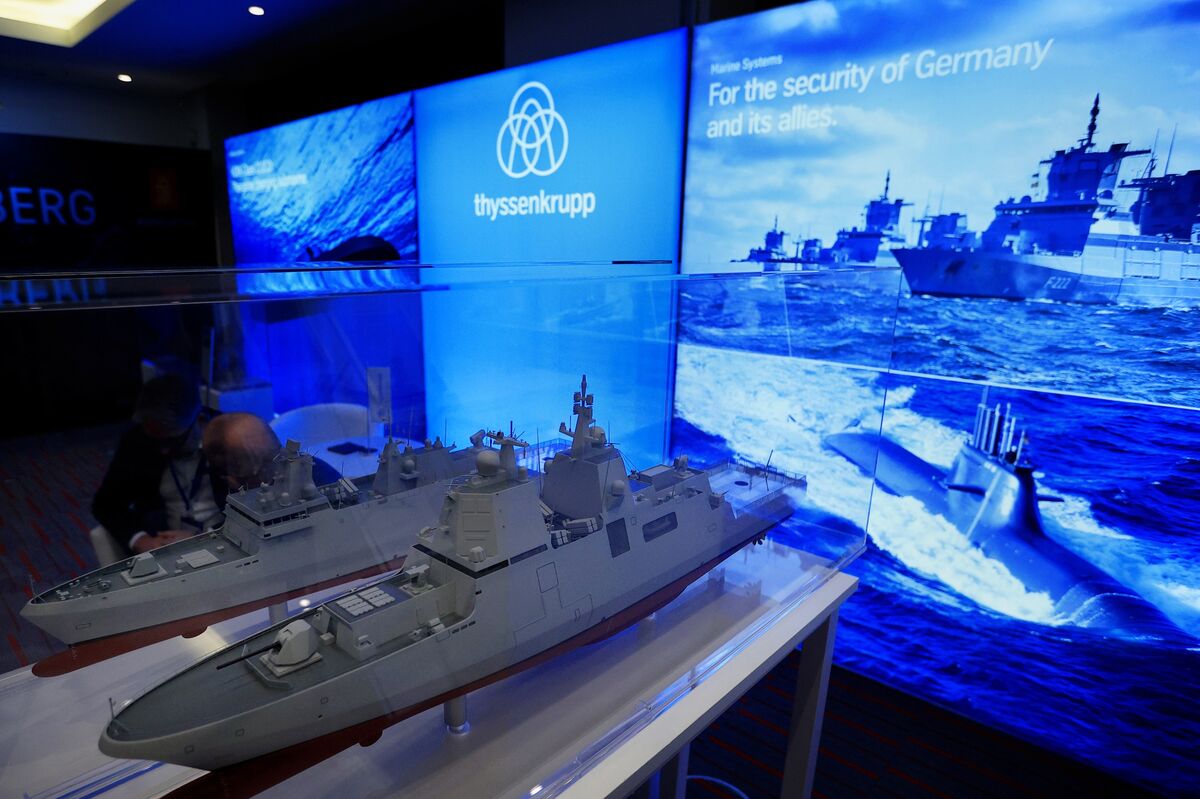
- Canada selects TKMS (Thyssenkrupp Marine Systems) as the preferred bidder for up to 12 conventional submarines.
- The procurement is described as one of Canada’s largest military purchases and is linked to Canada’s efforts to meet NATO spending goals.
- A Korean bid led by Hanwha Ocean (with HD Hyundai Heavy Industries also cited) is the main competitor that loses the award.
- Reporting says NATO interoperability—such as integrated training and shared maintenance—plays a key role in the decision.
- The selected design is associated with TKMS’s Type 212CD submarine, which is being built for Germany and Norway.
During the July 2026 North Atlantic Treaty Organization (NATO) summit in Ankara, Prime Minister Carney announced Germany’s ThyssenKrupp Marine Systems (TKMS) as Canada’s primary supplier for 12 diesel-electric Type 212CD submarines over the Republic of Korea (ROK)’s Hanwha Ocean to replace its Victoria-class submarine fleet. Carney believes this will strengthen interoperability with NATO allies and […] The post What Canada’s TKMS sub deal means for the Indo-Pacific appeared first on Asia Times.
1 month agoBy choosing German-Norwegian submarines over South Korean units, Canada did not just buy submarines—it chose the alliance architecture that will shape its place between the Atlantic and Pacific security orders. This month, multiple media outlets reported that Canada selected Germany’s ThyssenKrupp Marine Systems (TKMS) as the preferred bidder for 12 new conventionally powered submarines, the […] The post Canada’s German sub buy dives between NATO and the Pacific appeared first on Asia Times.
1 month agoPrime Minister Mark Carney announced Monday that Canada has chosen German defence manufacturer TKMS as the preferred supplier of up to 12 submarines.
1 month agoSouth Korea may have lost Canada’s multibillion-dollar submarine order, but analysts say its close-run contest with Germany has handed Seoul a different prize: proof that it can challenge one of the world’s traditional undersea warfare powers on a stage watched closely by defence buyers. Canada chose Germany’s Thyssenkrupp Marine Systems (TKMS) as the preferred bidder for a programme worth about US$40 billion to build up to 12 diesel-electric submarines, along with long-term maintenance and...
1 month agoTKMS, majority-owned by German conglomerate Thyssenkrup, beat out a competing offer from South Korea's Hanwha Ocean to build out Canada's submarine fleet.
1 month agoInteroperability with NATO was a crucial factor in Canada's selection of shipbuilders for its submarine fleet, as a Korean consortium lost to its German-Norwegian rival in the multibillion-dollar submarine procurement project on Tuesday. Canada’s move is largely seen as influenced by the need to reinforce its NATO ties at a time when the United States’ commitment to the alliance faces growing uncertainty, although the Korean bidder showed enough technical competitiveness to vie with the German bidder. On Monday (local time), Canada selected Germany's ThyssenKrupp Marine Systems (TKMS) as the preferred bidder, beating a Korean consortium led by Hanwha Ocean and HD Hyundai Heavy Industries. The Canadian Navy is seeking 12 conventional submarines to replace its aging Victoria-class fleet. Since Canada announced the project in 2024, Korean government and industry officials went all out to win the bid worth 60 trillion won ($39.1 billion). “The determining factor was interoperability with NATO, specifically the level of cooperation that allows for integrated training, sharing of mainten
1 month ago
Sri Lanka reach 229/6 after follow-on, rain halts play as India eye series win
Sri Lanka are forced to follow on against India but respond in their second innings, reaching 229/6 when rain ends play...

Experts urge Africa to use bargaining power to change global debt rules
Experts say Africa should convert its growing economic “wealth” into leverage in international debt negotiations to help...
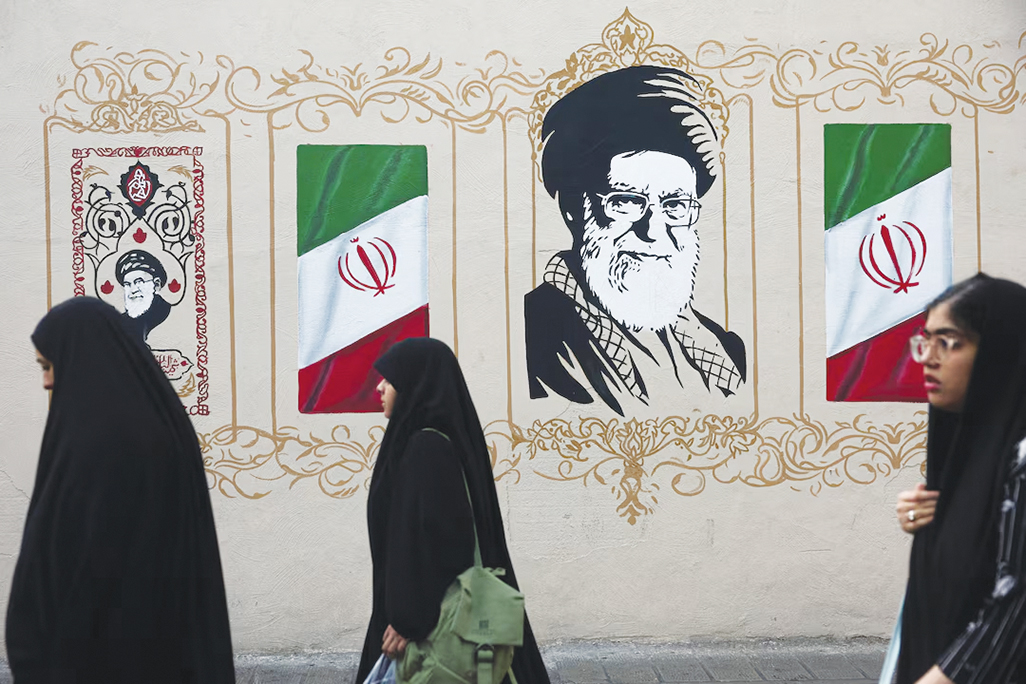
Qatar PM to visit Tehran to relaunch mediation amid US-Iran tensions
Qatar’s prime minister is set to visit Tehran on Thursday to relaunch mediation efforts between Iran and the United Stat...