


Multiple Australian outlets report on a Western Australia study suggesting that vegetables eaten in a person’s 20s may influence health outcomes for decades. The articles focus on the potential long-term impact of dietary habits established early in adulthood, framing the message as one about timing as much as nutrition. While the wording differs slightly, all sources present the same core idea: regular consumption of vegetables during young adulthood could be associated with better health later in life. The reporting highlights the study’s emphasis on specific food categories, including beans and other vegetables, as examples of dietary components that may contribute to long-run benefits. The coverage also uses a playful framing in parts of the headlines, but the underlying information remains consistent across outlets: the study examines how food choices in one’s 20s may carry forward to affect health across subsequent decades. The articles do not describe additional context such as sample size, specific health markers, or policy implications in the provided excerpts, but they align on the central claim that early adult diet matters.
WA study links diet in young adulthood to long-term health benefits
Multiple Australian outlets report on a Western Australia study suggesting that vegetables eaten in a person’s 20s may influence health outcomes for decades. The articles focus on the potential long-t...
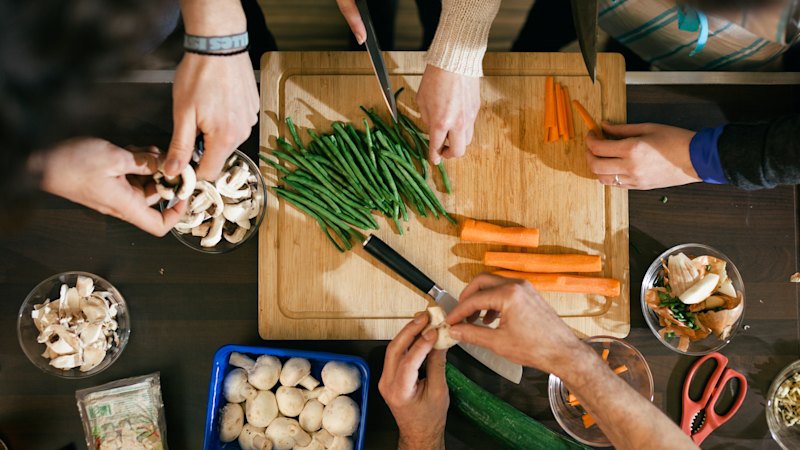
- A Western Australia study is reported as linking vegetable intake in people’s 20s to longer-term health benefits.
- The reporting emphasizes that dietary habits formed in young adulthood can affect health for decades.
- Beans and other vegetables are highlighted as examples of foods associated with potential benefits.
- All sources present the same central message despite differences in headline wording.
If you’re in your 20s, the vegetables you eat now could shape your health for decades to come.
1 month agoIf you’re in your 20s, the vegetables you eat now could shape your health for decades to come.
1 month agoIf you’re in your 20s, the vegetables you eat now could shape your health for decades to come.
1 month ago
Police rescue two Colombian women held captive in Lagos after alleged trafficking plot
Nigeria Police Force operatives rescue two Colombian women held captive in Lagos, after authorities say the women were l...

TestMu AI’s 2026 TestMu Conference highlights progress in agentic engineering and quality
TestMu AI hosts its 2026 TestMu Conference, presented as the company’s flagship event and a milestone for the field of a...

SF Holding reports solid first-half 2026 results, citing international growth and returns
SF Holding reports solid financial performance for the first half of 2026, highlighting progress in international operat...