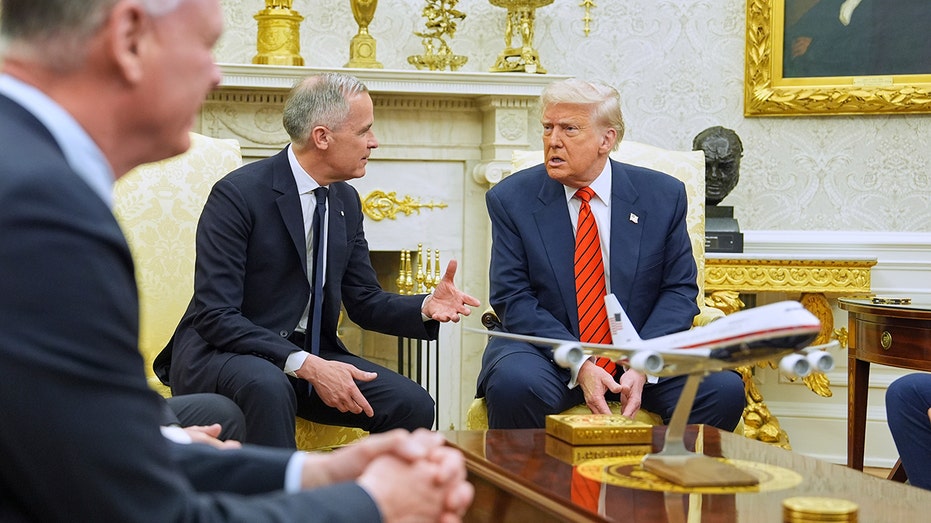
The US Supreme Court decision released on June 30 keeps birthright citizenship intact, offering relief to many families—including thousands of Indians living in the United States—who had been worried about potential changes. Reports describe how some families learn of the ruling and feel immediate relief from uncertainty about whether a child born in the US would automatically be recognized as an American citizen.
An example comes from a Seattle-based couple, Rajesh and Neha, who moved from India on H-1B visas. Their daughter, born in the United States, is six years old. For them, the ruling reduces fears that the status of their US-born child could be affected by ongoing political debates.
While the decision maintains the legal framework for birthright citizenship, sources note that the broader political dispute over immigration and eligibility for citizenship continues. The ruling does not end debate, but it does clarify that the existing constitutional approach to citizenship by birth remains in effect, at least for now, for families across the country.