
ScienceAlert
What it covers
Latest stories it covered

Voyager 1 nears one light-day from Earth, marking a new deep-space distance milestone
NASA’s Voyager 1 is nearing the point where it is one light-day from Earth, about 26 billion kilometers, meaning light takes a day to travel between the spacecraft and Earth. Multi...
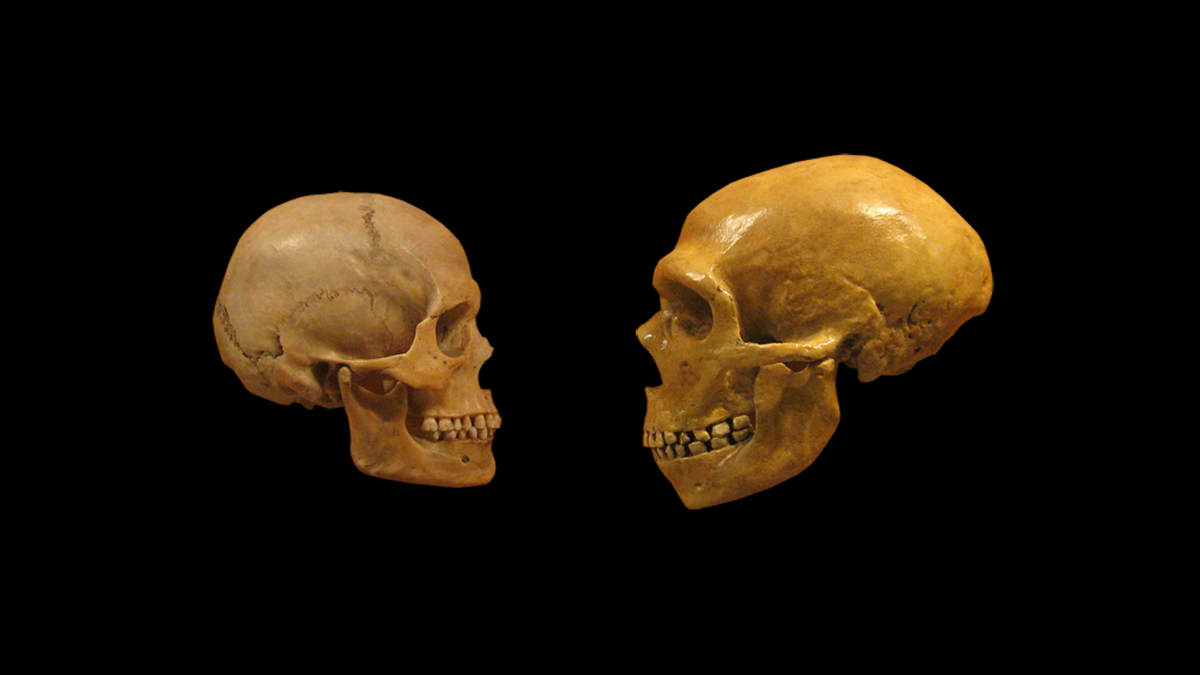
Neanderthal-inherited genetic variant still influences human brain development and schizophrenia risk
Researchers report that a genetic variant inherited from Neanderthals continues to affect human brain structure and may influence schizophrenia risk. One outlet describes the varia...
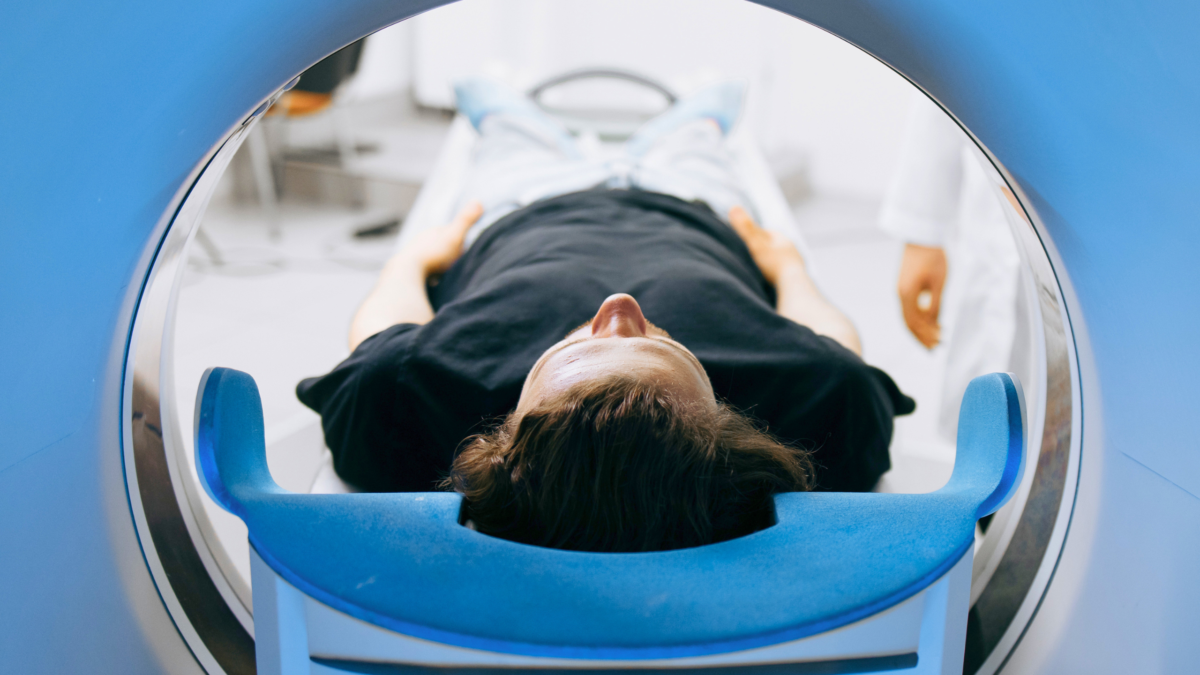
Stanford Researchers Identify Brain Activity Patterns Predicting Alzheimer’s Years Early
Stanford researchers report that “hidden” patterns in resting brain activity can forecast a person’s Alzheimer’s risk years before typical symptoms, such as memory decline, appear....

Ancient Peru’s El Niño era saw rare everyday violence despite mass ritual sacrifices
Archaeologists studying ancient Peru report that interpersonal violence was uncommon in the Lambayeque Valley even during periods linked to catastrophic El Niño flooding, despite e...

Study identifies two remote Pacific coral atolls among the world’s most intact ecosystems
Scientists report that two remote coral atolls in the Pacific—Bikar and Bokak, located on territory of the Marshall Islands—remain among the most intact marine ecosystems in the re...

Scientists Warn of Increasing Tsunami Risk in Greenland Fjords
Scientists warn that a growing tsunami threat is developing in Greenland’s fjords, linked to changes in high-latitude environments. The reporting highlights the need for monitoring...

Ancient Siberian tomb yields 2,800-year-old evidence of cannabis used for psychoactive effects
Archaeologists say a 2,800-year-old tomb in southern Siberia contains the oldest directly dated archaeological evidence that people used cannabis for its psychoactive effects. Mult...

Octopuses’ flexible bodies inspire soft robots to squeeze through tiny openings
Researchers study how octopuses pass through very small holes and use the findings to inform the design of flexible, “soft” robots for tasks such as search and rescue. Coverage acr...

Study Finds Repeated Chemical Spikes in New York Nail Salon Air
New monitoring data from five nail salons in New York City finds that chemical concentrations in indoor air can spike repeatedly during the workday, reaching levels comparable to t...

CERN scientists report evidence of an extremely rare particle decay pointing to the ‘zeptoverse’
Researchers at CERN report evidence for an extraordinarily rare particle decay that offers a new way to probe the “zeptoverse,” a scale far smaller than an atom. Multiple outlets s...

Longer Estrogen Exposure Associated With Less Brain Small-Vessel Damage in Older Women
Multiple outlets report a cohort study finding that women with longer lifetime estrogen exposure show fewer signs of damage to small blood vessels in the brain later in life. Scien...

Scientists document unusual same-sex bond between a bull and male donkey in Ethiopia
Scientists report repeated sex and close bonding between a bull and a male donkey in Ethiopia, described as an exceptionally rare same-sex relationship. Coverage focuses on a case...

Experts urge WHO to declare climate change a global public health emergency
Multiple outlets report a growing call from health experts and researchers for the World Health Organization (WHO) to declare climate change a “public health” or “global health” em...

Eaton Fire smoke analysis finds large-scale elevated lead exposure in Los Angeles region
Researchers analyzing smoke particles from California’s Eaton Fire report that the fire’s plume may have exposed very large numbers of people to elevated lead levels. A new analysi...

Fossils reveal 237-million-year-old armored amphibian lived fully in the ocean
Scientists report fossils of an armored amphibian, Gerrothorax maritimus, that lived entirely at sea about 237 million years ago, during the Late Triassic. The discovery includes t...

Personalized mRNA vaccine with immunotherapy cuts melanoma recurrence risk by 42%
A phase 3 trial reports that adding a personalized mRNA cancer vaccine to immunotherapy after surgery reduces the risk of melanoma returning or patients dying. Across outlets cover...

Study identifies “circadian depression,” a subtype linked to body-clock disruptions
Researchers identify a depression subtype—described as “circadian depression”—that is linked to disruptions in the body’s internal clock and more irregular sleep patterns. Across m...

Ancient retrovirus in chimp DNA may have affected primate brain development
Researchers report that a family of ancient retroviruses left DNA remnants in the genomes of chimps and other primates. The findings suggest these viral sequences can silence genes...

Deepwater Horizon spill’s deep-sea damage persists, study finds after 16 years
Marine life in the Gulf of Mexico still shows limited recovery from the 2010 Deepwater Horizon oil spill, with new research reporting long-lasting declines in deep-water animal pop...
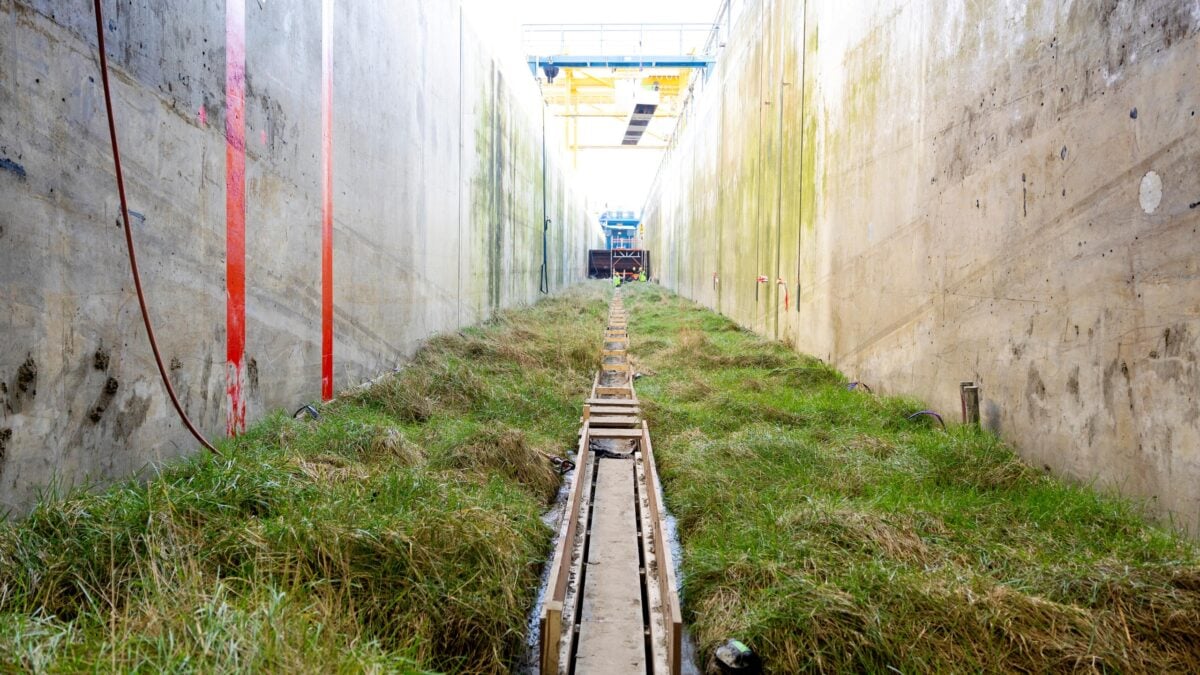
Scientists test salt marsh resilience by placing 306 square meters in a giant wave machine
Scientists transplant a large area of wild salt marsh—reported as 306 square meters—into the world’s largest wave-machine to simulate extreme storms and observe how the ecosystem r...