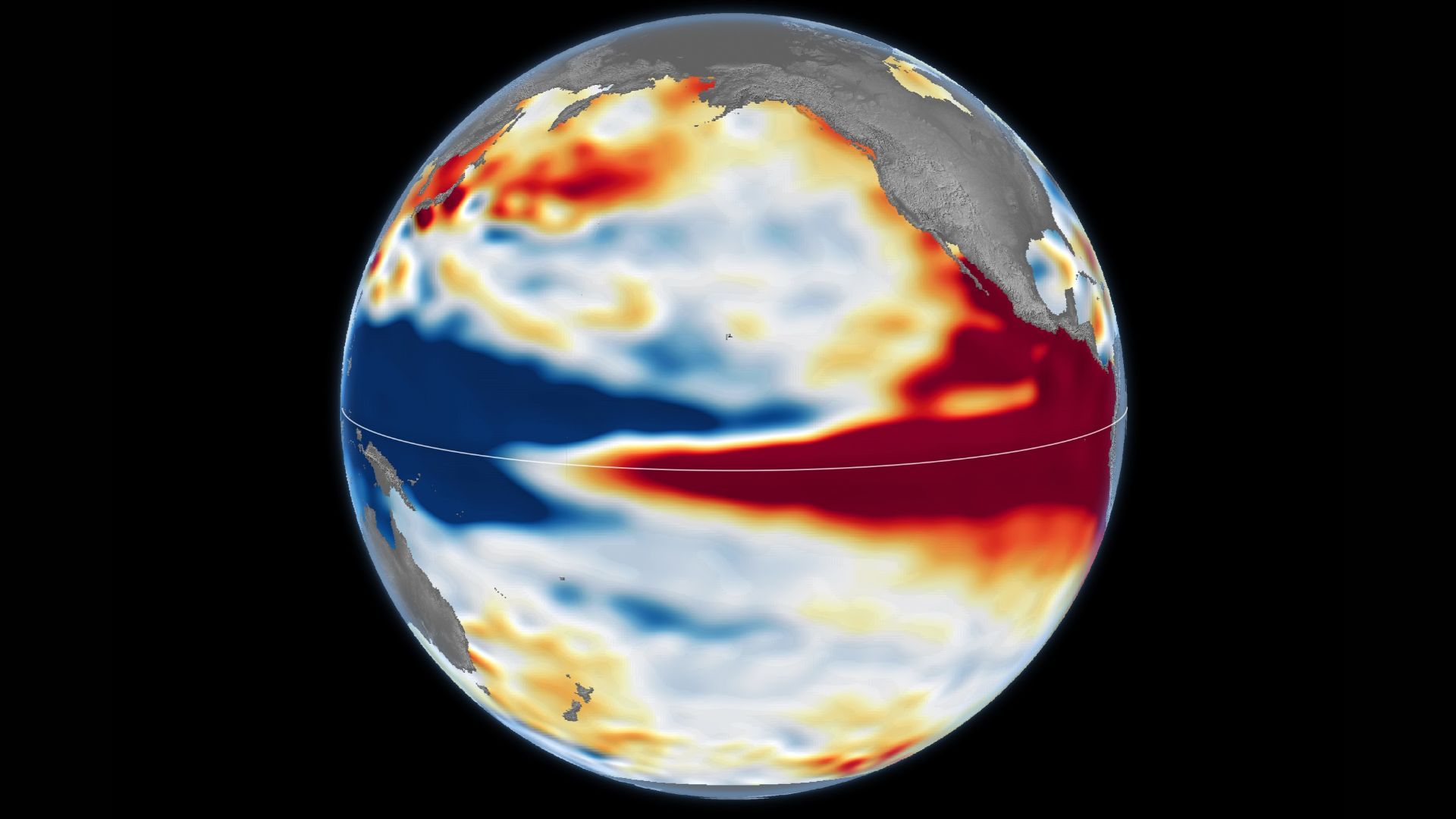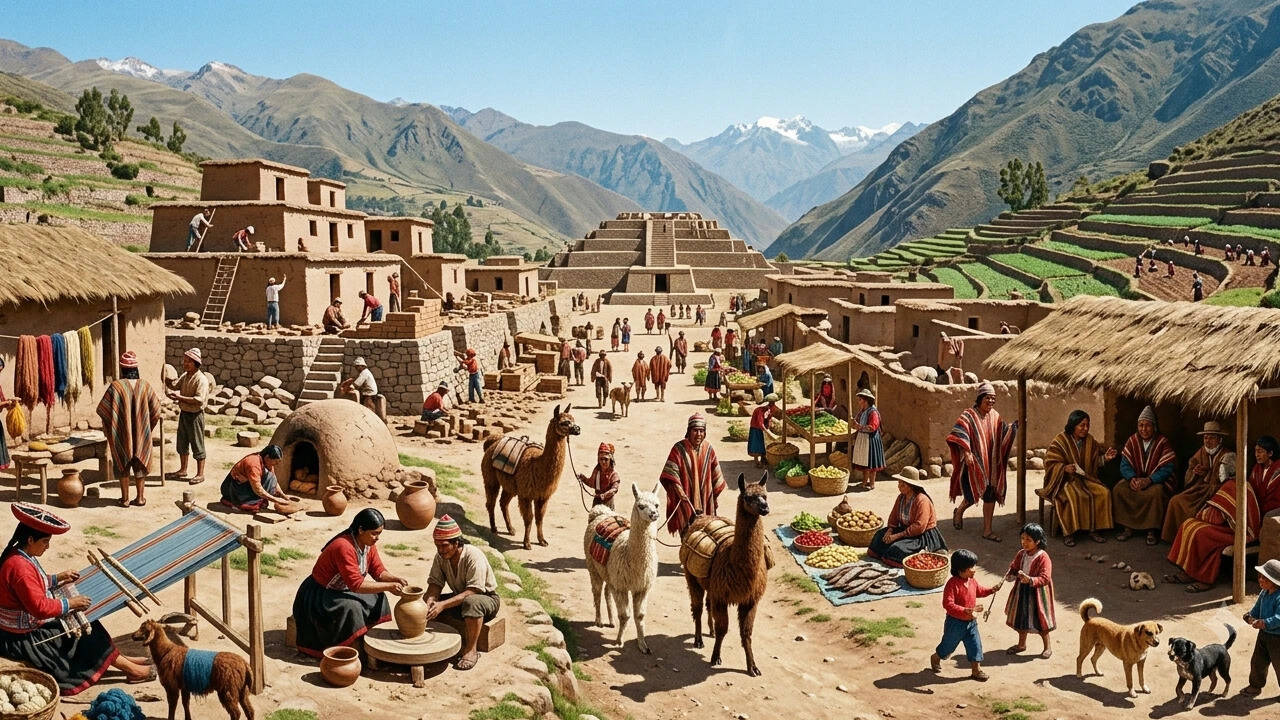
Researchers studying more than 1,500 ancient people in Peru find that everyday interpersonal violence was uncommon even during severe El Niño flooding events that disrupt food supplies. The work examines skeletal evidence to gauge social responses to ecological stress, linking extreme weather to broader community behavior.
Both outlets describe the same overall pattern: mass ritual human sacrifices occurred in at least some coastal sites in northern Peru in connection with catastrophic El Niño-related flooding, but this did not coincide with widespread day-to-day violence among the general population. The differing emphasis is mainly interpretive—one source focuses on the study’s implications for how societies adapt during climate crises, while the other highlights the contrast between drastic ritual actions and the apparent absence of a corresponding spike in violence.
Taken together, the reporting frames the findings as evidence that ancient societies could respond to environmental upheaval through structured, non-routine practices rather than through consistently higher levels of everyday conflict.