
A set of reports examines a perceived imbalance in German football’s youth development, focusing on why the country has produced many high-level midfielders but comparatively fewer top-level strikers. The analysis centers on the youth academy at VfL Bochum, using it as a case study to explore how training methods, player pathways, and talent identification influence the types of players who progress through the system. The coverage frames the issue as a structural development challenge rather than a short-term performance problem, suggesting that coaching priorities and the academy’s approach to skill-building may shape whether young attackers are developed effectively for senior-level goal-scoring roles. While the reporting highlights the success of Germany in nurturing midfield talent, it also points to weaknesses in producing forwards, implying that different technical and tactical requirements for striker development may not be addressed with the same consistency. Overall, the sources present an investigative look at the youth academy environment as a potential driver of Germany’s striker-versus-midfielder pattern.
German youth academies analyzed for striker-to-midfielder imbalance at VfL Bochum
A set of reports examines a perceived imbalance in German football’s youth development, focusing on why the country has produced many high-level midfielders but comparatively fewer top-level strikers....
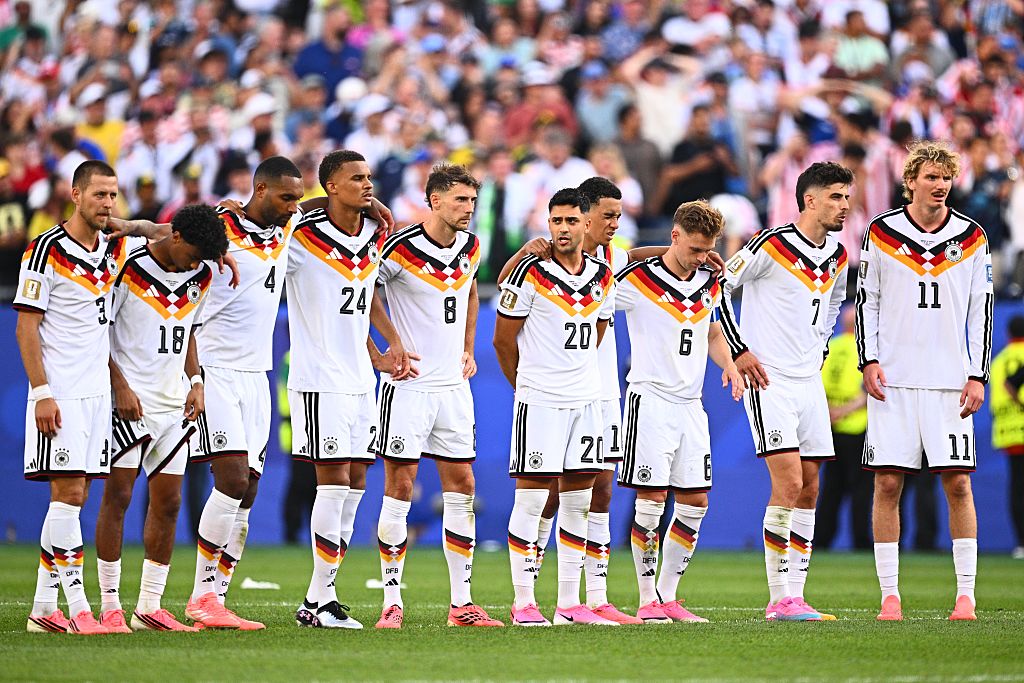
- The reports analyze German football’s youth development, focusing on an imbalance between strikers and midfielders.
- They use VfL Bochum’s youth academy as the main case study.
- The coverage says Germany has produced many world-class midfielders but comparatively fewer elite strikers.
- The analysis links the imbalance to how youth systems train and develop players for specific roles.
- The accounts describe the issue as structural, tied to academy methods and player pathways rather than only individual talent.
Over the years, Germany has produced and nurtured some of the finest midfielders in the world. But the same can't be said about the country's ability to produce strikers. A deep look at VfL Bochum's...
10 hours agoOver the years, Germany has produced and nurtured some of the finest midfielders in the world. But the same can't be said about the country's ability to produce strikers. A deep look at VfL Bochum's youth academy explains why that is the case.
10 hours ago
Barcelona agree personal terms with Borussia Dortmund’s Karim Adeyemi; deal fee still in talks
Barcelona are reported to have agreed personal terms with Borussia Dortmund forward Karim Adeyemi, with the move describ...

How to Watch the 2026 FIFA World Cup: TV Channels and Online Streaming Options
Multiple outlets publish guides explaining how viewers can watch the 2026 FIFA World Cup without relying on a traditiona...

Trump intervention triggers World Cup debate after FIFA overturns Balogun red card
The controversy surrounding the United States vs Belgium Round of 16 match is rooted in FIFA’s decision to reverse Folar...