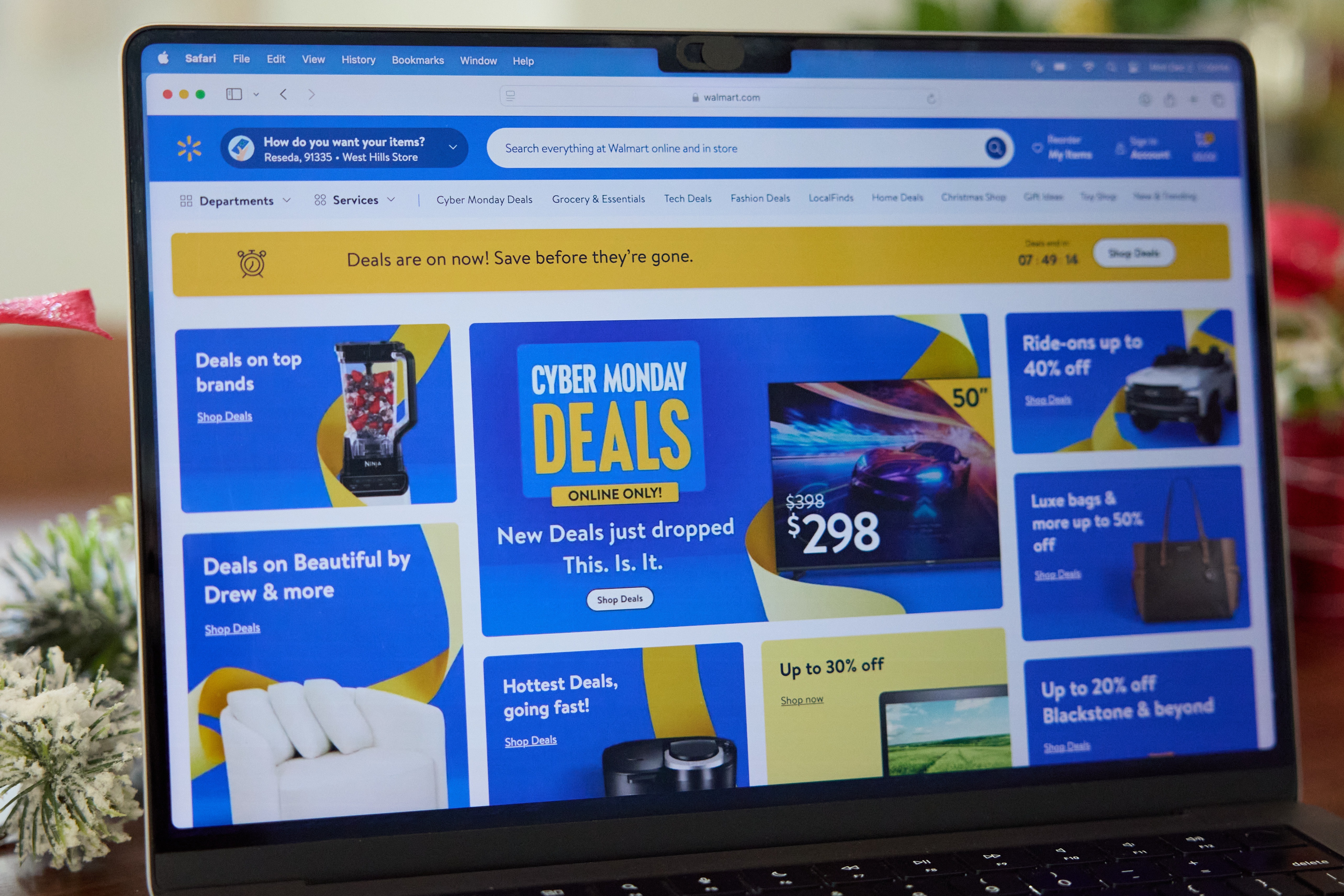
Several reports say shoppers in parts of Africa increasingly buy online from major retailers such as Amazon and Walmart even though the companies have limited or no direct physical presence across much of sub-Saharan Africa. The articles describe how local and regional “pipelines” and logistics partners bridge common barriers to online purchasing, including the lack of a credit or debit card accepted by foreign websites and the absence of reliable residential addresses for deliveries. Rather than requiring buyers to place orders directly to a local store, the model relies on intermediary services that can receive goods and forward them to customers or consolidate deliveries for onward distribution.
Across sources, the central point is that homegrown payment and delivery systems are enabling cross-border e-commerce at scale. These systems allow shoppers to participate in global online storefronts without needing bank cards or standard addressing formats that many traditional delivery networks require. The coverage frames the trend as growing use of local innovation and logistics to connect African consumers with international brands despite gaps in formal retail infrastructure.