
Multiple outlets discuss growing interest in alternatives to traditional burial, focusing on how methods like composting and water cremation compare on environmental grounds. Both sources note that burial capacity is under pressure in many places and that people are increasingly looking for funeral options perceived to have a smaller ecological footprint. The coverage frames the shift in the context of broader scrutiny of the funeral industry’s environmental impact, which varies by location and practice. Rather than treating any single alternative as automatically “green,” the discussion centers on how different approaches may affect factors such as resource use and emissions. The conversation emphasizes that claims about eco benefits depend on implementation details, including local regulations and how facilities operate. Phys.org similarly links rising demand to concerns about the global environmental impact of funerals, highlighting that countries are evaluating alternatives and trying to improve sustainability. Overall, the reports present composting and water cremation as part of a wider trend toward more environmentally focused end-of-life practices, while acknowledging that their environmental credentials depend on specific circumstances.
Composting and water cremation highlighted as lower-impact alternatives to burial
Multiple outlets discuss growing interest in alternatives to traditional burial, focusing on how methods like composting and water cremation compare on environmental grounds. Both sources note that bu...

- Interest is rising in alternatives to traditional burial in many countries.
- Composting and water cremation are presented as options for reducing environmental impacts.
- Concerns about the funeral industry’s environmental footprint drive demand for change.
- Burial grounds face capacity pressure, motivating consideration of alternatives.
- Environmental benefits depend on how the processes are carried out locally and under regulations.
There's growing interest in alternatives to traditional burials and in making the process more environmentally friendly in many countries. For many people, it's about the environmental impact of the funeral industry globally.
3 hours agoBurial grounds are filling up but are new methods any more green than traditional options?
7 hours ago
US reimposes blockade after Iran attacks on ships in the Strait of Hormuz
The United States reimposes a blockade against Iran in response to attacks on ships in the Strait of Hormuz. According t...

Porsche Classic Cars From the 1990s-2010s Offered for Sale on Bring a Trailer
Several Porsche classic and enthusiast models are listed for sale online, including multiple air-cooled-era 911s and new...
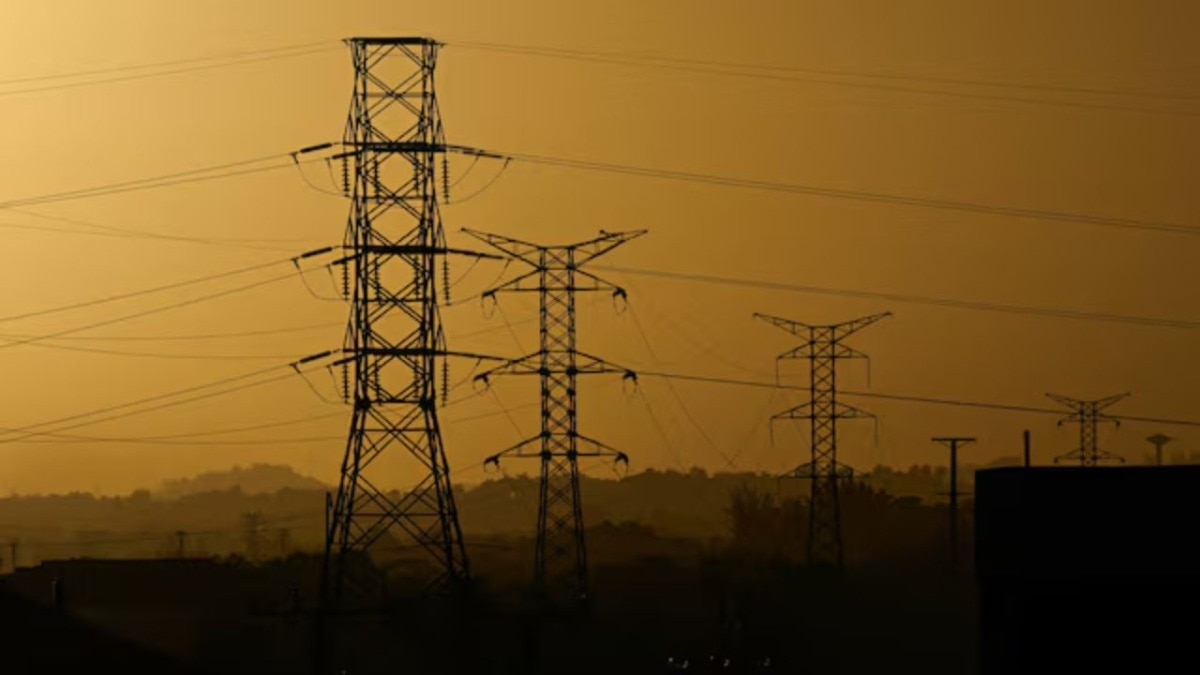
Cuba’s national power grid collapses again, leaving millions without electricity
Cuba’s national electricity grid collapses again, causing a nationwide blackout that leaves millions of people without p...