
Astronomers report finding the first evidence of a “missing” black hole in the Omega Centauri globular star cluster, using data from the Hubble and James Webb space telescopes. The object is described as a black hole candidate that was previously not directly observed, despite expectations that many black holes could remain bound within dense star clusters like Omega Centauri. Both outlets describe the discovery as the first of what researchers anticipate could be up to about 10,000 smaller black holes within the cluster. The reports emphasize that the identification is based on space-based observations that reveal clues consistent with an embedded compact object, rather than a previously detected, obvious black hole source. The discovery is framed as an initial step in a larger search, with researchers suggesting that additional candidates may be found as they analyze more data and refine their methods. While the exact number of black holes remains an estimate, the detection supports the idea that a substantial population of stellar-mass black holes may persist in Omega Centauri even if they are difficult to observe directly.
Astronomers detect first hidden black hole candidate in Omega Centauri
Astronomers report finding the first evidence of a “missing” black hole in the Omega Centauri globular star cluster, using data from the Hubble and James Webb space telescopes. The object is described...
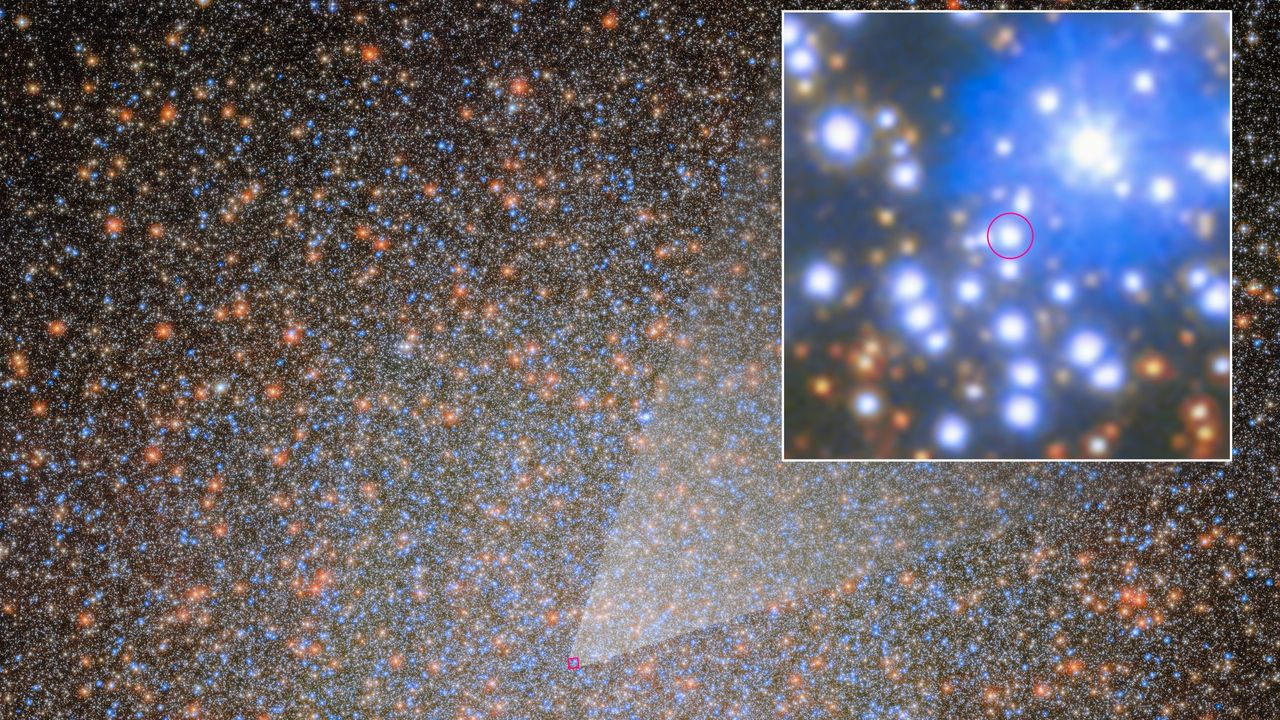
- Researchers use observations from the Hubble and James Webb space telescopes to identify a black hole candidate in Omega Centauri.
- The finding is the first reported detection of a previously “missing” black hole in the cluster.
- Estimates suggest Omega Centauri could contain on the order of 10,000 small (stellar-mass) black holes.
- The discovery is presented as the start of a larger effort to find additional hidden black hole candidates in the cluster.
Omega Centauri may contain 10,000 tiny black holes, but none of them have been spotted until now.
5 hours agoThe first of 10,000 missing black holes in the Omega Centauri globular cluster has been found thanks to teamwork by the Hubble and James Webb space telescopes.
1 day ago
Satellite images show China building full-scale replica of US warship in Taklamakan Desert
Multiple reports say satellite imagery indicates China has constructed a full-scale replica of a US Navy warship in the...

Meteorite falls through New Jersey home; owner reports debris, odor
A meteorite is reported to have fallen through a home in New Jersey, with residents describing unusual debris and a stro...

Paramount investor lawsuits allege Ellisons made an illegal Trump media deal
David and Larry Ellison are named in a new lawsuit brought by a Paramount investor that alleges they struck an “illegal”...