


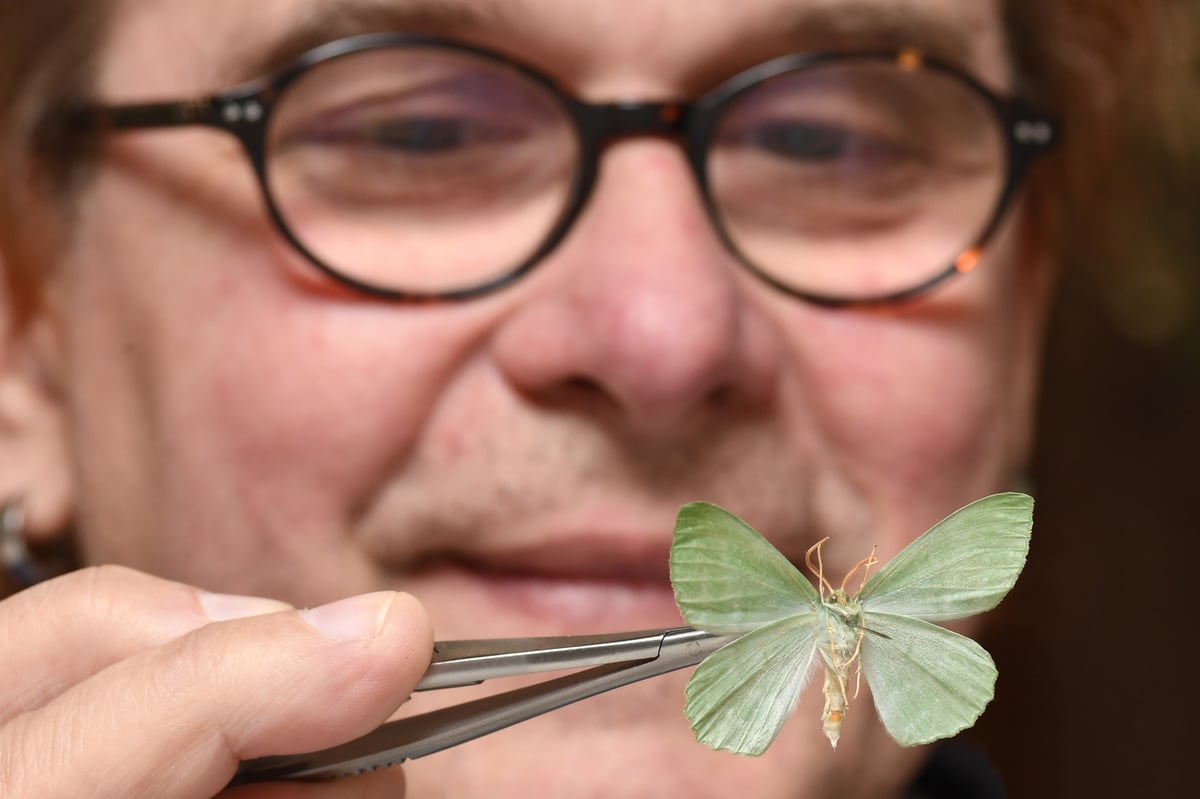
A £1.8 million funding package is supporting a new project to digitise more than 700,000 biological specimens, including insects and plants. Multiple outlets report that the work will convert physical collections into digital records, helping researchers access information more easily and “unlock” data considered important for understanding biodiversity. The project focuses on documenting specimens held in collection systems, with insects and plant samples named among the items that will be digitised. While the articles differ slightly in wording, they broadly agree on the scale of the digitisation effort and the funding level. The initiative is presented as a step toward improving the availability and usability of specimen data, which can support studies on species identification, distribution, and conservation. Details on timelines, specific institutions involved, and how the digitised materials will be accessed are not included in the provided excerpts. The reports collectively describe the effort as a large-scale digitisation programme aimed at making critical biodiversity information more accessible to the scientific community.
£1.8m project to digitise about 700,000 plant and insect specimens
A £1.8 million funding package is supporting a new project to digitise more than 700,000 biological specimens, including insects and plants. Multiple outlets report that the work will convert physical...
4 sources
3 months ago
46 views
Key Points
- The project receives £1.8 million funding for digitisation.
- It digitises more than 700,000 specimens.
- Insects and plants are among the specimen types included.
- The initiative aims to improve access to biodiversity information for research.
How Outlets Covered This Story
THE
The Scotsman
More than 700,000 specimens of insects and plants to be digitised to 'unlock' critical information
3 months ago
BEL
Belfast Telegraph
Around 700,000 specimens to be digitised in project to document biodiversity
3 months ago
EVE
Evening Standard
Around 700,000 specimens to be digitised in project to document biodiversity
3 months ago
THE
The Independent
Around 700,000 specimens to be digitised in project to document biodiversity
3 months ago
Related Stories

Record European summer heat killed about 50,000 in cities, study finds
Record-breaking summer heat kills about 50,000 people in European cities, according to new research that estimates heat-...
10 sources
5 hours ago

WMO warns exceptionally strong El Niño could peak in late 2026, disrupting global weather
The World Meteorological Organisation (WMO) warns that El Niño conditions in the tropical Pacific could intensify to exc...
18 sources
1 day ago

IUCN warns 96% of shallow-water coral reefs are critically endangered, facing collapse by 2075
Almost all shallow-water coral reefs are at critical risk of collapse, according to a global assessment warning that man...
11 sources
16 hours ago