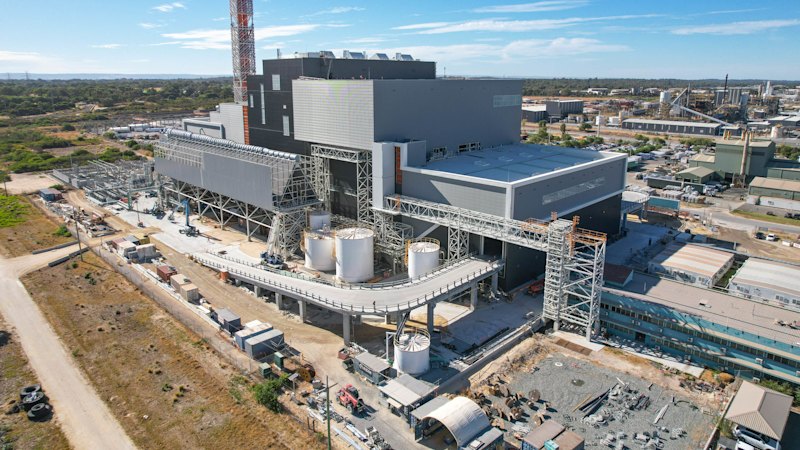
A public dispute is underway over whether “waste-to-energy” technology—burning waste to generate electricity and heat—should be considered renewable and low-emissions. According to the Smart Energy Council, the approach is not renewable, is not clean, and produces high emissions. The council argues that treating waste incineration as renewable can mislead policy and investment decisions, given the climate and air-quality impacts associated with burning material.
Other stakeholders, described in reports as the waste sector, dispute that assessment. They argue that waste-to-energy has a role in managing residual waste and converting it into usable energy, and they challenge claims that the technology is necessarily high-emitting or incompatible with emissions-reduction objectives. The disagreement reflects differing views on how to classify waste-to-energy under renewable energy frameworks and how to evaluate its environmental performance.
The controversy centers on the emissions profile and sustainability claims made by proponents and critics, as well as the implications for regulation and energy policy.