
South Korea’s central bank raises its key interest rate for the first time in more than three years, according to reports. The decision is aimed at tightening monetary conditions to curb inflation and address rising costs. Sources link inflation pressures partly to global disruptions associated with the war in the Middle East, alongside domestic financial vulnerabilities. Officials also cite the country’s high household debt as a key reason for tightening policy, saying higher borrowing costs can help slow demand and reduce financial stress tied to extensive household leverage. The increase follows a period in which the central bank had held the rate steady for over three years. The move is framed as part of efforts to bring inflation back under control while managing broader economic risks connected to household debt and the potential effects of slower growth. Overall, both outlets describe the rate hike as a shift toward tighter policy in response to inflation concerns and debt-related risks.
South Korea’s central bank raises interest rate for first time since 2023
South Korea’s central bank raises its key interest rate for the first time in more than three years, according to reports. The decision is aimed at tightening monetary conditions to curb inflation and...
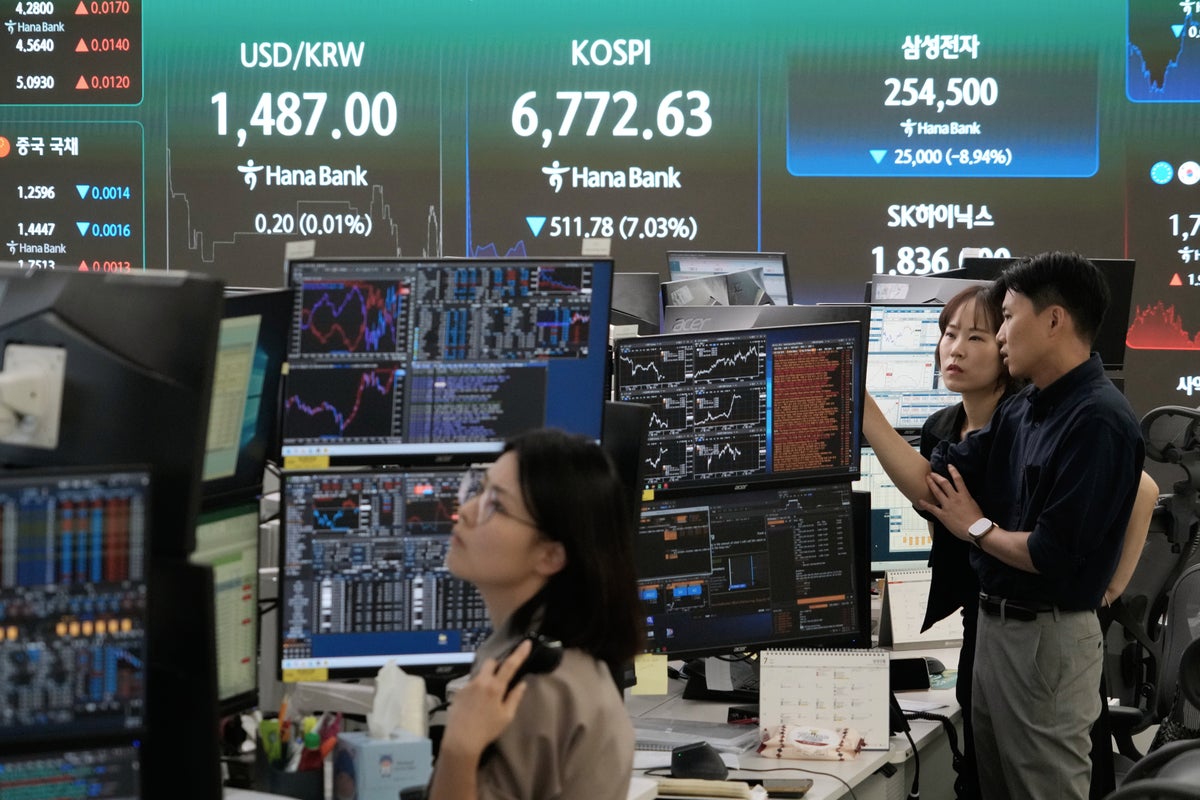
- South Korea’s central bank increases its key interest rate for the first time since 2023.
- The rate hike aims to tighten money supply to help curb inflation.
- Sources connect inflation pressures, in part, to wider turmoil linked to the war in the Middle East.
- The central bank highlights South Korea’s high household debt as a factor in the decision.
- The decision follows a period of more than three years without an interest-rate increase.
South Korea’s central bank on Thursday raised its key interest rate for the first time in more than three years, aiming to tighten money supply to combat inflation, worsened by the war in the Middle East, and slow the growth of the country’s high household debt
4 hours ago
US imposes 25% tariffs on some Brazilian imports from July 22
The United States is imposing a 25% tariff on certain imports from Brazil, starting July 22, according to multiple outle...

Jimmy Tatro Reportedly Cast as Gorilla Grodd in HBO Max Jimmy Olsen Superman Spinoff
Multiple outlets report that Jimmy Tatro is moving toward a role as Gorilla Grodd in HBO Max’s planned Superman spinoff...

Rupee falls to record lows as US-Iran tensions lift oil prices and drive dollar demand
The Indian rupee trades near record lows against the US dollar as geopolitical jitters around the US-Iran standoff in We...