


Rock paintings across Zimbabwe are being studied for clues about how people in the region moved, gathered, and practiced ritual. Multiple sources describe rock art sites found throughout the country and note that the imagery reflects activities that may relate to trance, dance, and communal ceremonies. The paintings are said to span a long time period: they are attributed to hunter-gatherer groups and later to farming communities, with the tradition covering roughly the last 10,000 years. Research referenced in the coverage suggests that some depicted body movements may be influenced by altered states of consciousness, including trance-like experiences, rather than representing only ordinary daily actions. In this view, the rock art functions as a record of cultural practices in which movement and ritual are closely connected. The sources collectively emphasize both the geographic breadth of Zimbabwe’s rock art and its long historical continuity, while framing the interpretation of specific images through the lens of dance, ritual, and possible trance states.
Rock art in Zimbabwe links paintings to dance and ritual practices over thousands of years
Rock paintings across Zimbabwe are being studied for clues about how people in the region moved, gathered, and practiced ritual. Multiple sources describe rock art sites found throughout the country a...
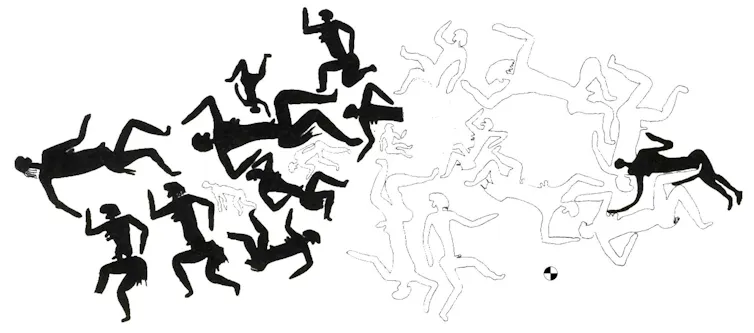
- Rock paintings are found throughout Zimbabwe.
- They are associated with multiple groups, including hunter-gatherers and later farming communities.
- The rock art tradition is described as spanning roughly the last 10,000 years.
- The imagery is interpreted as reflecting dance and ritual practices.
- Some depicted movements may be linked to trance-like states.
Rock paintings are found throughout Zimbabwe. They were made during the last 10,000 years by hunter gatherer groups and later by farming communities.
3 months agoTrance states may influence the movements depicted in rock art.
3 months ago
Peter Kay interrupts BBC North West Tonight weather segment during live report
Comedian Peter Kay interrupts a live weather segment on BBC North West Tonight by gatecrashing the studio while presente...

Tom Aspinall denies claims he is leaving the UFC amid eye injury recovery
Heavyweight champion Tom Aspinall rejects reports claiming he plans to leave the UFC. Both outlets report that Aspinall...
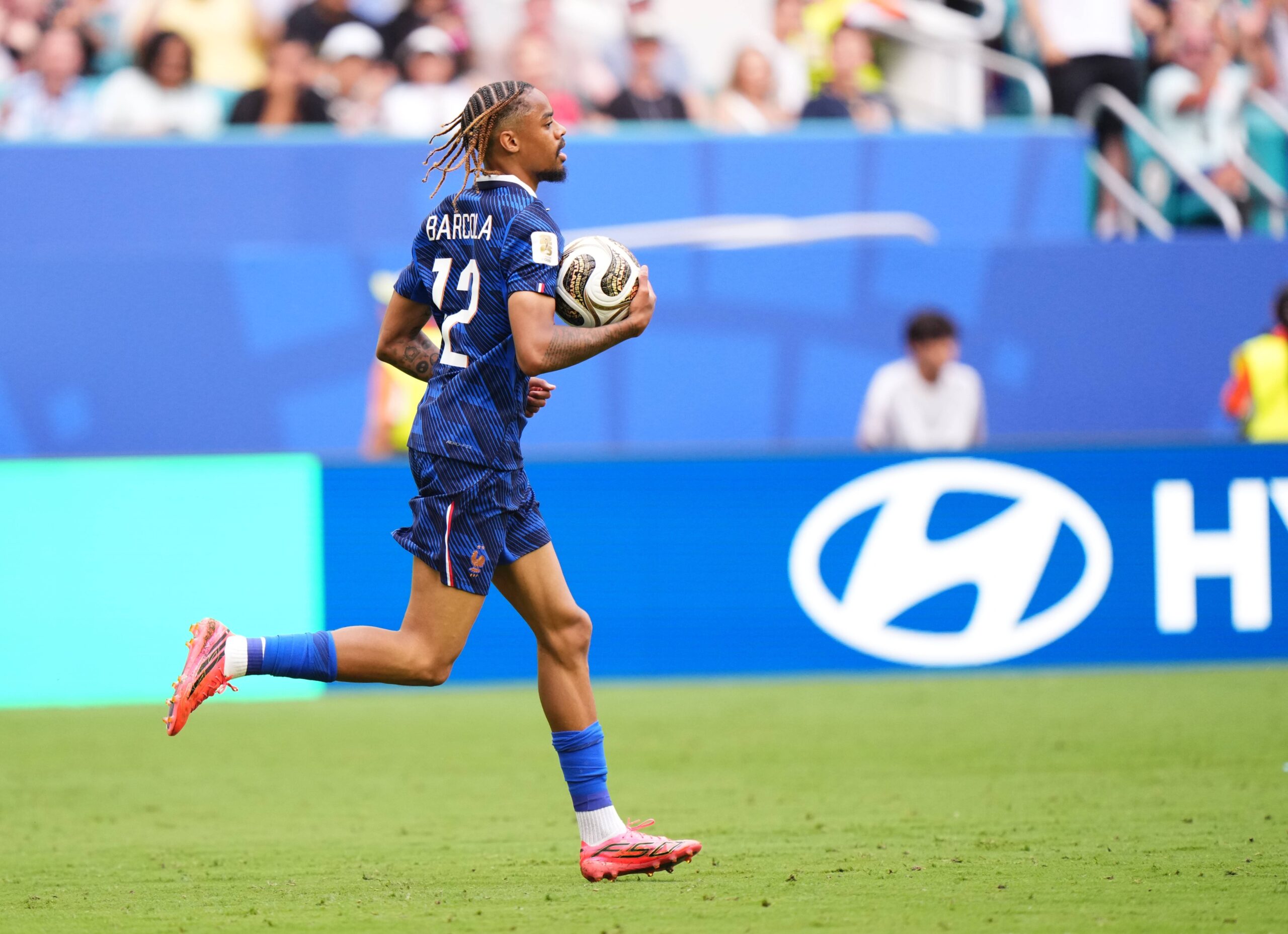
Liverpool in talks with PSG over Bradley Barcola as price, terms and uncertainty remain
Liverpool’s pursuit of Paris Saint-Germain winger Bradley Barcola is progressing, with multiple reports saying negotiati...