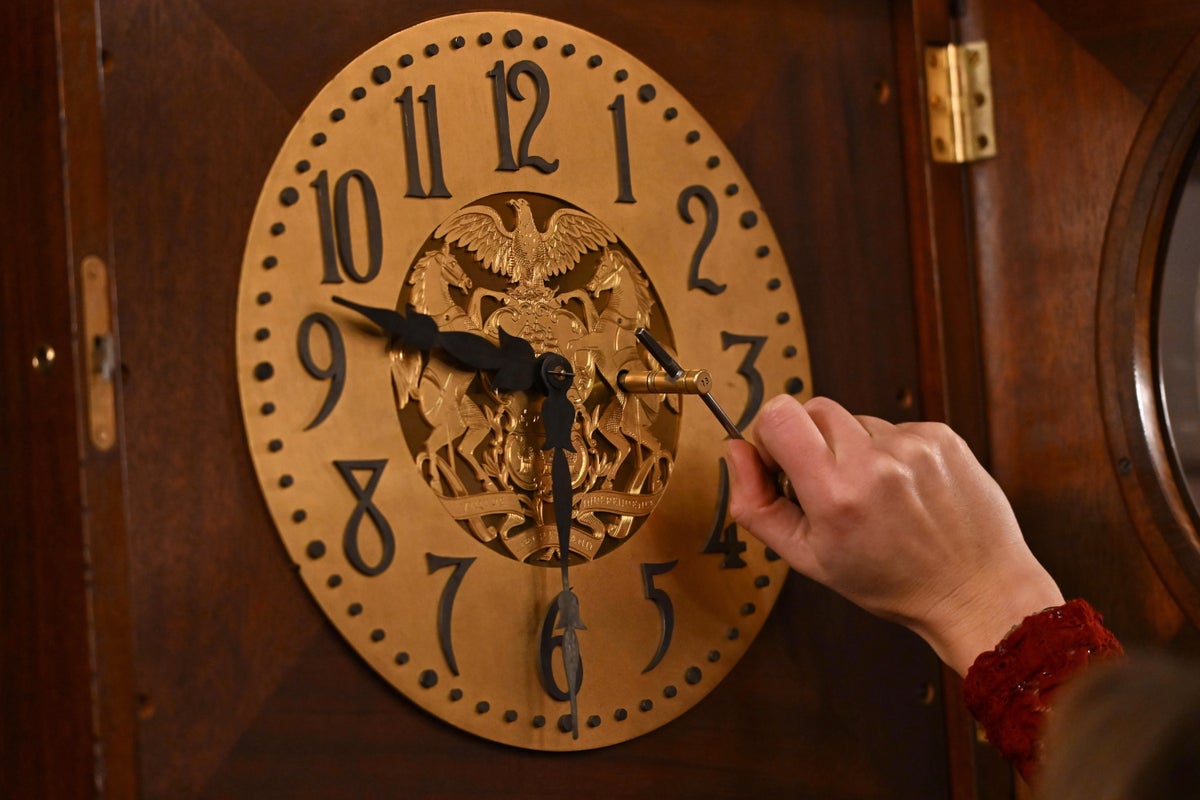
The United States is considering legislation that would make daylight saving time permanent, ending the twice-yearly clock changes. Coverage notes that the U.S. has tried a similar approach before: during a prior period of permanent “war time” daylight saving, the policy lasted less than a year before being reversed.
Supporters of the new proposal argue that keeping clocks on daylight time year-round could simplify scheduling and reduce disruptions linked to seasonal time changes. Opponents and skeptics point to potential concerns such as effects on morning darkness in parts of the country, as well as the possibility that a fixed arrangement may not suit all regions equally.
Both outlets frame the current debate around whether the U.S. can learn from its earlier experience and whether a permanent system would address the drawbacks that led to the prior reversal. The legislation’s progress through Congress remains a key factor in determining whether the change could be implemented.