
Multiple outlets argue that Democrats’ prospects in upcoming midterm elections hinge in part on their healthcare affordability agenda. The shared contention is that policy proposals aimed at reducing the cost of healthcare could both address voter concerns and improve the party’s competitiveness in key races, including contests for control of the Senate. The coverage frames healthcare pricing and affordability as a central issue that may influence public opinion, with the expected impact being lower prices for consumers if the agenda is enacted or implemented. In addition, these accounts suggest that improved voter sentiment around healthcare costs could translate into more favorable outcomes for Democratic candidates in states that are considered plausible battlegrounds for Senate seats. While the sources emphasize potential effects rather than detailing specific legislative outcomes, they consistently connect Democrats’ midterm strategy to healthcare affordability as a pathway to broader electoral gains, particularly by making Senate races more attainable. Overall, the reporting focuses on the political significance of healthcare cost reductions as a motivating factor for voters and a factor in seat control dynamics.
Democrats link midterm chances to healthcare affordability agenda
Multiple outlets argue that Democrats’ prospects in upcoming midterm elections hinge in part on their healthcare affordability agenda. The shared contention is that policy proposals aimed at reducing...
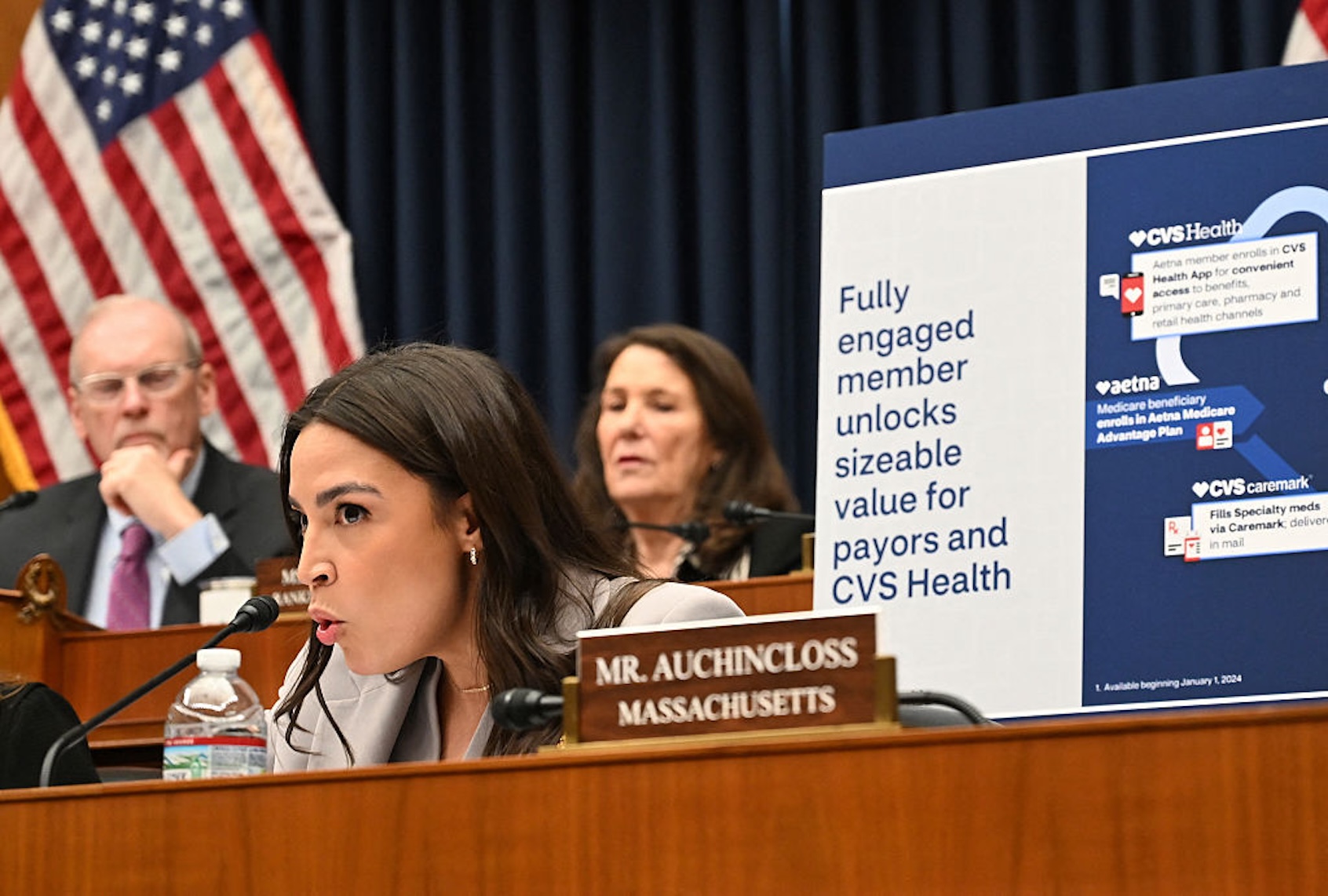
- Democrats’ healthcare affordability agenda is presented as a central factor in midterm strategy.
- The agenda is expected to lower healthcare prices for consumers.
- The reporting connects improved healthcare affordability to stronger electoral prospects.
- Sources suggest Senate races could become more competitive as a result.
- The outlets frame the relationship as potential impact rather than guaranteed outcomes.
The party's healthcare affordability agenda could lower prices and put the Senate in play
4 hours agoThe party's healthcare affordability agenda could lower prices and put the Senate in play
12 hours ago
Court issues warrant after PFIPC fraud suspect Adeniyi Adeyemi fails to appear in court
Prince Adeniyi Adeyemi, who styles himself as Director-General of the Presidential Foreign Investment Promotion Council...

Advocates urge higher sin taxes to curb youth alcohol, sugary drinks and tobacco use
Health advocates and lawmakers in the Philippines call on President Ferdinand Marcos Jr. to increase “sin taxes,” or exc...
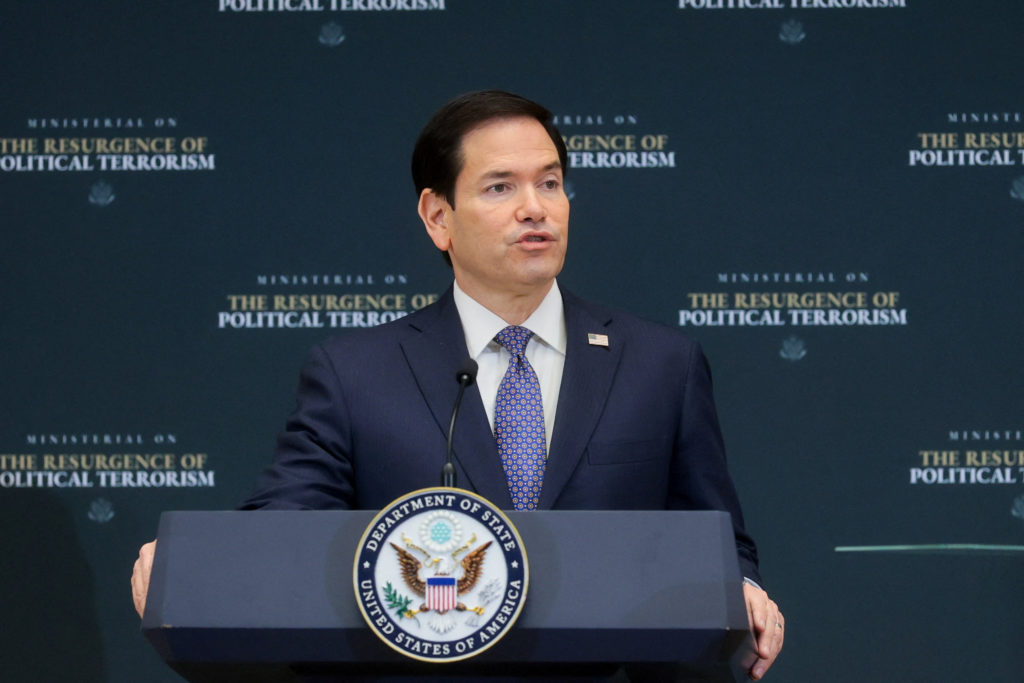
Rubio convenes more than 60 countries for summit on alleged far-left political terrorism
Secretary of State Marco Rubio holds an international summit in Washington to coordinate efforts against what the Trump...