
Multiple outlets discuss calls within the conservative legal movement to raise standards for future Republican Supreme Court nominees, particularly in the aftermath of recent litigation surrounding the concept of birthplace citizenship. One argument is that, in what some describe as a “post–judicial filibuster” environment, simply demonstrating intellectual commitment to textualism is not viewed as sufficient. The commentary focuses on how nominee evaluation and related advocacy may need to evolve, emphasizing broader considerations beyond method alone. While the sources do not present new policy details or legal outcomes beyond referencing the birthplace citizenship case, they frame the issue as a shift in expectations for the kinds of legal reasoning and preparation nominees should bring to confirmation processes and potential future cases. Overall, the articles characterize an internal debate within conservative legal circles about how to adapt to a changing judicial confirmation landscape and to ensure nominees are prepared for high-stakes constitutional questions tied to citizenship and related matters.
Conservative Legal Movement Urges Higher Standards for Supreme Court Nominees
Multiple outlets discuss calls within the conservative legal movement to raise standards for future Republican Supreme Court nominees, particularly in the aftermath of recent litigation surrounding th...
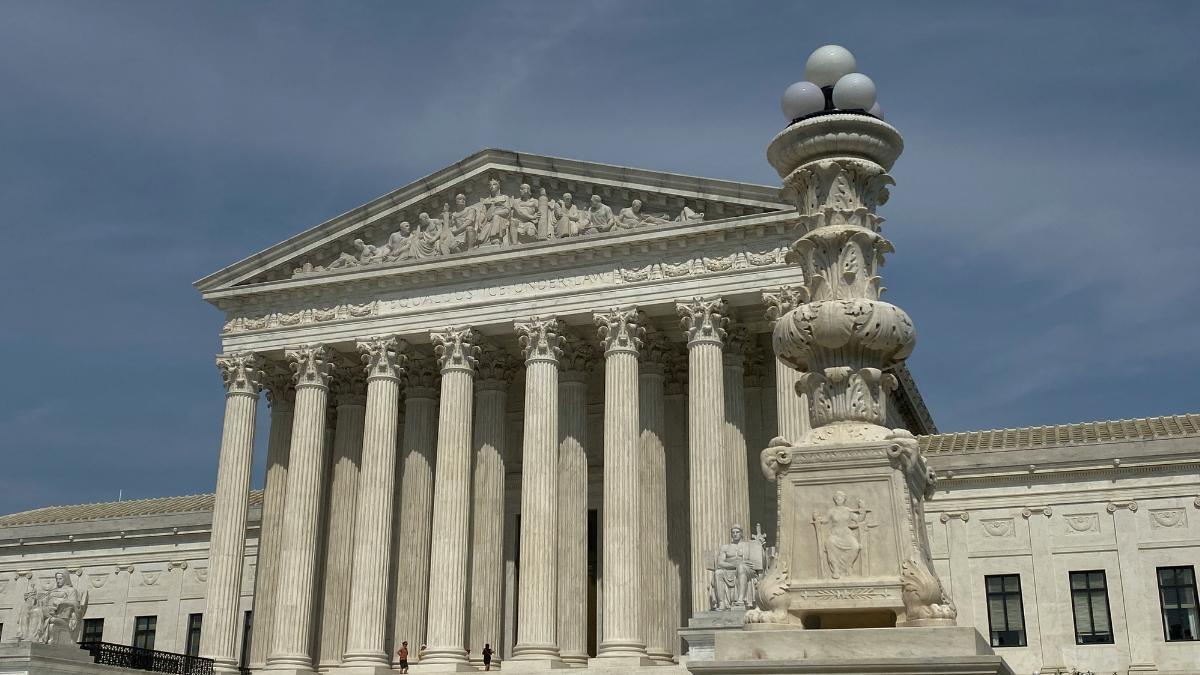
- Commentary centers on a recent birthplace citizenship case involving the judicial process.
- Contributors argue that adherence to textualism alone is not sufficient for Republican Supreme Court nominees.
- The discussion frames the issue as reflecting changes in the post–judicial filibuster confirmation environment.
- The sources call for raising expectations or standards within the conservative legal movement.
- No specific new nominee, ruling details, or legislative proposals are introduced in the cited material.
In the post-judicial-filibuster world, intellectual adherence to textualism is no longer sufficient for Republican Supreme Court nominees.
3 hours agoIn the post-judicial-filibuster world, intellectual adherence to textualism, in and of itself, is no longer sufficient for Republican Supreme Court nominees.
10 hours ago
ADC mourns Rotimi Amaechi’s mother, Mary Amaechi
The African Democratic Congress (ADC) issues condolences to its vice-presidential candidate, Rotimi Amaechi, following t...
Trump suspends teleprompter operator over alleged prediction-market bets on speeches
US President Donald Trump suspends a teleprompter operator following allegations that the operator bet on the likely con...

Trump reiterates vandalism claims as Lincoln Memorial Reflecting Pool undergoes repairs
President Donald Trump continues to assert that the Lincoln Memorial Reflecting Pool was vandalized, after the newly ren...